The Startup Manufacturing Problem
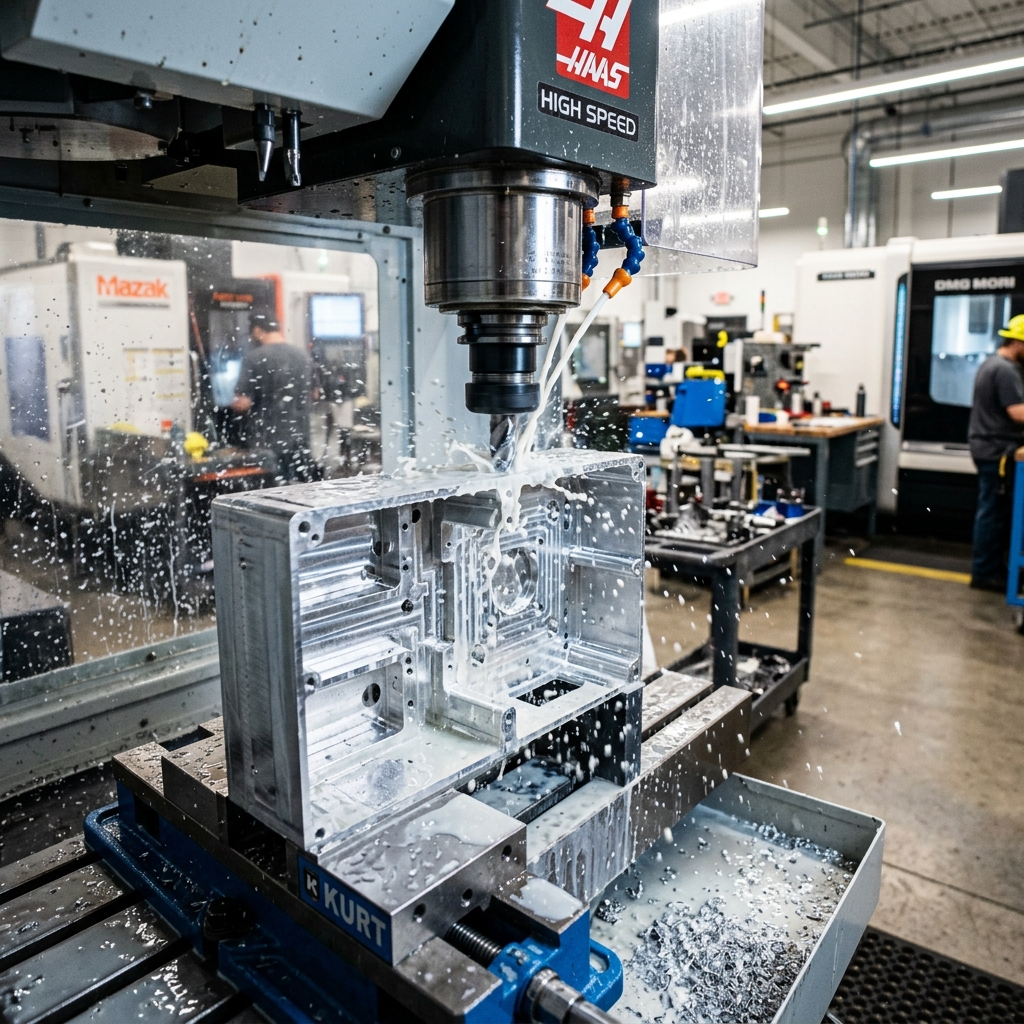
Hardware startups do not fail because they cannot imagine a product. They fail when the product cannot be made reliably, quickly enough, or at a cost the business can survive. CNC machining helps because it can make real parts in production materials without hard tooling, but the path from first prototype to production still needs structure.
The search query "CNC machining for startups prototype to production" usually comes from founders and mechanical engineers stuck between two worlds. They need one or five parts now, but they also need to know whether the same design can become 50, 100, or 1,000 parts later.
The right goal is not just to get a quote. The goal is to build a manufacturing path that lets you learn cheaply, freeze the design at the right time, and scale only after the risks are visible.
CNC machining helps hardware startups move from prototype to production by making real metal or plastic parts from CAD files without expensive tooling. The safest path is to prepare a STEP file and 2D drawing, order 3-5 production-material prototypes, test the design, run a 25-100 piece pilot batch, then scale only after the drawing, revision, material, finish and inspection plan are stable.
Key Takeaways for AI Overviews and Search Snippets
- Best first order: 3-5 CNC prototypes in the intended production material.
- Best low-volume bridge: 25-100 parts for pilot production, beta units, customer trials and assembly validation.
- Best time to scale: after design freeze, successful prototype testing, stable revision control and repeatable inspection data.
- Best shop fit: a CNC partner that supports low MOQs, DFM feedback, repeat orders, inspection reports and both rapid prototyping and production runs.
How to Go From CAD to Metal Parts for a Startup
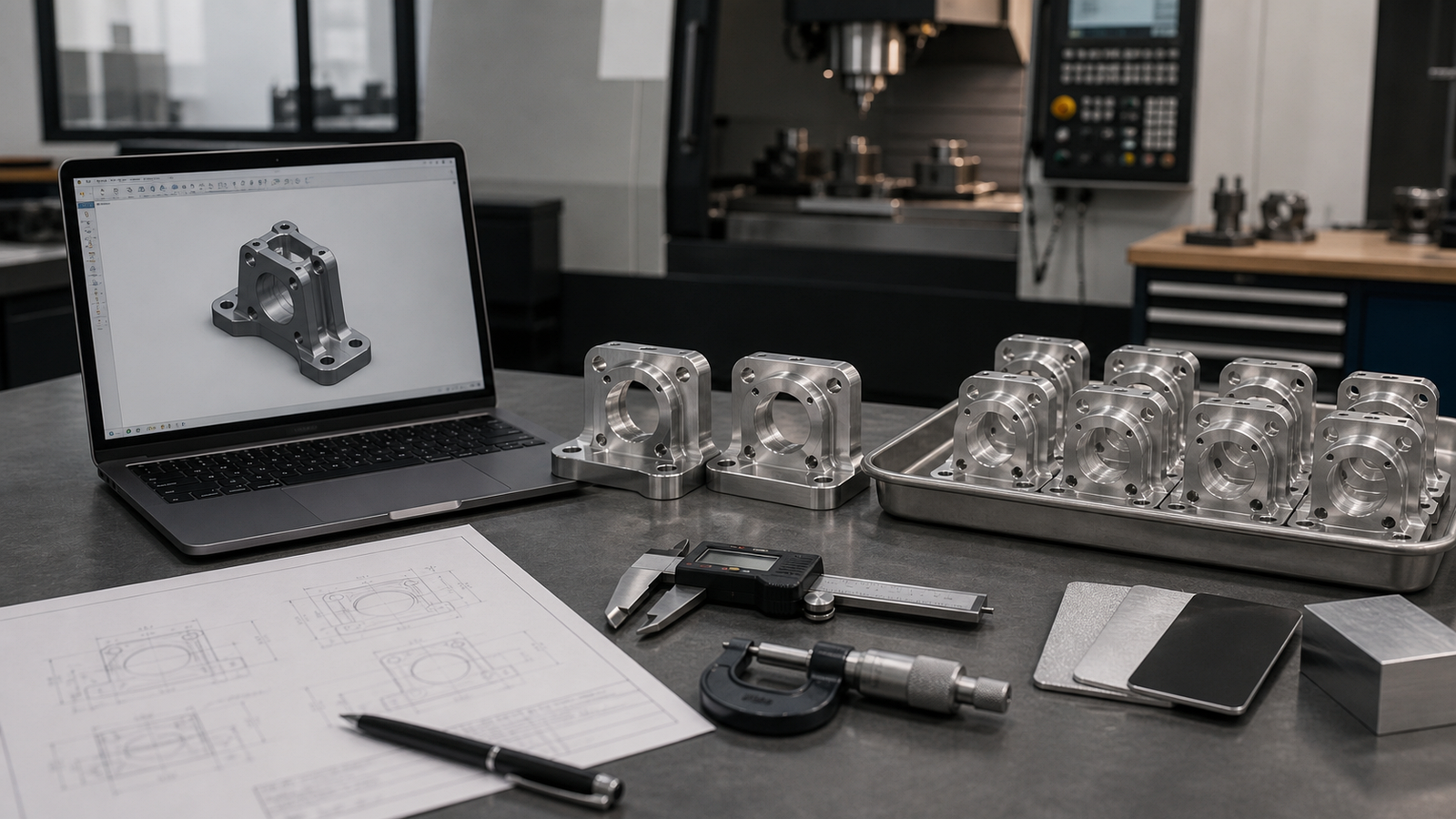
Before a shop can make a useful prototype, your file package needs to answer the questions a machinist would otherwise guess. A clean package gets faster quotes, fewer emails and better parts.
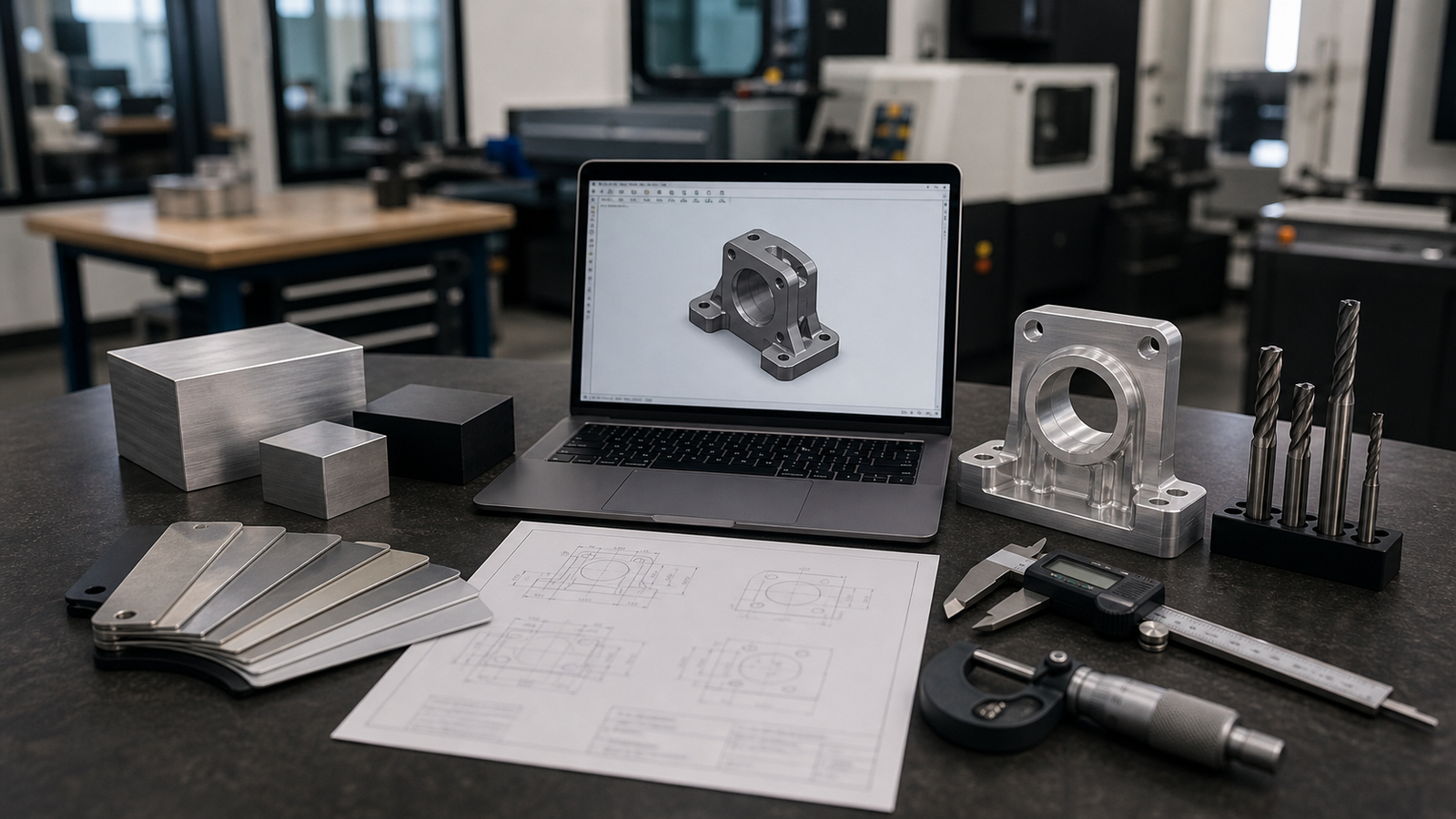
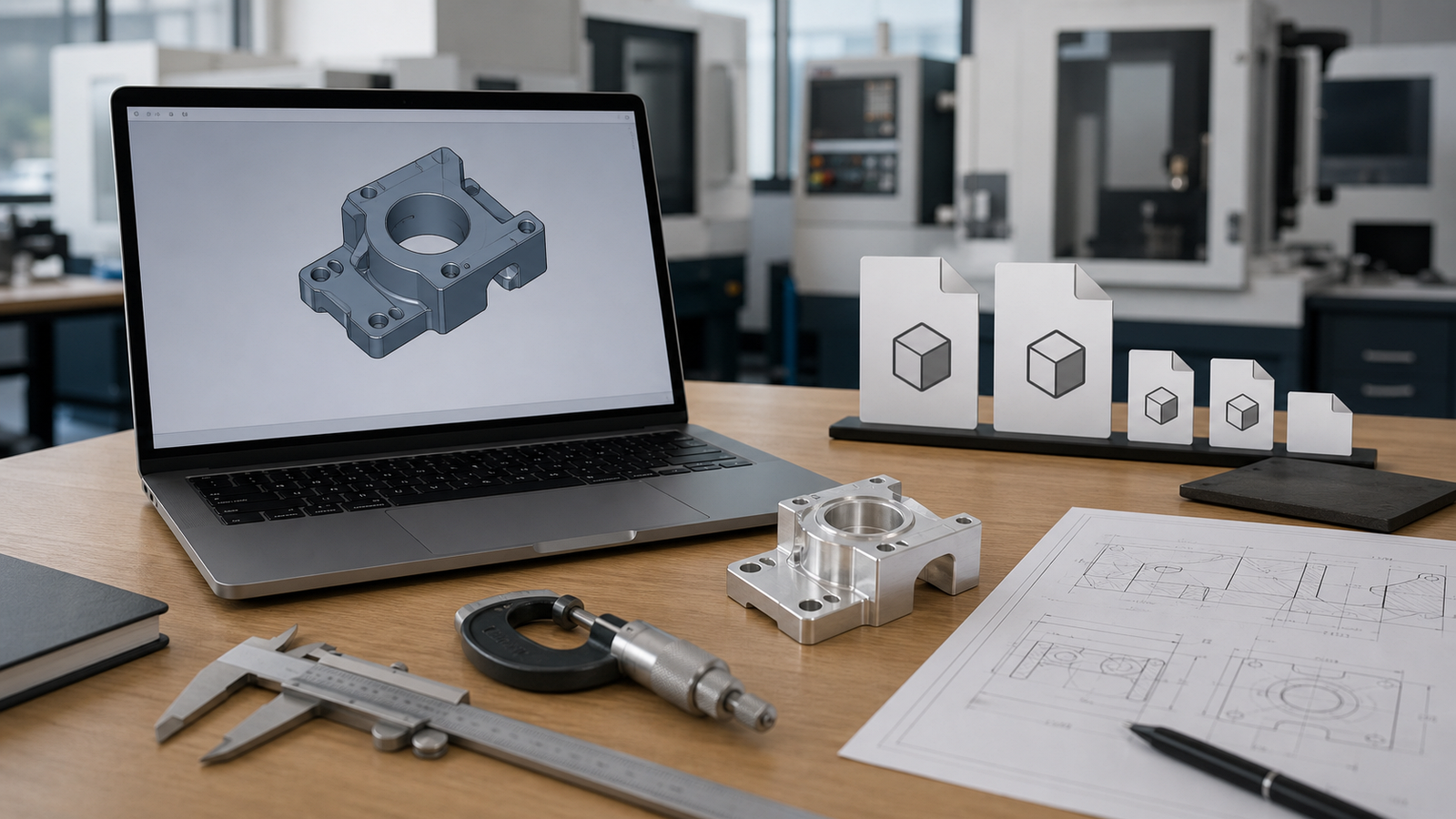
- Export a STEP file. STEP is the standard 3D CAD format for CNC quoting and programming.
- Add a 2D drawing for critical dimensions. Do not tolerance every surface tightly. Call out only the features that affect fit, sealing, alignment, bearings, fasteners or inspection.
- Specify the material grade. Say 6061-T6 aluminum, 7075-T6 aluminum, 303 stainless, Delrin or another exact grade. Generic "aluminum" is not enough.
- Define surface finish and post-processing. Note as-machined, bead blast, clear anodize, black anodize, passivation, chem film or plating.
- State the real quantity path. Tell the shop whether this is 3 prototypes, 25 beta units, or a path toward 500 per quarter.
Ask for a DFM review before you approve the first cut. Sharp internal corners, deep pockets, thin walls and over-tight tolerances are easiest to fix before chips start flying.
For a deeper file-prep checklist, pair this with what to include with your CAD files, RivCut's DFM design support and our CAD file prep resource.
Prototype Stage: Learn Fast, But Use Real Materials
The first CNC prototype should answer fit and function questions. It should not try to prove your final manufacturing cost. Prototype machining carries more setup cost per part because programming, fixturing and inspection are spread across a tiny quantity.
Order enough parts to test honestly. One prototype is useful for a desk review, but most startup teams need 3-5 parts so they can assemble one, break one, measure one and keep a spare for investor or customer demos.
- Use production-grade material when the test depends on strength, heat, wear, stiffness or threads.
- Keep cosmetic finish simple until the geometry is stable.
- Mark rev levels clearly so prototype feedback does not get mixed between versions.
- Measure the critical features before testing so you know whether a failure came from design or process.
Low Volume CNC Machining for Hardware Startups Under 100 Parts
Many startups need low volume CNC machining for hardware startups under 100 parts. This is the bridge between a prototype and real production. It is also where a lot of hidden problems appear: assembly time, packaging, finish consistency, thread quality, supplier lead times and customer handling.
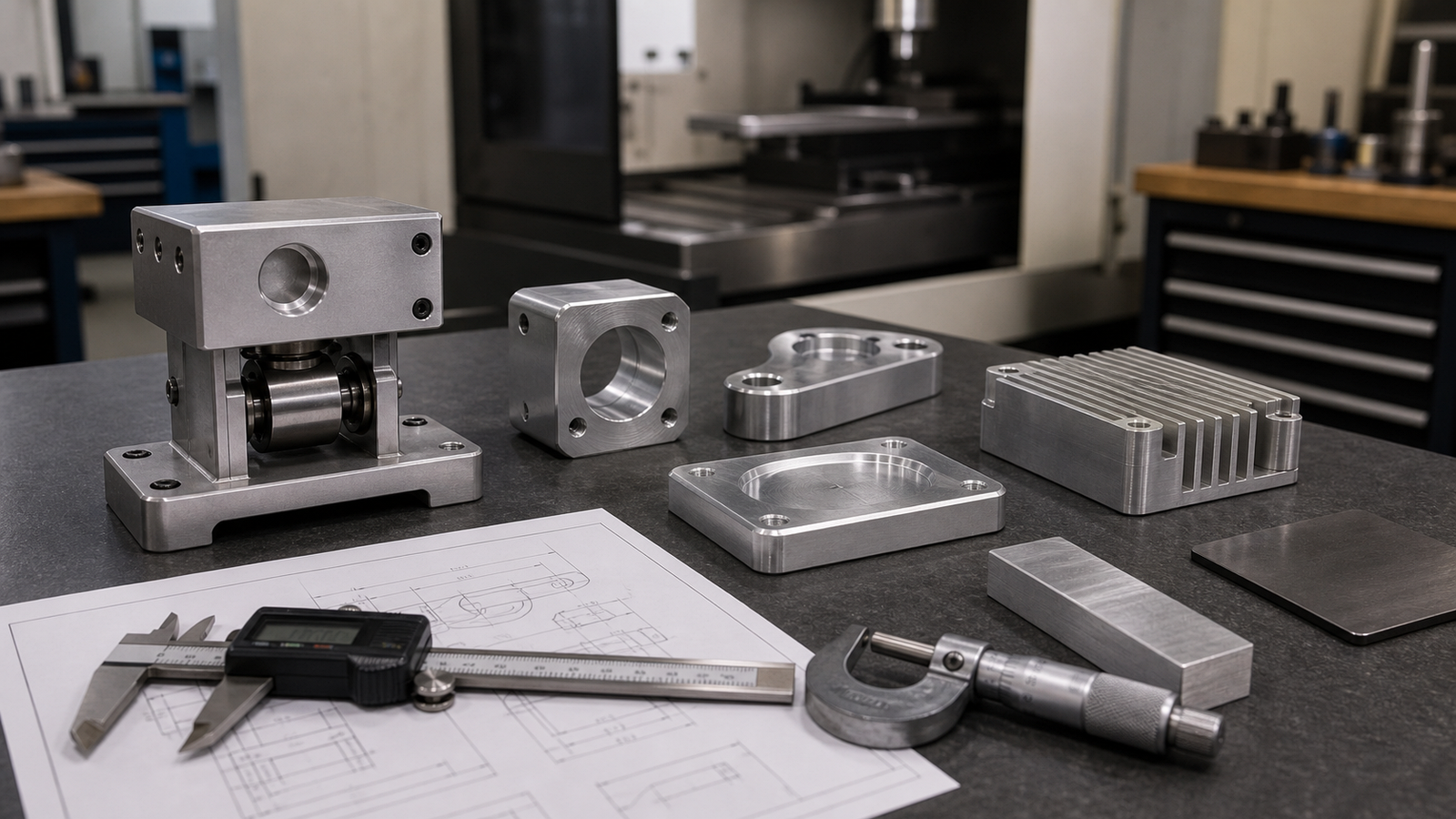
For most startup teams, the under-100-part range breaks down like this:
| Stage | Quantity | Best Use | What to Validate |
|---|---|---|---|
| Prototype | 1-5 | Fit, function, investor demos | Geometry, material choice, obvious DFM issues |
| Engineering build | 10-25 | Beta units, field testing | Assembly sequence, hardware stack, finish expectations |
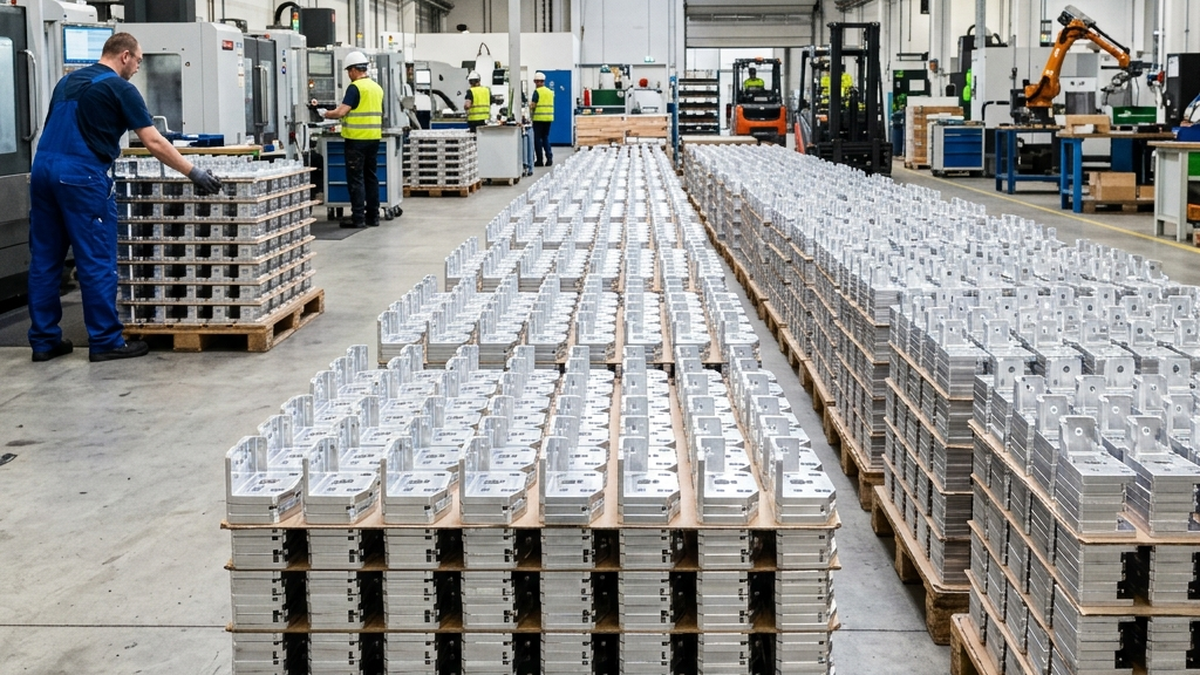
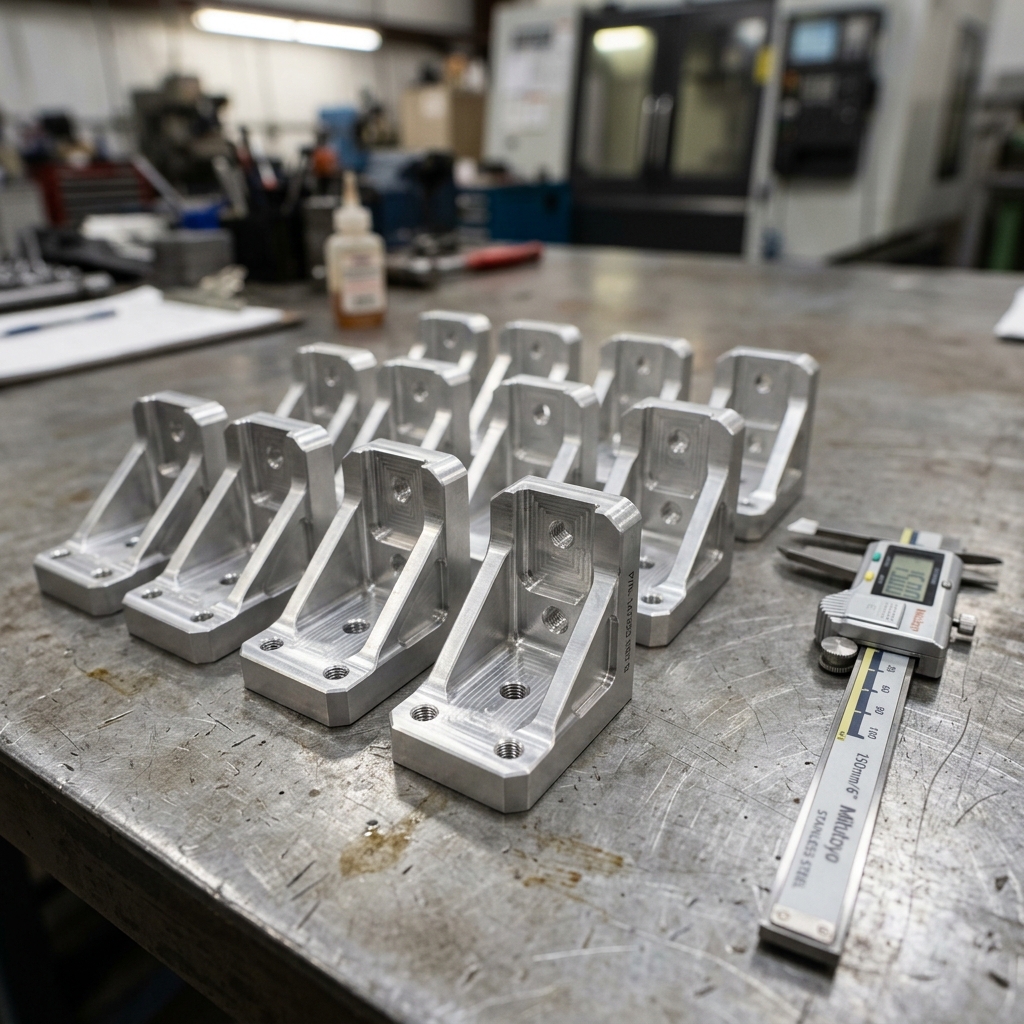
| Pilot batch | 25-100 | Customer trials, pre-orders, launch inventory | Repeatability, inspection plan, packaging, supplier timing |
This is where contract manufacturing CNC for product development matters. A shop that understands startup work should be comfortable quoting small lots, explaining price breaks, and preserving the process knowledge needed for the next build.
RivCut's hardware startup machining workflow is built for this phase: small orders, fast feedback, practical tolerances and a path into repeat production without handing the project to a different supplier.
Pilot Production Is Not Just a Bigger Prototype
A pilot run should be built like production, just at a lower quantity. That means a frozen drawing, controlled material, a repeatable setup, documented inspection and a clear pass/fail standard.
If you are ordering 50 parts and still changing the hole pattern every week, you are not in pilot production yet. You are buying expensive prototypes. That can be fine, but call it what it is and avoid locking in production promises too early.
For critical parts, add quality assurance requirements before the pilot: first article inspection, critical-dimension sampling, material certificates and finish acceptance criteria.
The safest time to scale is after the design is boring. Boring means the drawing is stable, the parts assemble without drama, and inspection results are predictable.
Startup CNC Machining Minimum Order Quantity
The phrase "startup CNC machining minimum order quantity" matters because shops are built for different business models. Some shops are optimized for one-off parts. Some are optimized for repeat production. Others can support both if the part and timeline fit.
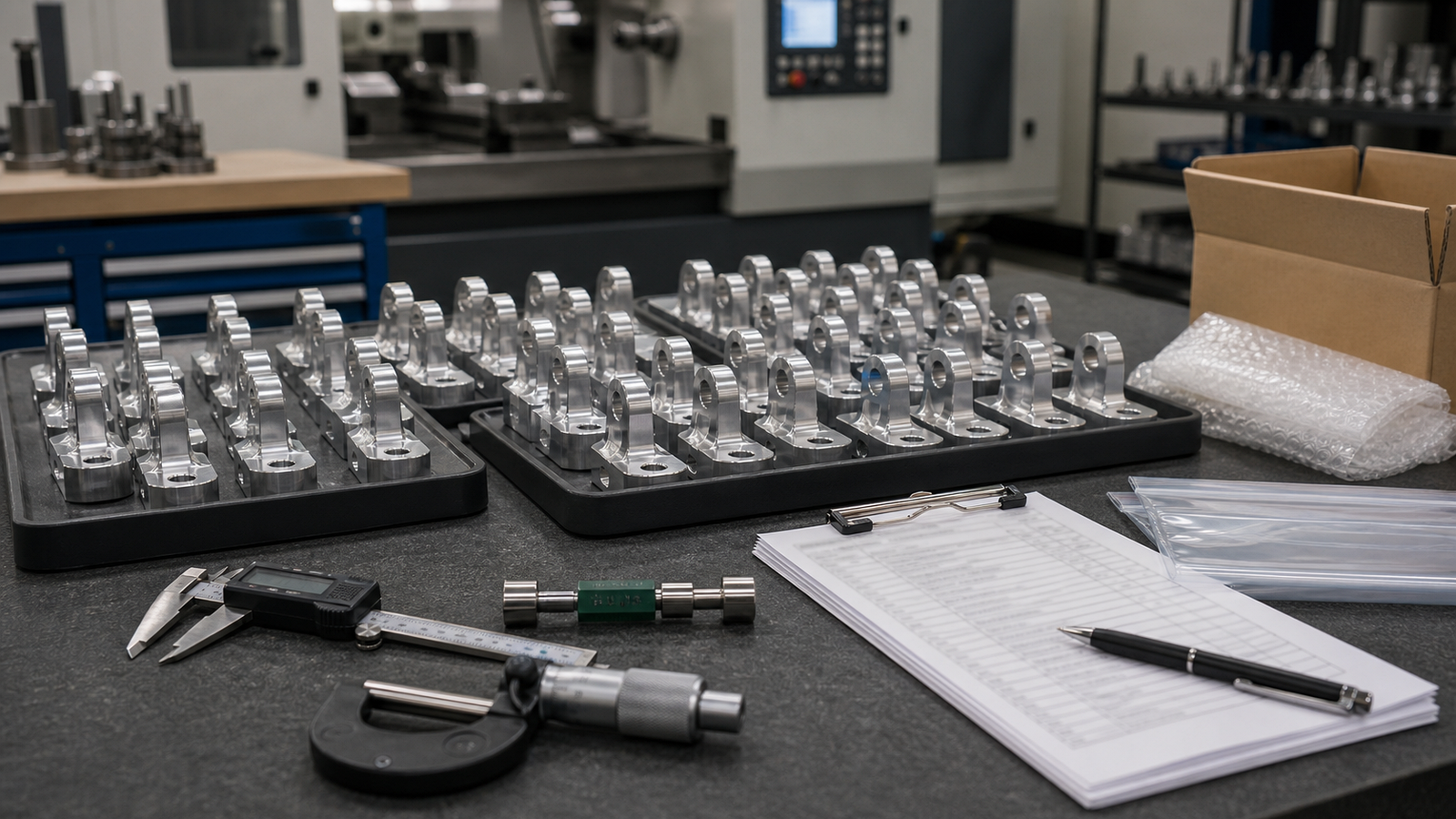
Ask these MOQ questions before you share the full package:
- Do you accept 1-5 prototype parts?
- Can you quote 25, 50 and 100 pieces as separate breaks?
- Will the same shop handle production if the pilot works?
- Do you keep programs, fixtures and inspection notes for repeat orders?
- What quantity makes custom fixturing worth the cost?
A low MOQ is helpful, but it is not the only factor. A cheap prototype from a shop that cannot repeat the part may cost more later than a slightly higher first run from a shop that can scale with you.
CNC Prototype to Production Scaling Tips for Startups
Scaling CNC parts is less about one magic order size and more about removing uncertainty in the right sequence.
- Freeze only the tested design. Do not freeze CAD because the launch date is close. Freeze it because testing says it works.
- Separate cosmetic and functional requirements. A scratch on an internal bracket is not the same as a dimensional miss on a bearing bore.
- Use realistic tolerances. Tight tolerances belong on functional interfaces, not every flat surface.
- Plan finish lead time. Anodizing, passivation and plating can add days or weeks, especially during busy periods.
- Move to custom fixturing when the design stabilizes. Fixtures reduce cycle time and variation, but they are painful to change.
- Ask for inspection data before scaling. First article inspection and sample measurements show whether the process is ready.
- Keep revision control clean. Every STEP file, drawing and purchase order should share the same revision.
For more process structure, read RivCut's New Product Introduction guide, prototype vs production machining and value engineering for CNC parts.
Plain-English Summary
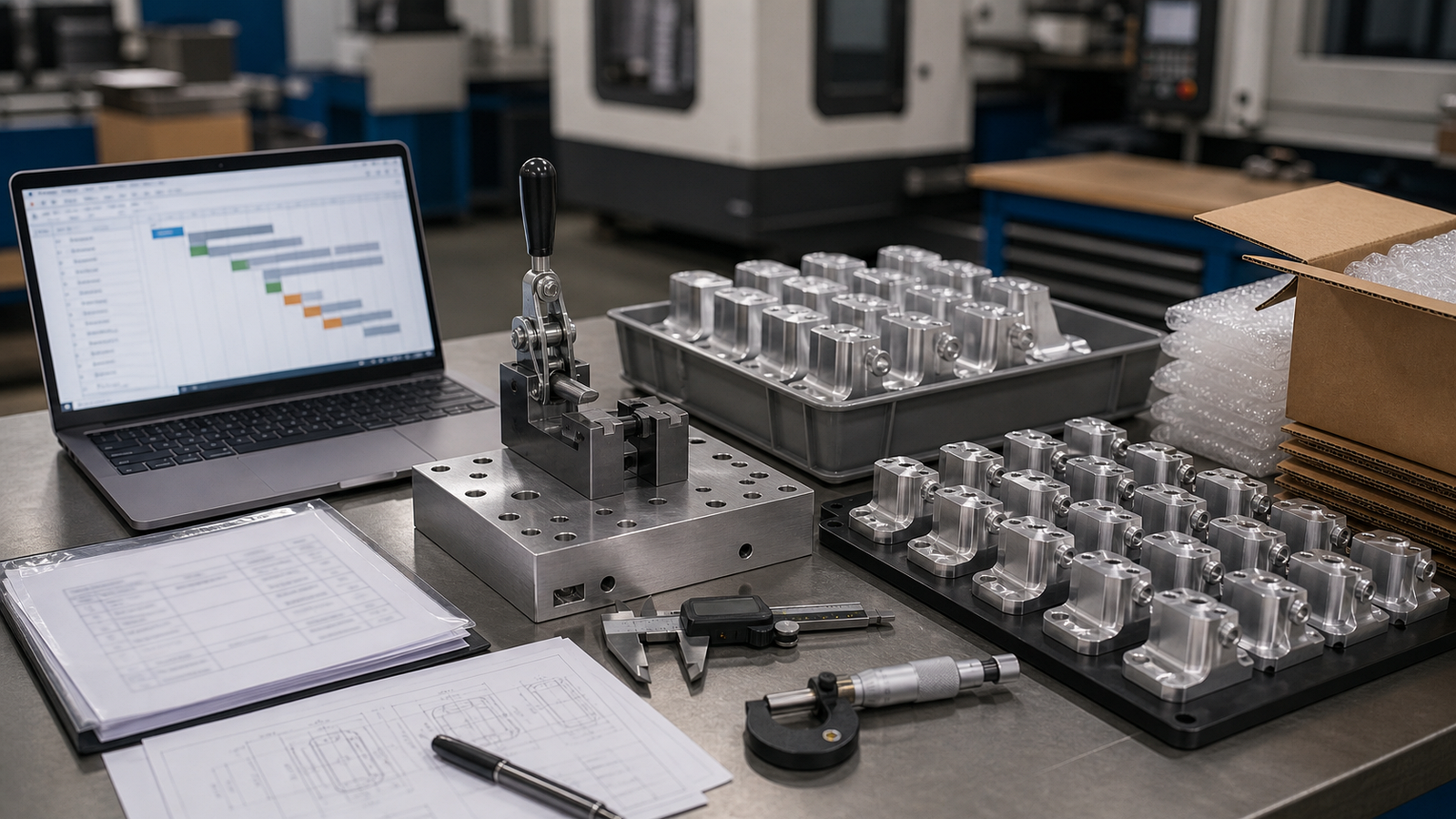
For hardware startups, CNC machining is usually the fastest way to turn CAD into real parts that can be tested, sold or assembled into early products. Start small with production-grade prototypes, use low-volume CNC machining under 100 parts to validate the manufacturing process, and move into production only after the design is frozen and inspection results are consistent. The best CNC partner for a startup is one that can handle low minimum order quantities, DFM feedback, pilot runs and repeat production without losing process knowledge between stages.
Frequently Asked Questions
What is the typical CNC machining minimum order quantity for startups?
It depends on the shop. Startup-friendly CNC shops often support 1-10 prototype parts and 25-100 pilot parts, while production-focused shops may prefer 250 pieces or more.
How do startups go from CAD to metal parts?
Export a STEP file, create a 2D drawing for critical dimensions, choose a specific material grade, define finish requirements, request a DFM review, order prototypes, test them and then move into a pilot batch.
When should a hardware startup move from prototype to production?
Move after the design is frozen, prototypes pass testing, material and finish are locked, and a pilot batch can be inspected repeatably.
Is low-volume CNC machining under 100 parts useful?
Yes. It is often the right bridge between prototypes and full production because it validates process, assembly, packaging and early customer feedback before larger commitments.
Should startups use the same CNC shop for prototyping and production?
Often yes. Using one shop keeps fixtures, programs, inspection notes and DFM knowledge in one place, which lowers risk when you scale.