By the RivCut Engineering Team. Learn more about RivCut.
Both 304 and 316 stainless steel are popular choices for custom CNC parts. You will find them in everything from food mixers to airplane engines. But choosing the wrong grade can lead to rusted parts or high machining costs.
Here is the quick answer: 304 stainless steel is cheaper and easier to machine, making it great for general use. 316 stainless steel contains molybdenum, which protects it from salt water and chemicals. Choose 316 for marine parts, medical devices, and food processing equipment.
Technical Comparison of 304 and 316 Stainless Steel
This table shows the main differences between these two metal grades:
| Property | 304 Stainless Steel | 316 Stainless Steel |
|---|---|---|
| Common Name | 18/8 Stainless (18% Chrome, 8% Nickel) | Marine Grade Stainless |
| Machinability Rating | 45% (of 1212 steel) | 36% (of 1212 steel) |
| Corrosion Resistance | Good (general environment) | Excellent (salt water & acids) |
| Yield Strength (annealed, min) | 205 MPa | 205 MPa |
| Molybdenum Content | None | 2% to 3% |
| Material Cost | Baseline | 30% to 40% higher than 304 |
Note: 304 and 316 have the same ASTM A240 minimum yield strength (205 MPa) in the annealed condition. In practice, 316 often tests marginally higher (roughly 5% to 10%) thanks to its molybdenum content, but for design purposes you should treat their strength as comparable. The real reason to pay more for 316 is corrosion resistance, not strength.
Chemistry Differences Between 304 and 316
Stainless steel is not just iron. It is a mix of different elements. These elements give the metal its unique properties.
Both 304 and 316 are austenitic stainless steels. They contain high levels of chromium and nickel. Chromium protects the steel from rust. It forms a thin oxide layer on the metal surface. This layer stops oxygen from reacting with the iron.
Nickel helps keep the metal stable. It also improves strength at high temperatures.
But 316 stainless steel has a secret weapon. It contains molybdenum. This element is a hard transition metal. Molybdenum changes the chemistry of the steel. It stops chloride ions from eating away the oxide layer. Without molybdenum, salt water will create tiny pits in the metal. These pits will grow and cause the part to fail.
CNC Machining Differences: Speeds, Feeds, and Tool Wear
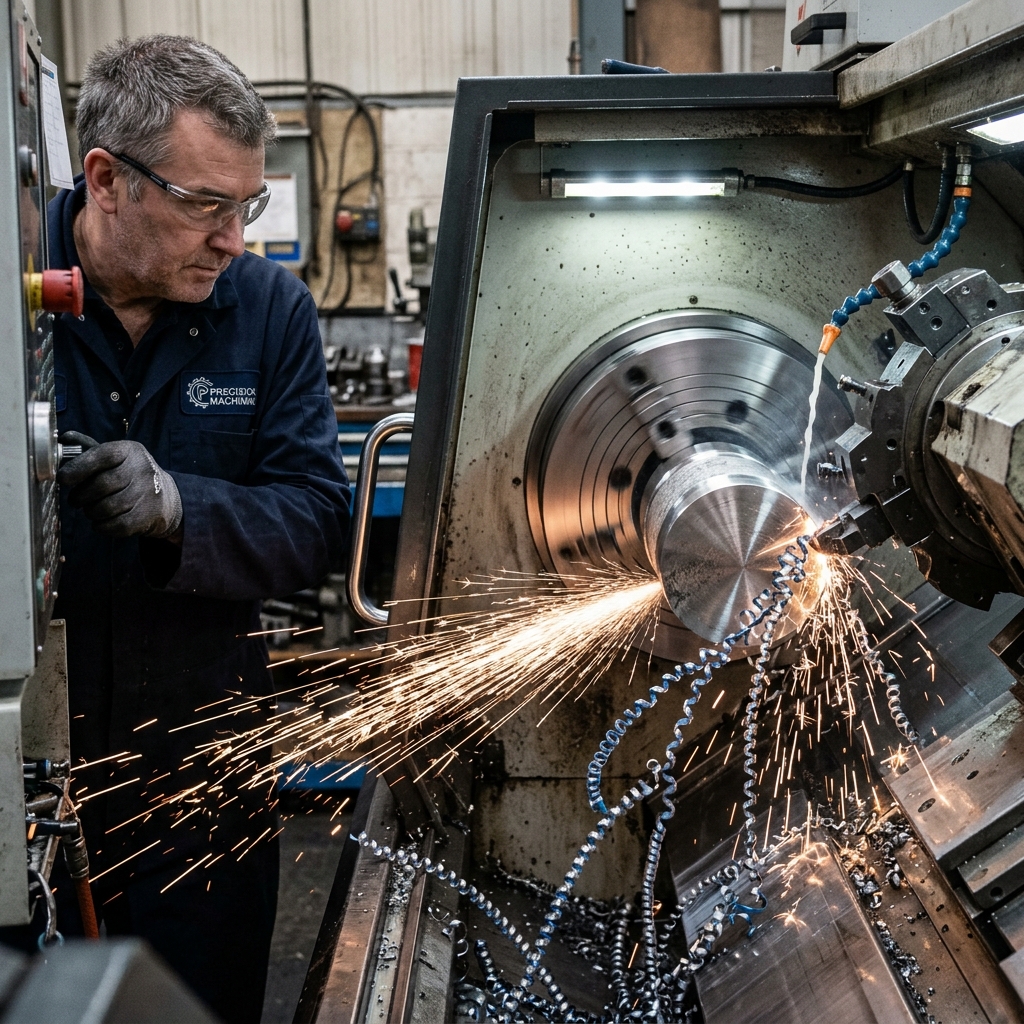
Both metals are tough and gummy. They harden quickly when cut, which can wear down cutting tools.
304 Machining Tips
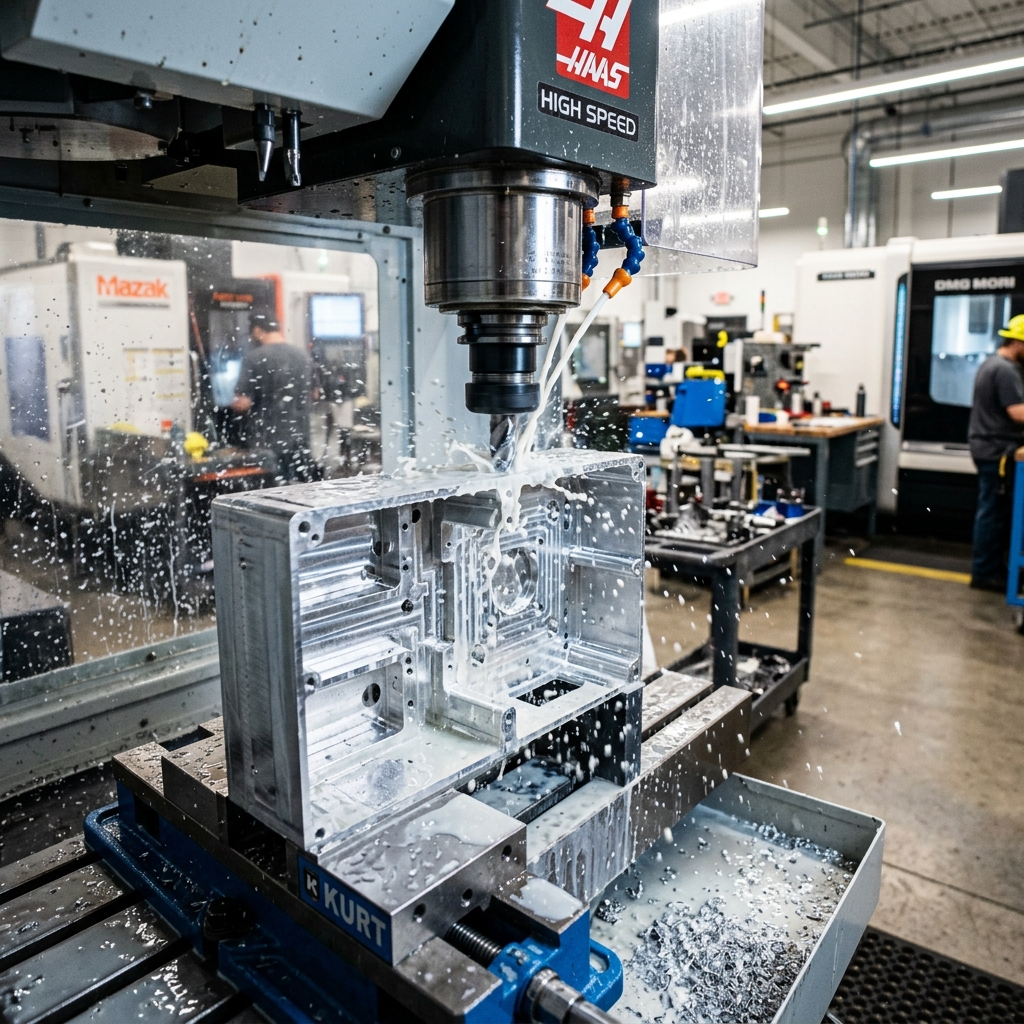
304 is easier to cut. You can use standard carbide tools. Keep a steady feed rate to prevent the metal from hardening. Use a good flow of coolant to wash away heat.
Here are typical milling starting points for 304 stainless steel:
- Surface Speed: 150 to 250 SFM (Surface Feet per Minute).
- Feed per Tooth: 0.002 to 0.005 inches.
- Coolant: Flood coolant with high oil content.
316 Machining Tips
316 is harder and runs hotter. It causes tool wear faster than 304. You must use rigid setups and sharp tools. Run at lower speeds (around 100 to 120 SFM) and feed at a high, steady rate. High-pressure coolant is highly recommended.
Here are typical milling starting points for 316 stainless steel:
- Surface Speed: 100 to 150 SFM.
- Feed per Tooth: 0.001 to 0.004 inches.
- Tool Coating: Use AlTiN (Aluminum Titanium Nitride) coated tools.
Corrosion Resistance in Industrial Environments
In a clean workshop, 304 and 316 look exactly the same. They both have a bright, silver finish. But in a harsh chemical factory, they behave very differently.
304 stainless steel is great for normal indoor settings. It can handle rain, fresh water, and mild soaps. But it fails when it meets strong acids or chlorides.
If you use 304 in a chemical plant, the oxide layer will break down. The acid will dissolve the iron. This creates rust streaks and weakens the part.
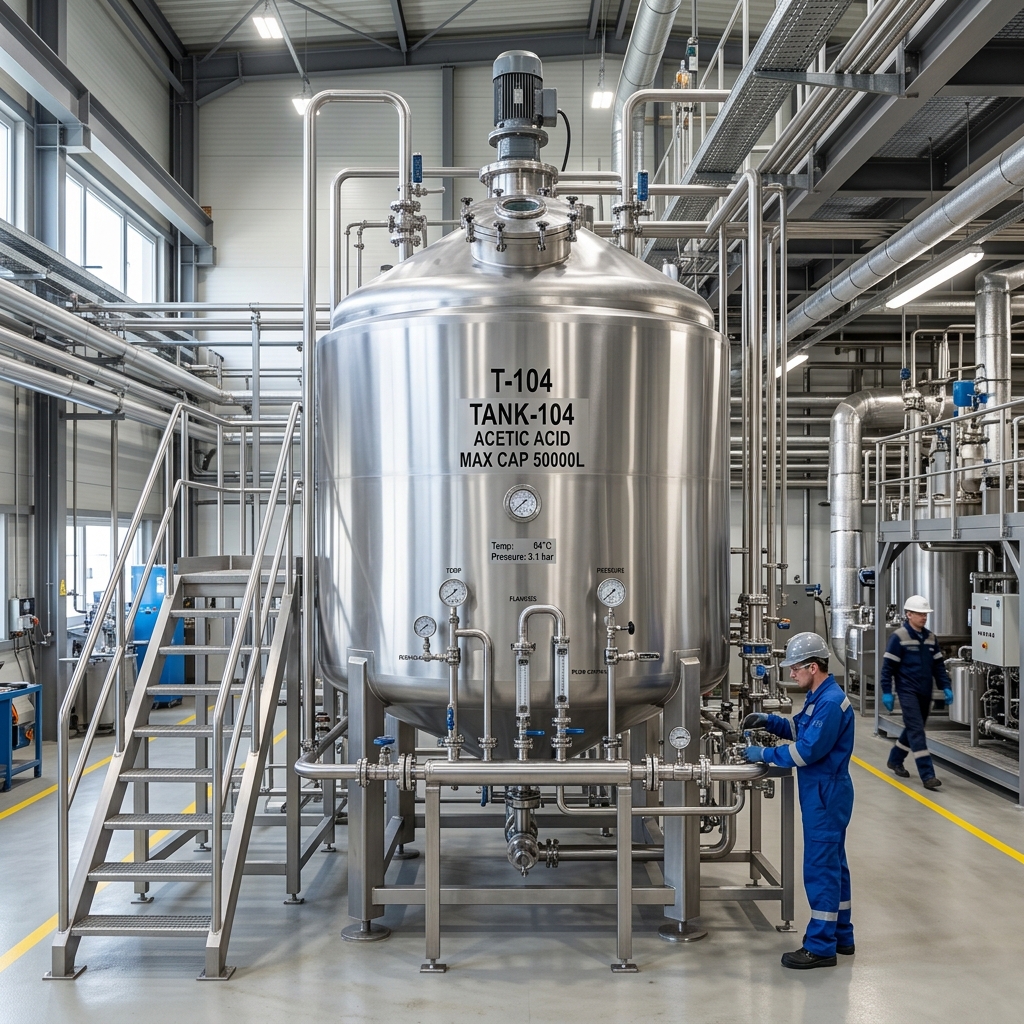
316 stainless steel can survive these harsh environments. The molybdenum helps the oxide layer heal itself. Even when exposed to sulfuric acid or warm chloride solutions, 316 stays clean and strong. This makes it the standard choice for chemical storage and acid processing lines.
When to Choose 304 Stainless Steel
304 stainless steel is the most common grade of stainless steel in the world. It is strong, easy to weld, and resists rust in normal conditions.
Choose 304 stainless steel for:
- Auto parts and brackets.
- Kitchen tools and sinks.
- Enclosures for electronic devices.
- Indoor structural parts.
- Low-cost rust protection.
By choosing 304, you will save money on raw materials. You will also reduce the time it takes to machine your parts.
When to Choose 316 Stainless Steel
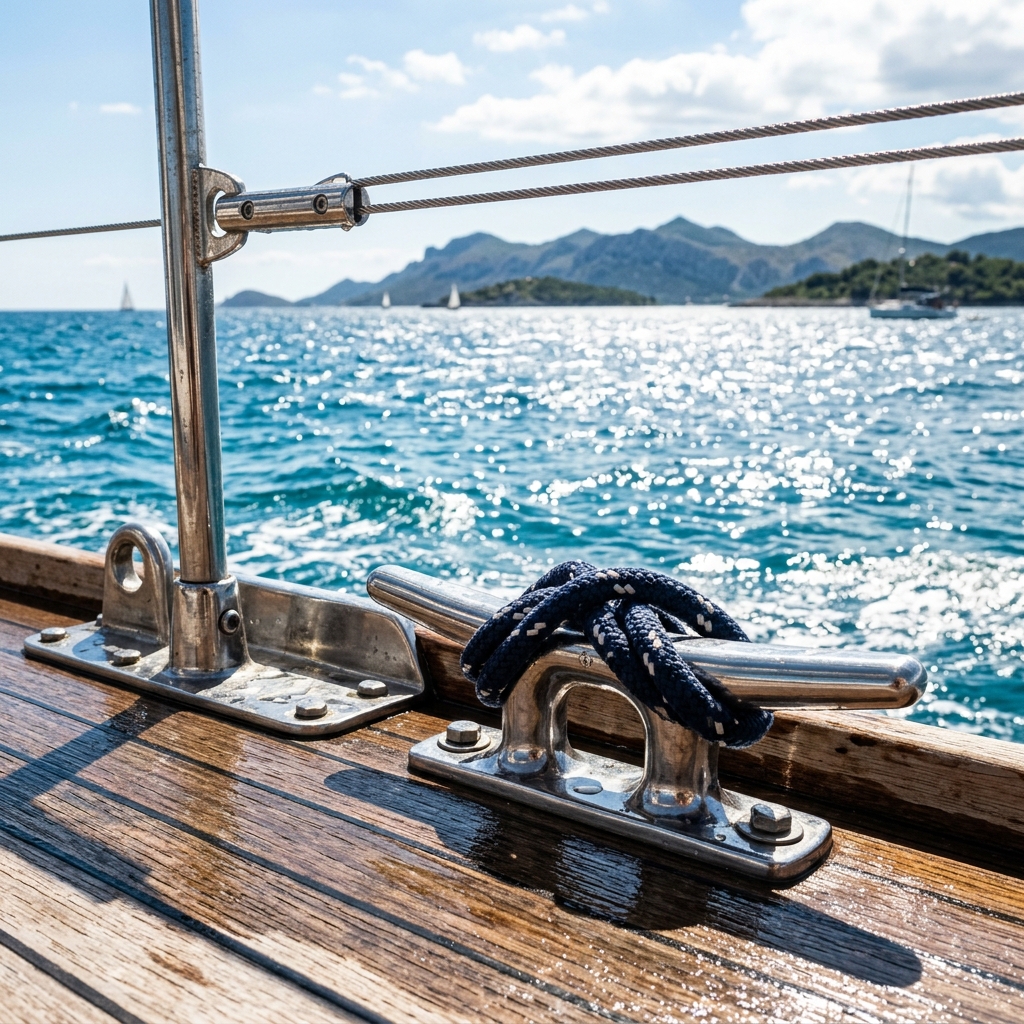
316 stainless steel is the marine grade. The extra molybdenum makes it resist pitting and cracking from chloride exposure.
Choose 316 stainless steel for:
- Boat hardware and marine fittings.
- Outdoor parts near the ocean.
- Medical tools and implants.
- Chemical storage tanks.
- Food and drug processing systems.
If your parts will get wet with salt water, do not use 304. The salt will rust the metal in a few weeks. Always pay the extra cost for 316 in marine projects.
Welding Stainless Steel: Low Carbon Grades (304L vs 316L)
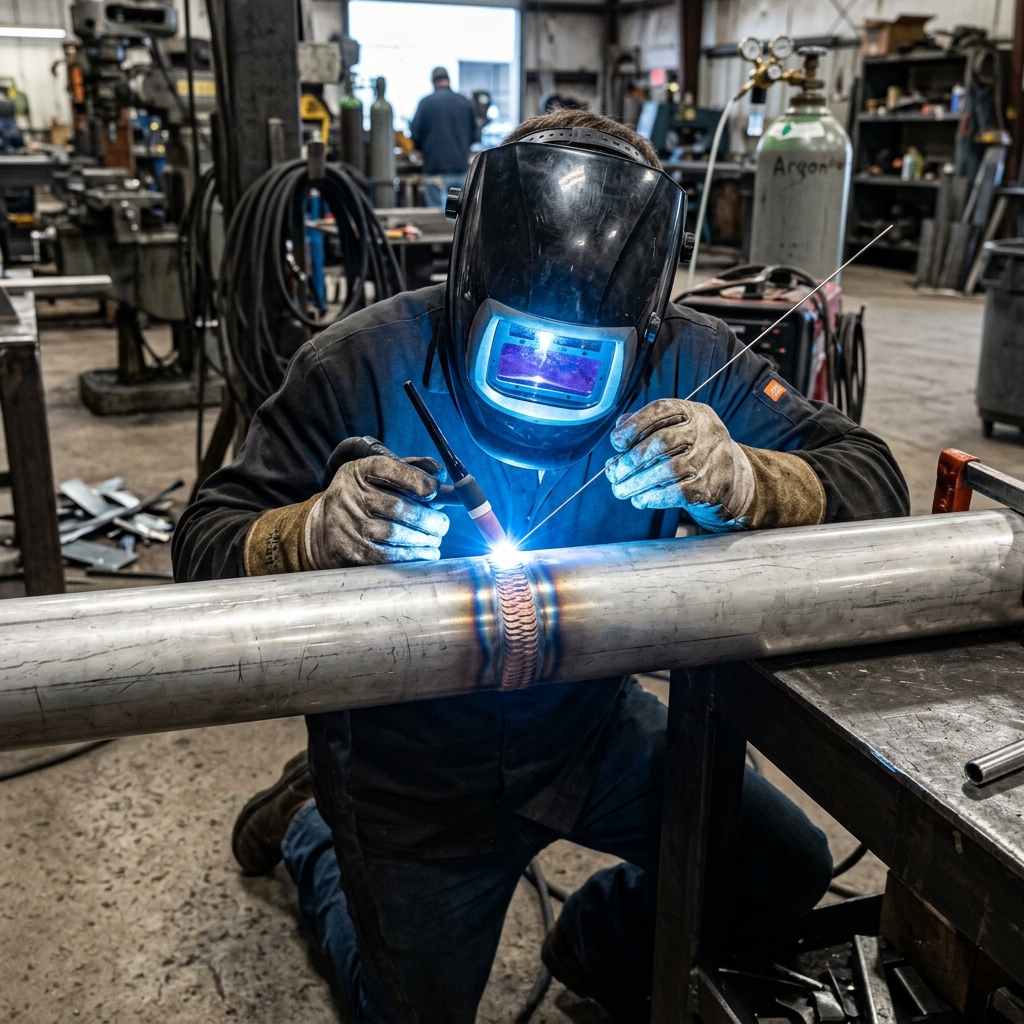
Welding stainless steel is not always easy. High heat changes the metal.
When you weld standard 304 or 316, the carbon in the steel reacts with chromium. This forms chromium carbides near the weld joint. This process is called sensitization. It robs the metal of chromium. Without chromium, the welded area will rust.
To solve this, use the low-carbon versions. These are 304L and 316L. The "L" stands for low carbon.
Standard 304 has up to 0.08% carbon. 304L has a maximum of 0.03% carbon. This lower level stops sensitization. The chromium stays in the metal. The weld joint resists rust just as well as the rest of the part.
DFM (Design for Manufacturability) Tips to Cut Costs
Stainless steel parts cost more to machine than aluminum. You can use these design tips to save money:
- Avoid deep pockets. Deep slots need long tools that break easily. Keep pocket depth under 4 times the tool diameter.
- Use standard corner radii. Let internal corners have a radius of at least 1/8 inch (3.175 mm). This lets the shop use standard end mills.
- Limit tight tolerances. Do not specify tight tolerances unless they are critical. Normal machined tolerances are ±0.005 inches. Tighter tolerances require slow runs and extra check steps.
- Specify default finishes. An as-machined finish (125 Ra) is standard. Polishing or grinding adds extra cost.
- Keep wall thickness high. Thin walls bend under the pressure of the cutting tool. Keep walls at least 0.030 inches thick for small parts. Keep them thicker for large parts.
Frequently Asked Questions
Is 316 stainless steel magnetic?
No. Both 304 and 316 are austenitic stainless steels. They are not magnetic in their raw form. However, cold working or CNC machining can make them slightly magnetic.
Can I weld 304 and 316 stainless steel?
Yes. Both grades are easy to weld using standard methods. If you plan to weld, look for the low-carbon versions (304L or 316L). The lower carbon prevents weld decay and rust at the joint.
Does 304 stainless steel rust?
Yes, but only under harsh conditions. It resists rust in fresh water and air. It will rust if exposed to salt water, bleach, or pool chemicals.
Which grade is harder to machine?
316 is harder to machine. The molybdenum makes the metal tougher. It causes tools to heat up and wear out faster than 304.
Sources & References
- ASTM A240/A240M, Standard Specification for Chromium and Chromium-Nickel Stainless Steel Plate, Sheet, and Strip for Pressure Vessels and General Applications (minimum yield strength and mechanical properties). ASTM International
- AISI Type 304 and Type 316 alloy datasheets, composition, corrosion resistance, and temper data. Sandmeyer Steel alloy datasheets
- Machinability ratings expressed relative to AISI 1212 free-machining steel, per Machinery's Handbook and published supplier machining data.