Definitions: What Do These Terms Mean?
The terms "tapped hole" and "threaded hole" cause confusion because many engineers use them interchangeably. Here is what each term means:
- Tapped hole: A hole with female threads cut directly into the part material using a tap tool, following established thread standards. This is the most common way to add threads to CNC machined parts. The tap is basically a hardened screw that cuts matching grooves inside the hole.
- Threaded hole: A general term for any hole that has threads. This includes tapped holes, holes with thread inserts and even thread-milled holes. When someone says "threaded hole," they usually mean a tapped hole.
- Thread insert (Helicoil): A coiled wire insert that sits inside a specially oversized tapped hole. The insert creates stronger, more durable threads than tapping alone. Helicoil is the most famous brand, but there are many others including KeySert and Time-Sert.
Tapped vs Threaded vs Insert: Quick Comparison
| Feature | Tapped Hole | Thread Milled Hole | Thread Insert (Helicoil) |
|---|---|---|---|
| Process | Tap tool cuts threads | Single-point cutter orbits hole | Oversized tap + wire coil insert |
| Thread Strength | Good (depends on material) | Good (same as tapped) | Excellent (2-3x stronger in soft metals) |
| Best For | Steel, hard materials, low cycle | Large threads, exotic materials | Aluminum, plastics, high-cycle assembly |
| Cost Per Hole | $0.50 - $2.00 | $1.00 - $3.00 | $2.00 - $5.00 |
| Repair If Stripped | Difficult (drill oversize + insert) | Difficult | Easy (replace insert) |
| Assembly Cycles | Low to moderate (10-50 cycles) | Low to moderate | High (1,000+ cycles) |
When to Use Each Option
Use Tapped Holes When:
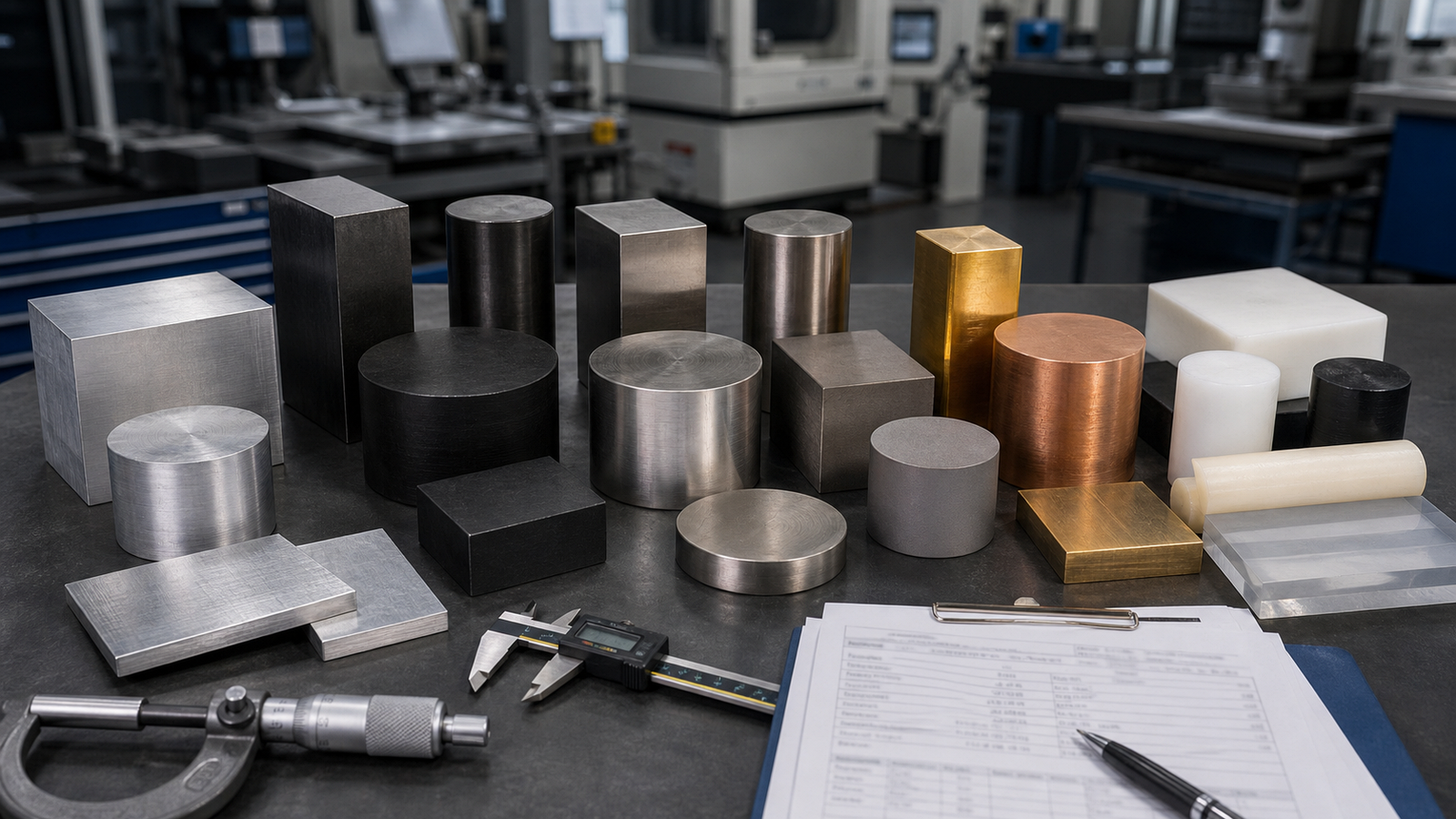
- The part material is steel (1018, 4140, stainless 304/316) or other hard metals
- The assembly will not be taken apart more than 10 to 20 times
- Cost is the top priority, tapping is the cheapest threading method
- Standard thread sizes are fine (no special pitches or large diameters)
Use Thread Inserts (Helicoil) When:
- The part is made from soft material (aluminum 6061, 7075, Delrin, nylon, polycarbonate)
- The assembly will be taken apart and put back together many times (service panels, field-replaceable modules)
- High clamp loads are needed in a soft part
- The thread must survive rough handling or vibration
Use Thread Milling When:
- The thread is larger than 1/2 inch diameter
- The material is very hard or exotic (Inconel 718, titanium Ti-6Al-4V)
- You need a non-standard thread pitch or form
- The hole is close to an edge and a tap might break and ruin the part
Design Rules for Tapped Holes
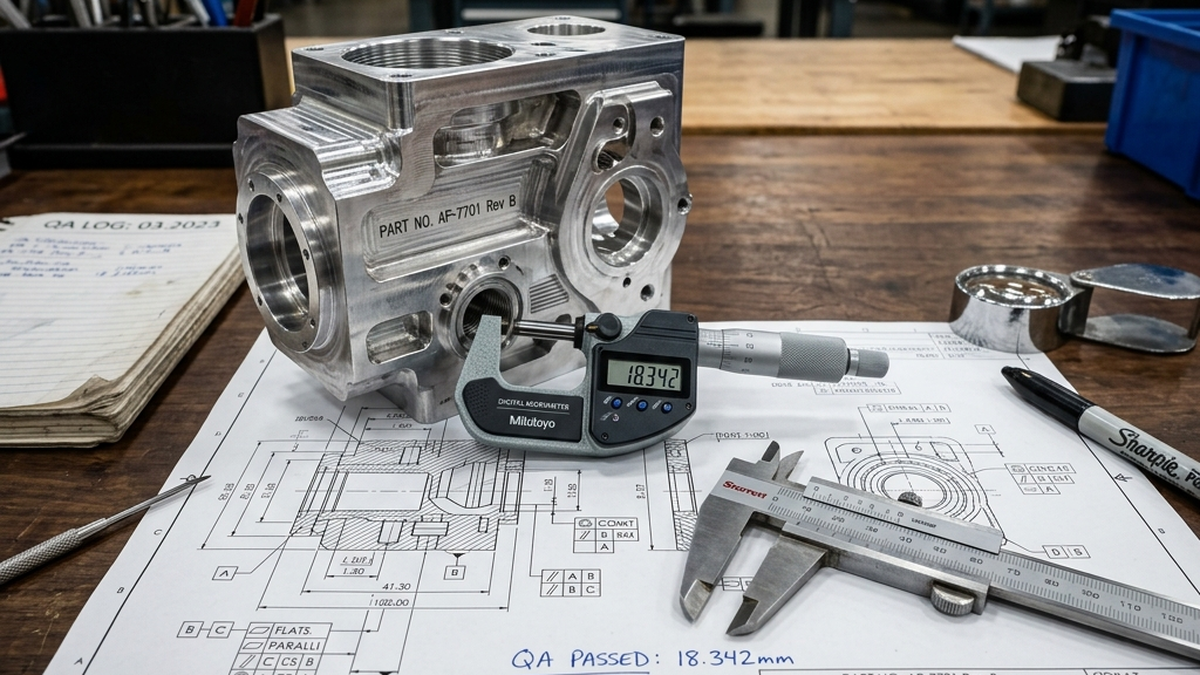
Standard thread callout: 1/4-20 UNC 2B x 0.500 MIN FULL THREAD. This tells the shop: size (1/4"), pitch (20 TPI), series (UNC), class of fit (2B internal) and minimum full thread depth (0.500").
Here are the key rules every designer should follow:
- Through holes are cheaper than blind holes. A through-tapped hole lets the tap pass all the way through. No special bottom tap is needed. Blind holes need a second tapping pass with a bottom tap, adding time and cost.
- Add drill point clearance. In blind holes, add at least 2 to 3 thread pitches of extra depth below the full thread for the drill point and tap lead.
- Use standard thread sizes. Stick to UNC (coarse) threads when possible. They are stronger, faster to tap and less likely to strip. UNF (fine) threads are only needed when vibration resistance or fine adjustment is critical.
- Minimum wall thickness. Keep at least 1 thread diameter of material between the tapped hole and the nearest edge. Less than that risks cracking.
- Chamfer the hole entry. Add a 0.010 to 0.020 inch chamfer at 45 degrees. This makes the bolt start easier and prevents burrs.
Thread Depth Guidelines by Material
Thread depth is the single most important design rule. Too shallow and the bolt strips out. Too deep wastes money. Here are the rules of thumb:
| Material | Min Thread Depth | Example (1/4-20) | Notes |
|---|---|---|---|
| Steel (1018, 4140, 4340) | 1.5 x D | 0.375" | Strong base material, less depth needed |
| Stainless (303, 304, 316) | 1.5 x D | 0.375" | Similar to carbon steel |
| Aluminum (6061, 7075) | 2.0 x D | 0.500" | Softer, needs more engagement |
| Brass (C360) | 1.5 x D | 0.375" | Machines well, holds threads decently |
| Plastics (Delrin, Nylon 6/6, PEEK) | 2.5 x D | 0.625" | Weak threads, consider inserts |
| Titanium (Ti-6Al-4V) | 2.0 x D | 0.500" | Strong but gummy, use sharp taps |
Cost Impact of Thread Design Choices
Small design decisions around threads can add up fast on a 100-piece order. Here is how each choice affects cost:
- Through tap vs blind bottom tap: Bottom-tapped blind holes cost 30 to 50% more per hole. The machinist must run a second tapping pass with a bottom tap.
- Standard vs non-standard thread: Non-standard pitches or left-hand threads need special taps that cost $50 to $200 each. This adds setup cost.
- Thread inserts: Add $1 to $3 per insert plus installation labor. On a part with 10 inserts, this adds $15 to $40 per part.
- Thread depth: Deeper threads take longer to tap. Going from 2D to 3D depth adds about 15% more tapping time per hole.
The cheapest option is always through-tapped holes with UNC threads at minimum recommended depth. If your DFM review shows expensive thread features, ask us if a simpler option works.
Common Mistakes
- Too shallow threads in aluminum. The number one reason bolts strip out of 6061 aluminum is insufficient thread depth. Use 2D minimum, 2.5D for safety-critical joints.
- Blind holes with no drill point clearance. The tip of the drill is pointed, not flat. If you model a flat-bottom hole, the shop has to add extra depth for the drill point. Call out the thread depth, not the hole depth.
- Specifying tapped holes on thin walls. A 1/4-20 thread needs at least 0.250 inches of wall around it. Tapping into a 0.100-inch wall will crack the part.
- Mixing metric and imperial threads on the same part. This forces the shop to change taps mid-cycle. Pick one system and stick with it.
- Not chamfering the hole entry. Without a chamfer, the bolt cross-threads easily during assembly. A small 45-degree chamfer costs almost nothing and prevents damage.
CNC Machining Considerations
Modern CNC mills can tap holes automatically using rigid tapping. The spindle syncs its rotation with the Z-axis feed so the tap follows the exact pitch. This is faster and more accurate than hand tapping.
Thread milling is an alternative where a single-point cutter orbits inside the hole to create threads. It is slower but works for large holes, hard materials and blind holes where tap breakage is a risk. If a tap breaks inside a part, the part is often scrapped. Thread milling eliminates that risk.
For production runs, tell your shop which thread sizes you need on the quote request. This lets them plan tooling and avoid surprises. At RivCut, we stock the 20 most common UNC and UNF taps so we can start your job right away. Upload your CAD file and we will check every tapped hole in our free DFM review.
Frequently Asked Questions
What is the difference between a tapped hole and a threaded hole?
A tapped hole has female threads cut directly into the part using a tap tool. A threaded hole is a broader term that includes tapped holes and holes with thread inserts like Helicoils. In everyday use, most engineers mean the same thing when they say either term.
What is a Helicoil thread insert?
A Helicoil is a coiled wire insert that is installed into a specially tapped hole. It creates stronger, more durable threads. Helicoils are common in aluminum and plastic parts where the base material is too soft to hold threads under repeated assembly.
How deep should tapped holes be in aluminum?
For aluminum parts, the minimum thread depth should be 2 times the nominal thread diameter. For example, a 1/4-20 thread (0.250 inch diameter) needs at least 0.500 inches of thread depth in aluminum.
What is the difference between a bottom tap and a through tap?
A through tap (plug tap) has a tapered lead that makes it easy to start. It needs clearance past the hole bottom. A bottom tap has a flat end and cuts threads to the bottom of a blind hole, but costs more because it requires a second tapping operation.
How do you call out a tapped hole on a drawing?
A standard thread callout looks like: 1/4-20 UNC 2B x 0.500 MIN FULL THREAD. This tells the shop the size (1/4 inch), pitch (20 TPI), thread series (UNC), class of fit (2B for internal) and minimum depth (0.500 inches).
Do tapped holes cost more than drilled holes?
Yes. A tapped hole needs two operations: drilling the tap drill hole, then tapping the threads. A plain drilled hole needs only one operation. Through-tapped holes cost less than blind bottom-tapped holes because bottom tapping requires an extra step.
When should I use thread inserts instead of tapped holes?
Use thread inserts when the part material is soft (aluminum 6061, plastics like Delrin), the assembly will be taken apart and put back together many times, or when the threads must handle high clamp loads. Inserts add $1 to $3 per hole but prevent stripped threads.
What thread depth is needed for steel parts?
For steel parts, the minimum thread depth should be 1.5 times the nominal thread diameter. For example, a 1/4-20 thread needs at least 0.375 inches of thread depth in steel. Steel is strong enough that less depth is needed compared to aluminum.
Can CNC machines tap holes automatically?
Yes. Modern CNC mills use rigid tapping or synchronized tapping to cut threads automatically in the same setup as the rest of the machining. This is faster and more accurate than hand tapping.