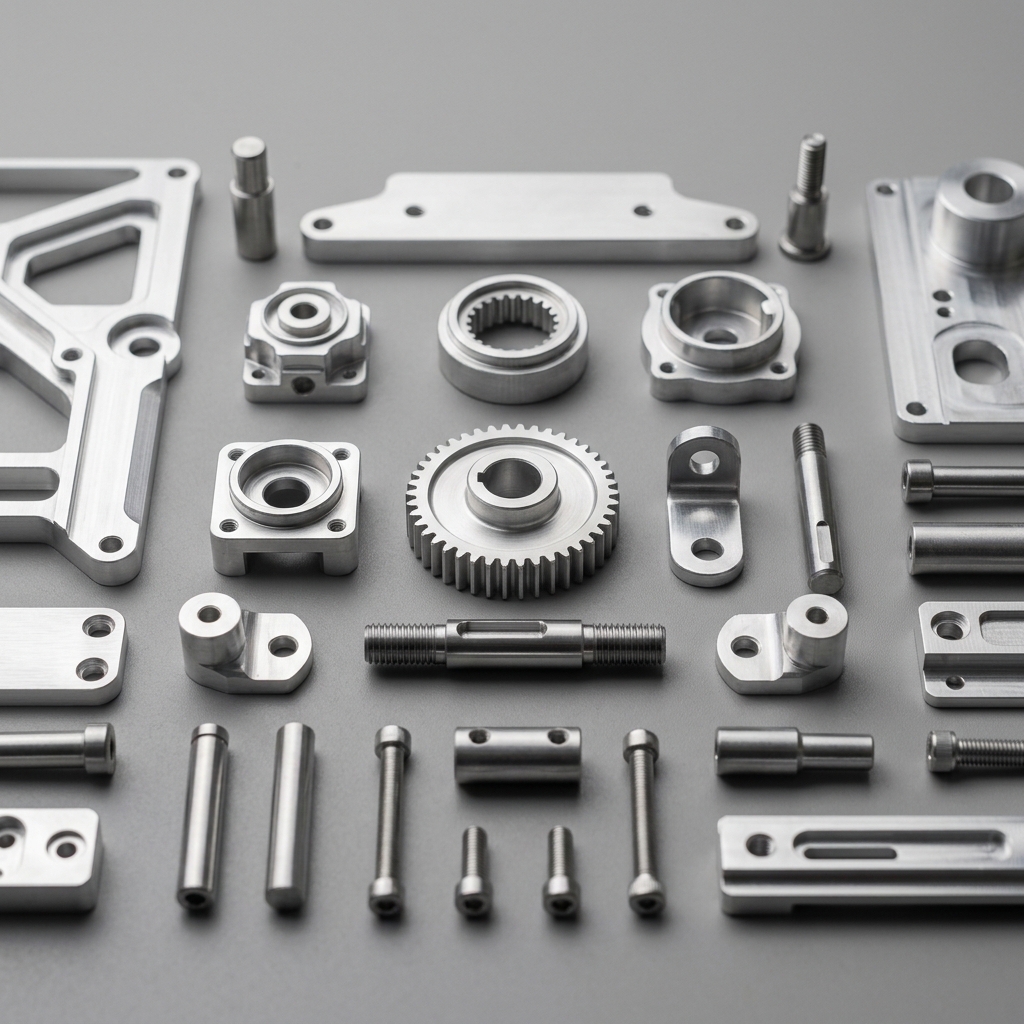
Introduction to CNC Machining
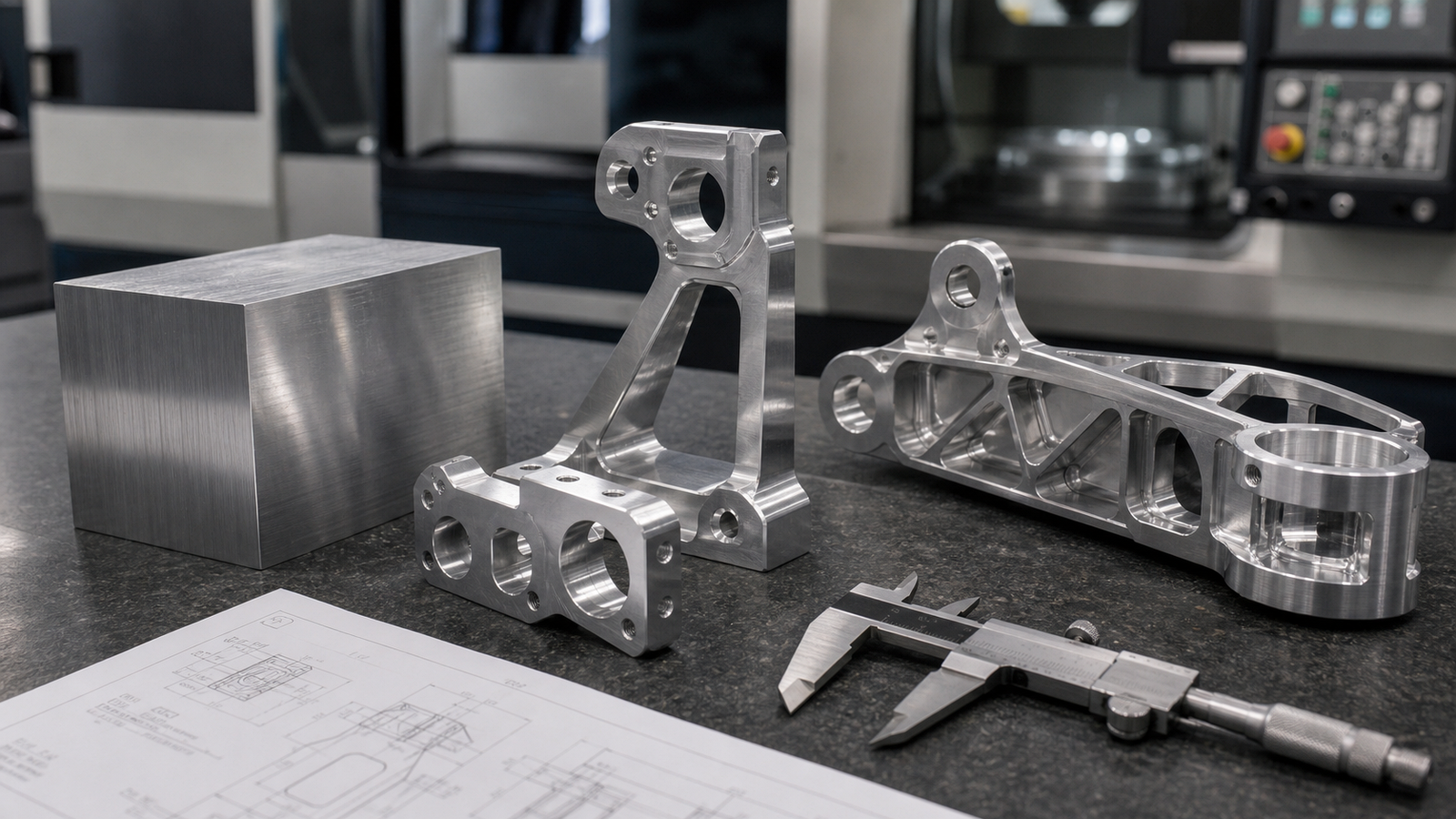
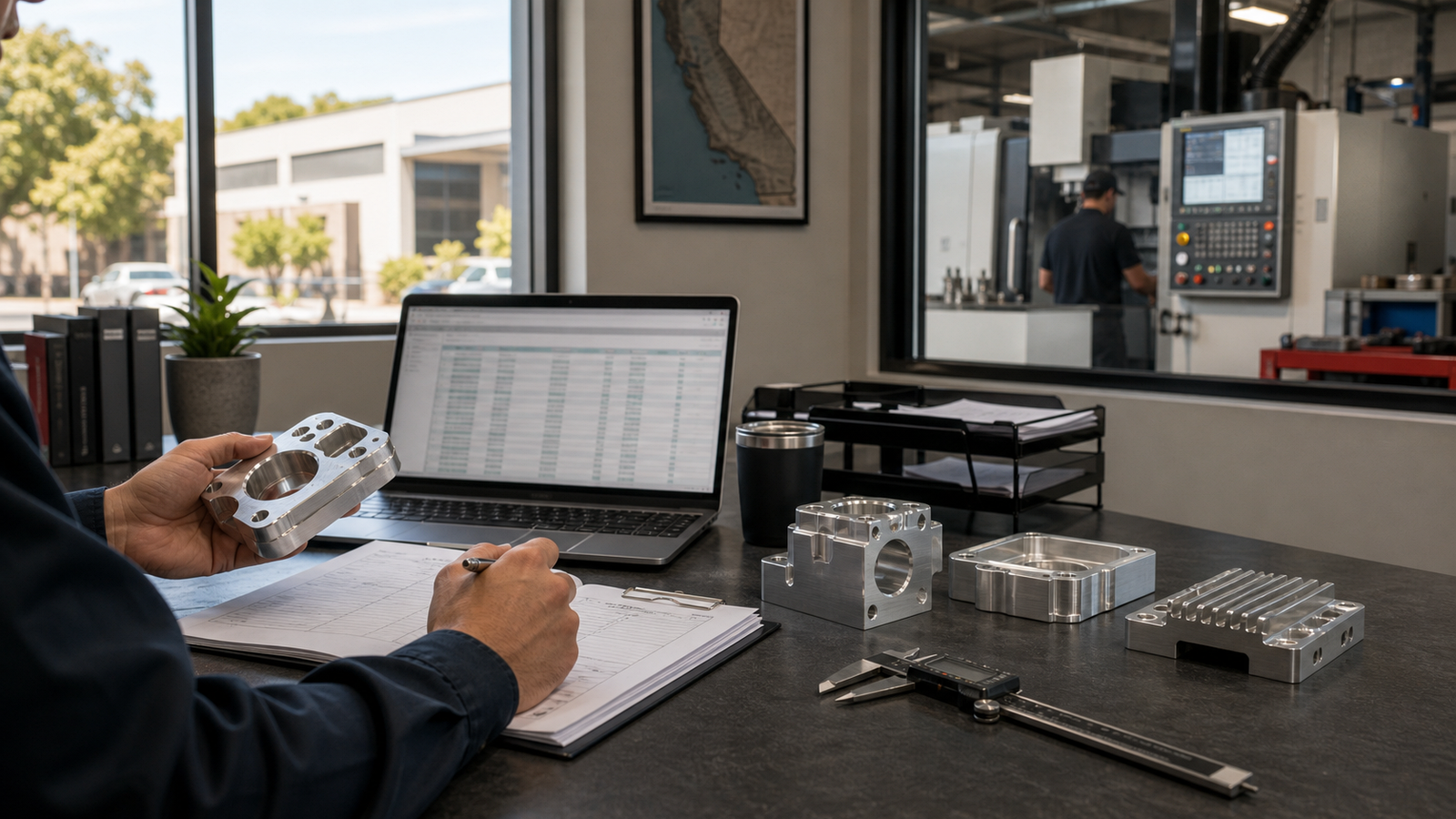
Computer Numerical Control (CNC) machining is a way to make parts using machines controlled by computers. Instead of a person turning dials and pulling levers, a computer program tells the machine exactly where to move. This process can control many different types of tools, like drills, lathes and mills. With CNC machining, a factory can cut a shape out of a solid block of metal or plastic very quickly and very accurately.
Whether it is a shiny new part for a race car or a tiny piece for a medical tool, CNC machining is the core of modern building. It brings designs to life by following strict rules set by the computer.
Subtractive Manufacturing
CNC machining is a subtractive process. This means it creates parts by cutting material away from a larger block, much like carving a statue out of stone. This is the opposite of 3D printing, which adds material layer by layer.
Because it starts with a solid chunk of material, the final piece keeps all the strength of the original block. That is why parts made this way are so tough.
How CNC Works
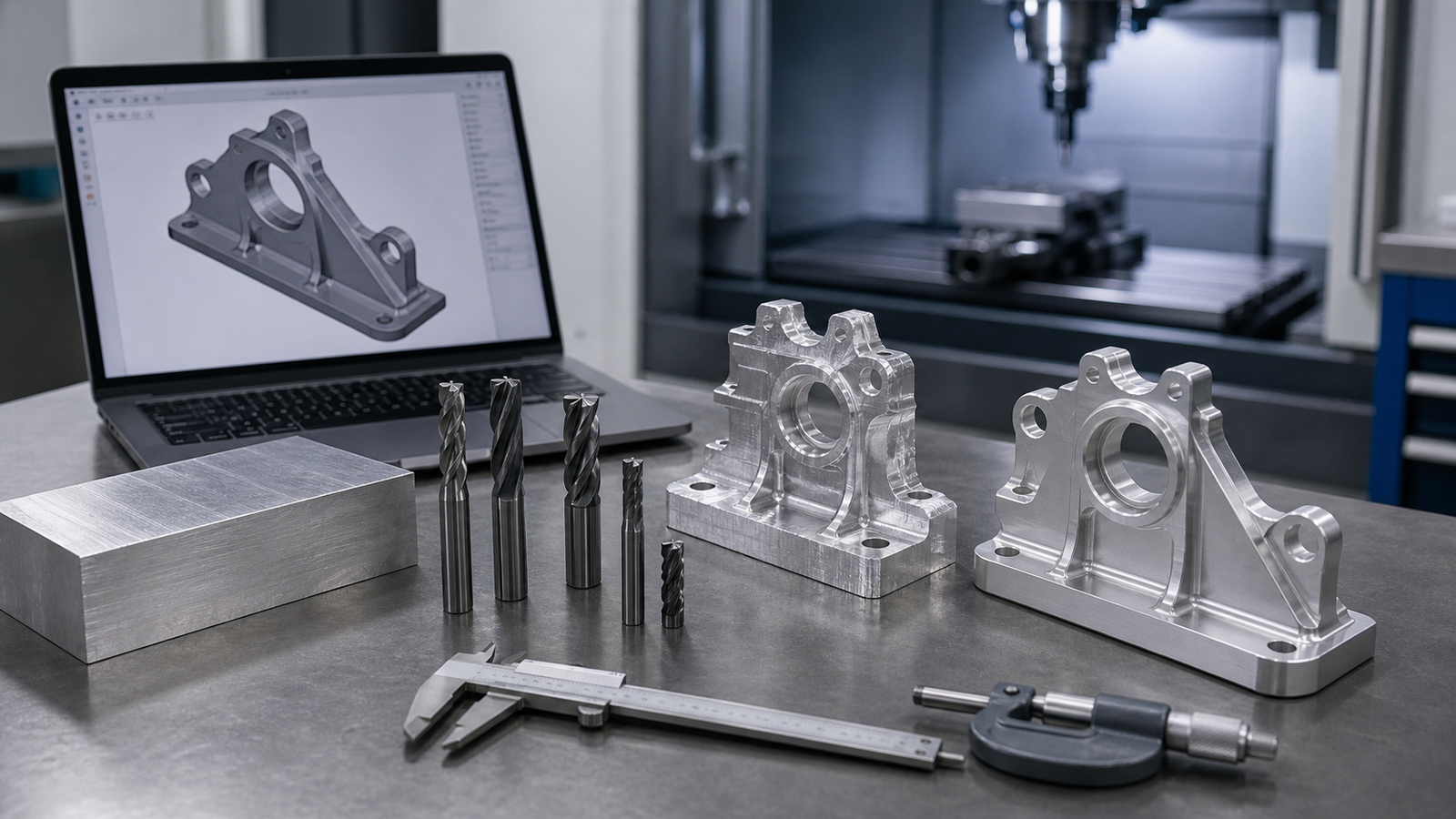
The whole process starts with a digital drawing. An engineer uses 3D CAD (Computer-Aided Design) software to draw the part. Once the model is perfect, it is passed to another program called CAM (Computer-Aided Manufacturing).
The CAM software acts like a translator. It changes the 3D shapes into a language the machine can read, called G-code. This code tells the machine exactly how fast to spin the tool, how deep to cut and where to move. After loading the code into the machine and locking the raw material in place, the operator hits a button. The machine then does all the hard work automatically.
Types of CNC Machines
There are many kinds of CNC machines, each built for a specific job:
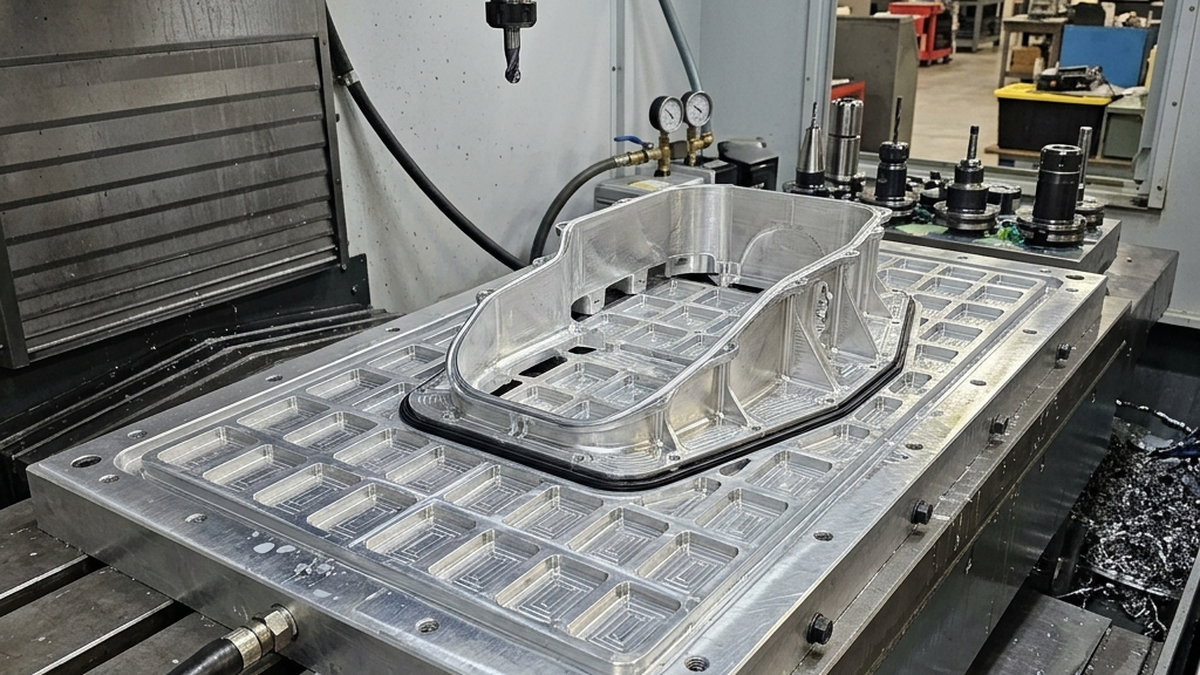
- CNC Mills: The cutting tool spins to carve away material while the part stays mostly still. These are great for flat parts, brackets and complex shapes.
- CNC Lathes: The part spins very fast and a still cutting tool drives into it. These are perfect for making round parts like tubes or pins.
- CNC Routers: Used mainly for softer materials like wood or plastic, these are great for cutting large, flat pieces.
- Multi-Axis Machines: These advanced machines can lean and turn the tool or the part. This allows them to cut very tricky shapes, like the blades of a fan, all at once.

Common Materials
CNC machines use sharp, hard tools that can cut through almost anything. Choosing the right material depends on what the part needs to do. Some common choices are:
- Aluminum: Very light, easy to cut and strong. Grades like 6061 and 7075 are highly popular in aerospace and car parts.
- Stainless Steel: It takes more time to cut but is very strong and does not rust easily.
- Plastics: Materials like Delrin and Polycarbonate are used when a part must be light, clear, or free from electrical shocks.
- Titanium: Used for parts that must stay strong even in very high heat, commonly seen in jet engines.
Why Choose CNC?
There are many good reasons why businesses pay for CNC parts:
- High Accuracy: Machines can cut exactly on the line, holding sizes down to a tiny fraction of a hair's width.
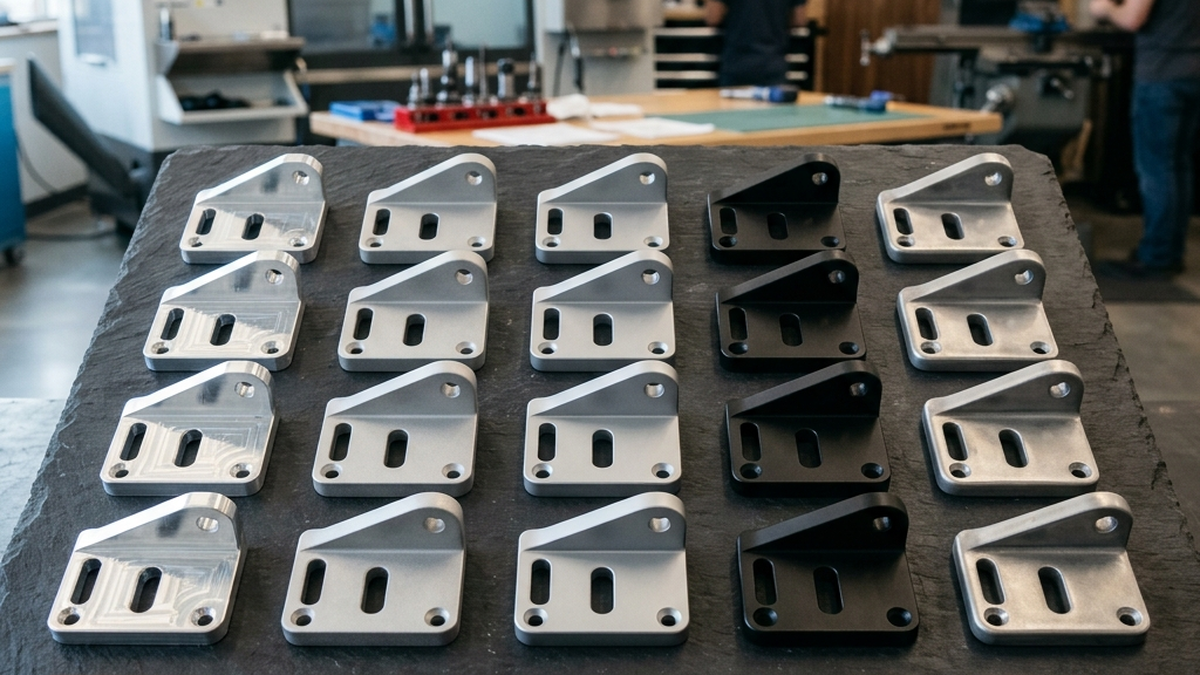
- Perfect Copies: Once the code is written, the machine will make the 1st part and the 1000th part look exactly the same.
- Strong Parts: Because they are carved from solid metal, CNC parts are much stronger than 3D printed parts.
- Speed: A modern machine moves very fast. Large batches of parts can be finished in just a few days.
What Is a Tolerance?
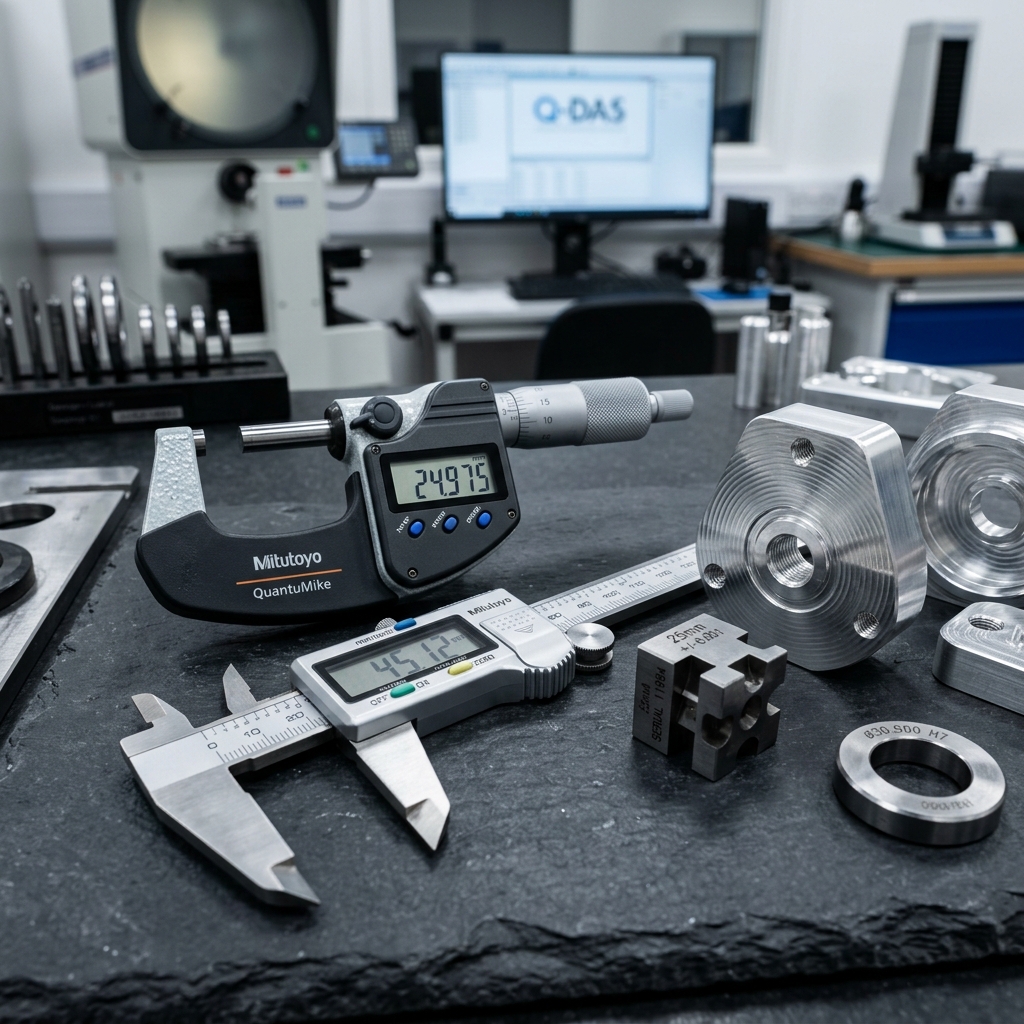
A tolerance is the allowed amount of error on a dimension. If you draw a hole that is exactly 10mm wide, a machinist cannot guarantee it will be perfect every single time. Instead, you set a rule: the hole must be between 9.98mm and 10.02mm. That 0.04mm range is the tolerance.
Tight tolerances, like ±0.001 inches, cost more because the machine must run slower and the operator checks the part more often. Loose tolerances, like ±0.010 inches, are cheaper and faster to hit. A good engineer only uses tight tolerances where they truly matter. Never put a tight tolerance on a surface that does not touch anything. That simple rule saves a lot of money.
Surface Finishes
When a CNC machine finishes cutting, the surface of the part has tiny tool marks on it. The roughness of those marks is measured using a number called Ra (roughness average). A high Ra means a rough, scratchy surface. A low Ra means a smooth, almost mirror-like surface.
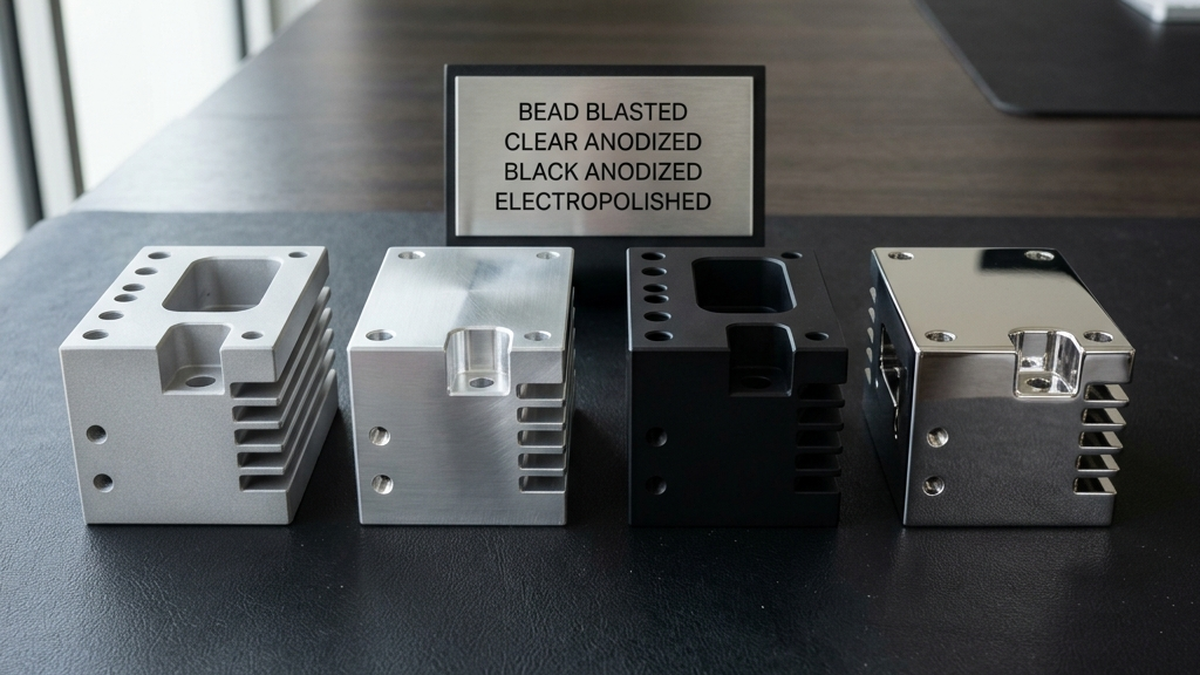
You can also apply secondary finishes to protect or improve the look of the part. Common options include:

- Anodizing: A chemical process that hardens the surface of aluminum and can add color. Great for aerospace and consumer products.
- Powder Coating: A colored powder baked onto the part. Very durable and common on steel parts.
- Bead Blasting: Tiny glass beads are shot at the surface, giving it a clean, matte look. Often used before anodizing.
- Black Oxide: A dark coating for steel that adds mild corrosion protection and reduces shine.
Who Uses CNC Machining?
Almost every major industry depends on CNC machining. Here are some of the biggest users:
- Aerospace: Engine brackets, turbine housings, landing gear parts and satellite frames all need the tight tolerances and strong materials that CNC machining delivers.
- Medical: Surgical instruments, implant screws and diagnostic device housings must be biocompatible and accurate to within thousandths of an inch.
- Automotive: Engine blocks, transmission cases and custom suspension parts are all CNC-machined for performance and consistency.
- Defense: Weapon mounts, optic housings and armored vehicle parts are built to strict military specifications on CNC machines.
- Electronics: Enclosures, heat sinks and connectors for computers and phones are carved with CNC precision.
- Startups: Hardware startups use CNC machining to build functional prototypes that look and work exactly like a final production part.
How to Start a CNC Project
Starting a CNC project is easier than it sounds. Here are the basic steps:
First, build a 3D CAD model of your part using software like SolidWorks, Fusion 360, or SOLIDWORKS. Save the file as a STEP or IGES file, these are the most widely accepted formats by machine shops. Read our guide on what to include in your CAD file for a CNC quote before you send anything.
Next, find a reputable CNC machine shop. Ask about their experience with your material and industry. Send them your CAD file and a 2D drawing that calls out critical dimensions, tolerances and any surface finish requirements.
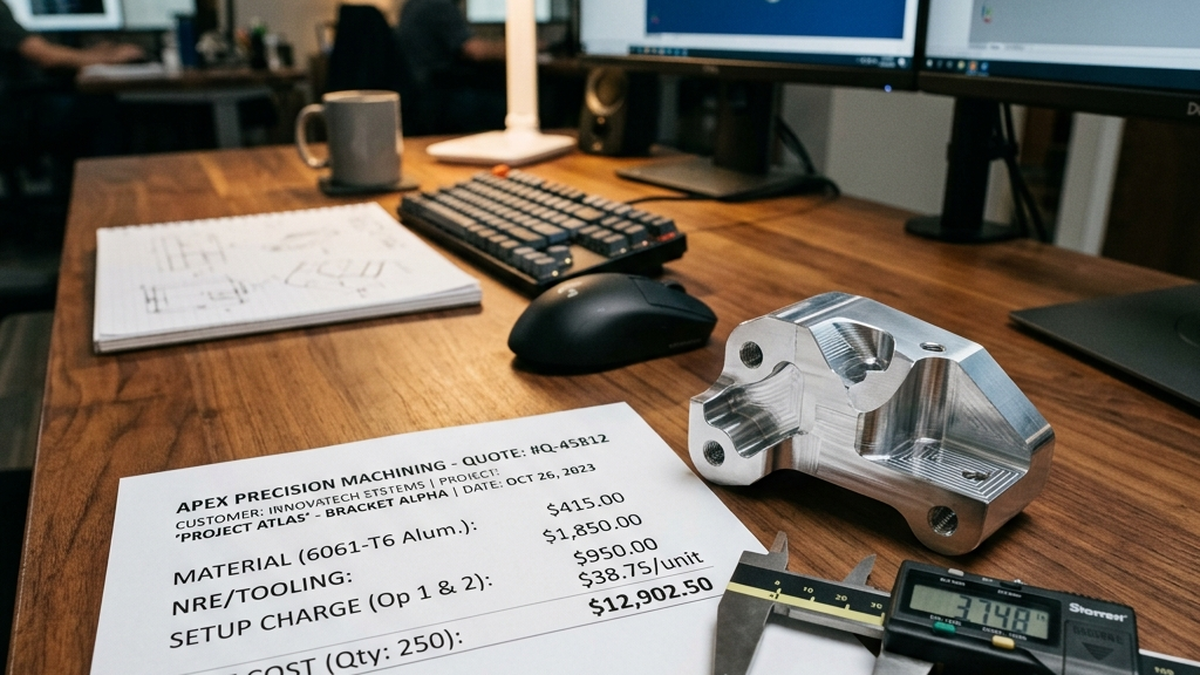
The shop will send back a quote. Review it carefully. Our article on how to read CNC shop quotes explains every line item so you are never surprised. Check that the material, quantity, tolerances and any secondary finishes match what you need. Ask questions if anything is unclear. Once you approve the quote, the shop gets to work. Most prototype parts are done within a few days to a week. Production runs may take two to four weeks depending on quantity.
The Future of Manufacturing
CNC machining is not going away. As computers get smarter, the machines get faster and easier to use. New tools let us cut harder metals and better software stops mistakes before they happen. For any project that demands tough, precise and identical parts, CNC machining is the best choice.

Automation is making shops even faster. Robots now load and unload parts overnight while the shop is empty. Sensors inside the machine measure dimensions in real time and adjust on the fly. These advances mean shorter lead times, lower costs and better quality, all at once.
Artificial intelligence is also entering the shop floor. AI tools can predict tool wear before a cutter breaks, saving costly crashes and scrapped parts. They can also suggest better toolpaths that cut faster while keeping the same tight tolerances. The CNC machines of tomorrow will be faster, smarter and more precise than anything available today, making custom manufacturing accessible to even the smallest startups and individual engineers.
Frequently Asked Questions
What does CNC stand for?
CNC stands for Computer Numerical Control. This simply means a computer dictates numbers to guide the cutting tools to make the desired shape.
Is CNC machining better than 3D printing?
It depends on the task. CNC machining makes stronger and more exact parts out of metal. 3D printing is wonderful for cheap, fast plastic models or shapes with odd hollow insides.
What is G-code?
G-code is the special language that CNC machines understand. It is a long list of numbers and letters telling the machine exactly where to move the cutter step-by-step.