Finding Local CNC Shops
California has hundreds of CNC shops. The trick is finding one that fits your startup's needs. Not every shop works with startups. You need one that handles low volumes and fast timelines.
Here is where to look:
- Thomasnet and MFG.com, Search by location, capability and industry
- Founder referrals, Ask other hardware founders who they use
- Incubator vendor lists, HAX, Highway1 and similar programs maintain shop lists
- Google Maps, Search "CNC machining near me" and check reviews
- Trade shows, Meet shops in person at events like WESTEC
Visit the shop before placing your first order. Walk the floor. Look at the machines. Talk to the machinists. A clean, organized shop with modern equipment is a good sign.
When you reach out, mention your volumes upfront. Some shops only want orders of 1,000+ parts. Others specialize in runs of 5 to 50. Find the right match early to save time.
Need help evaluating shops? Read our guide: How to Evaluate CNC Machine Shops.
Protecting Your IP With NDAs
Your design is your edge. Protect it before you share it. Any good CNC shop will sign a mutual NDA. If they refuse, walk away.
Here is what your NDA should cover:
- Design files, CAD models, drawings and specifications
- Process information, Materials, tolerances and special requirements
- Business terms, Pricing, volumes and timelines
- Duration, 2 to 5 years is standard
Never send CAD files to a shop that has not signed your NDA. This applies to online quoting platforms too. Check their IP policies before uploading.
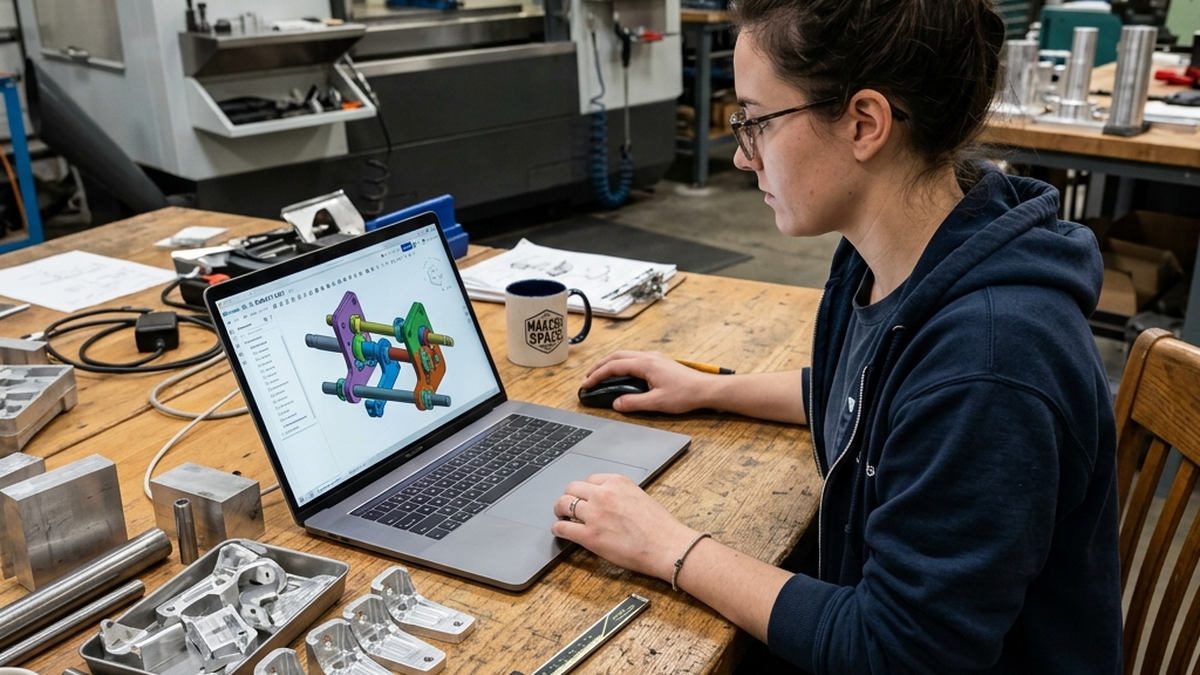
Prepare Your Files Right
Bad files slow everything down. Good files get you faster quotes and fewer mistakes.
- Export STEP files, This is the universal format for CNC shops
- Include a 2D drawing, Call out critical tolerances and finishes
- Specify your material, "Aluminum" is not enough. Say "6061-T6 aluminum"
- Note the quantity, Price changes a lot between 5 and 500 parts
- State your deadline, Be honest about when you need parts
For more detail, read: What Information to Include With Your CAD Files.
The Prototype-to-Production Path
Most startups follow a four-stage path. Each stage serves a purpose. Do not skip stages.
| Stage | Quantity | Purpose | Timeline |
|---|---|---|---|
| Prototype | 3-5 pcs | Design validation | 1-2 weeks |
| Engineering samples | 10-25 pcs | Testing and investor demos | 2-3 weeks |
| Pilot batch | 50-100 pcs | Process validation | 3-4 weeks |
| Production | 100+ pcs | Customer delivery | 4-6 weeks |
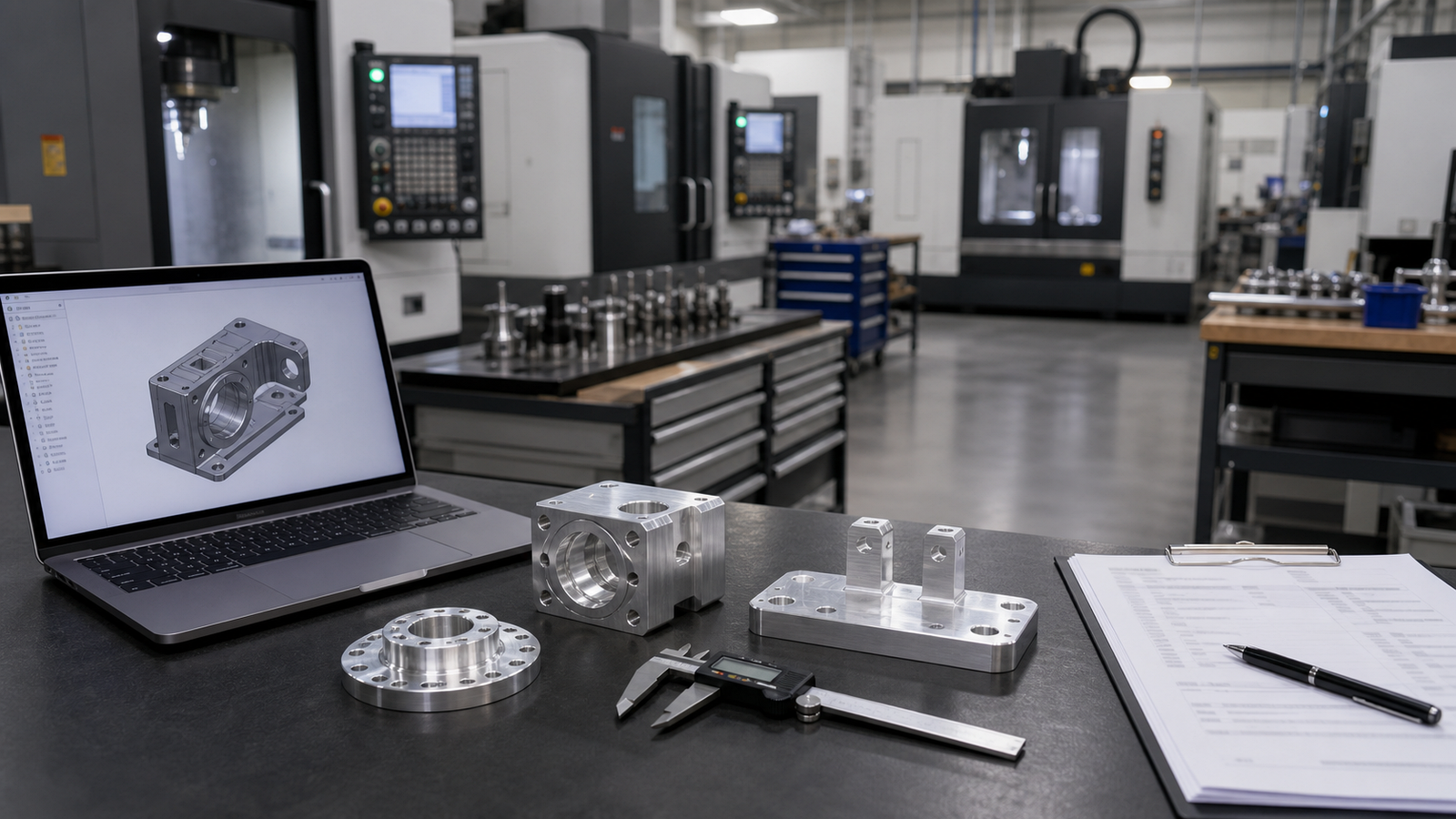
Using one shop for all four stages is smart. They keep your fixtures, tooling and programs. They know your part. Each stage gets faster and cheaper.
Cost Planning for Startups
CNC parts are not cheap, but they do not have to break the bank. Here is how to plan your budget:
- Prototype parts cost more per piece, Setup costs spread over fewer parts
- Price drops at 25+ pieces, The shop amortizes programming and fixtures
- Material choice matters, Aluminum is 3-5x cheaper to machine than titanium
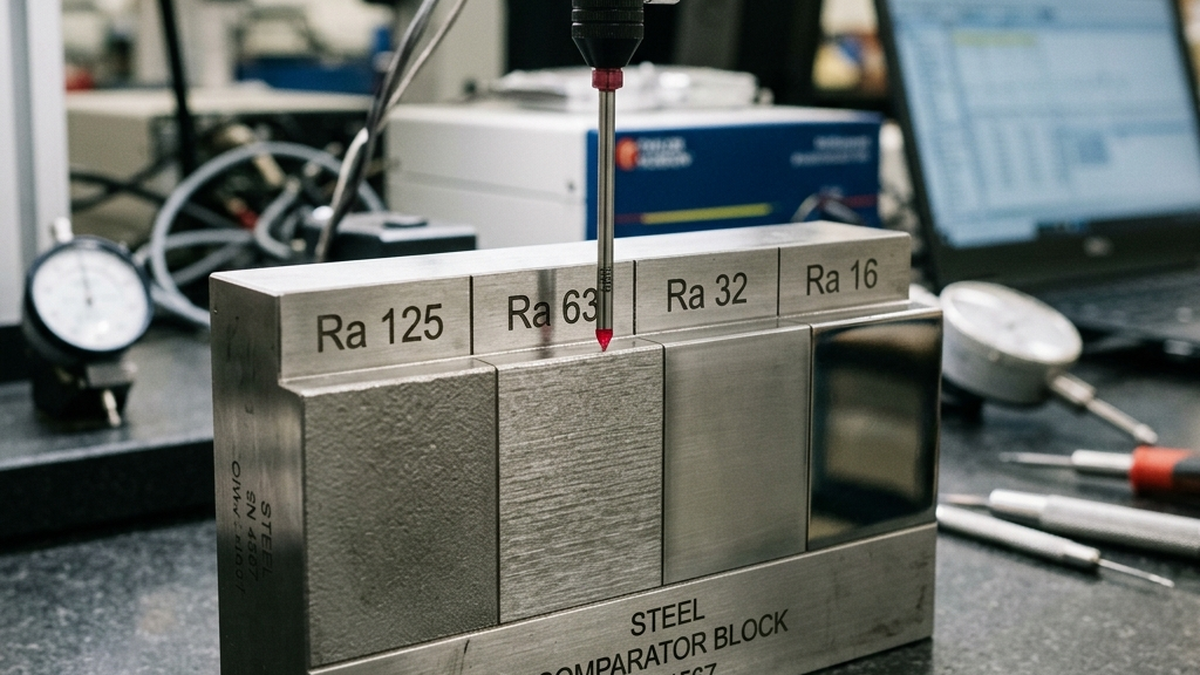
- Tight tolerances add cost, Only specify tight tolerances where they matter
- Finishing adds cost, Anodizing, plating and painting are separate charges
Budget tip: Start with the simplest version of your part. Test it. Then add complexity only where testing proves it is needed. This approach saves thousands in machining costs.
Frequently Asked Questions
How do California startups find local CNC shops?
Use Thomasnet, MFG.com, founder referrals, incubator vendor lists and Google Maps. Visit your top choices in person before ordering.
Should startups use an NDA with their CNC shop?
Yes. Any reputable shop will sign a mutual NDA. This protects your designs and business information.
How much does prototype machining cost?
Simple aluminum parts start at $50 to $150 each for 5 to 10 pieces. Complex parts can cost $500 to $2,000 each. Get quotes from 3 shops.
What is the path from prototype to production?
Start with 3-5 prototypes. Then 10-25 samples for testing. Run a pilot of 50-100 parts. Then scale to production.
Can one shop handle both prototyping and production?
Many can. Using one shop keeps your fixtures, programs and knowledge in one place. This saves time and money as you scale.
How Startups Should Source Local Manufacturing
California startups usually need more than a vendor. They need a manufacturing partner that can respond while the design is still changing. The first useful filter is process fit. A shop that is excellent at production turning may not be the best fit for a complex 5-axis prototype. A fabrication shop may be perfect for brackets and welded frames but wrong for tight-tolerance housings.
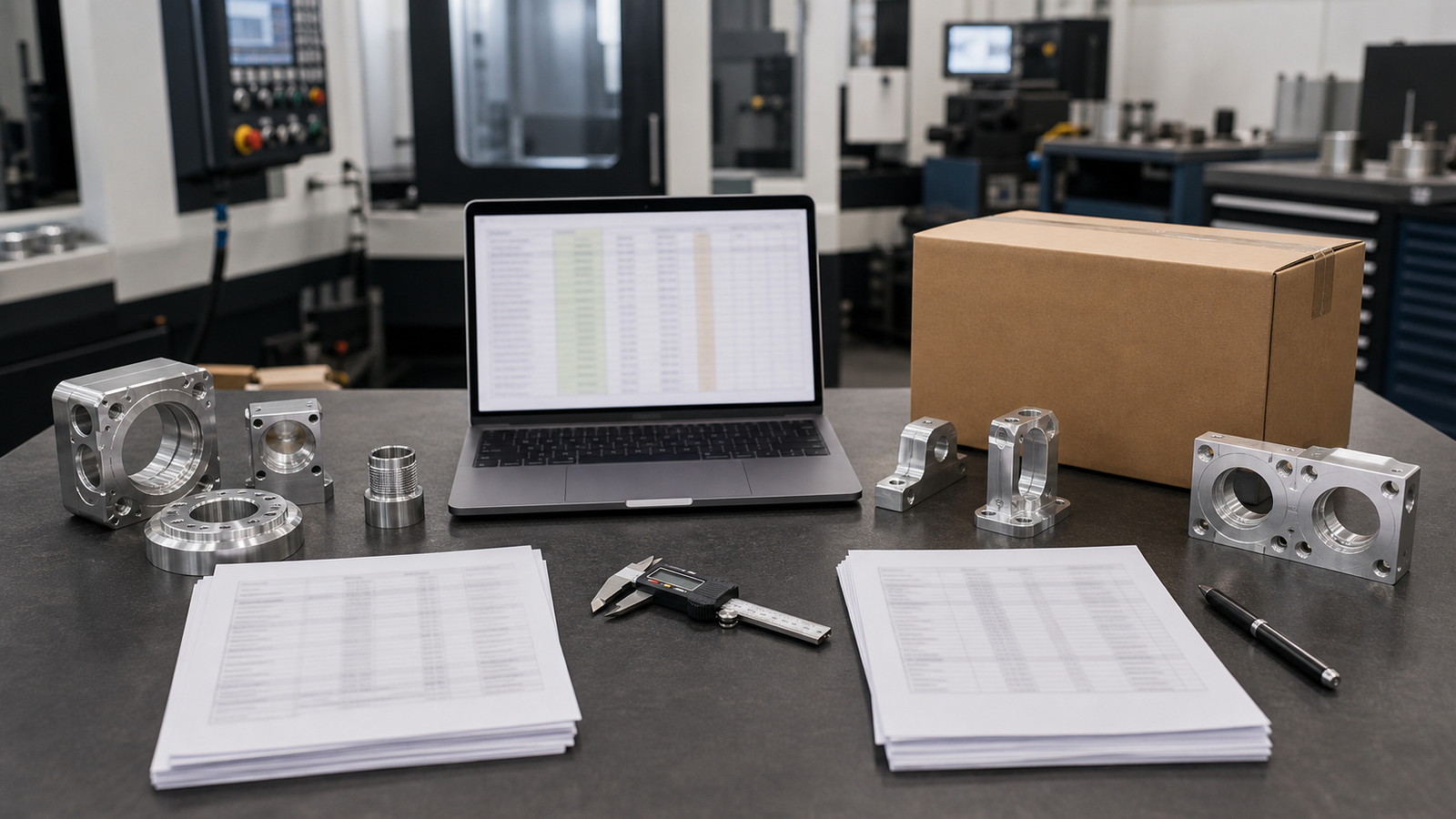
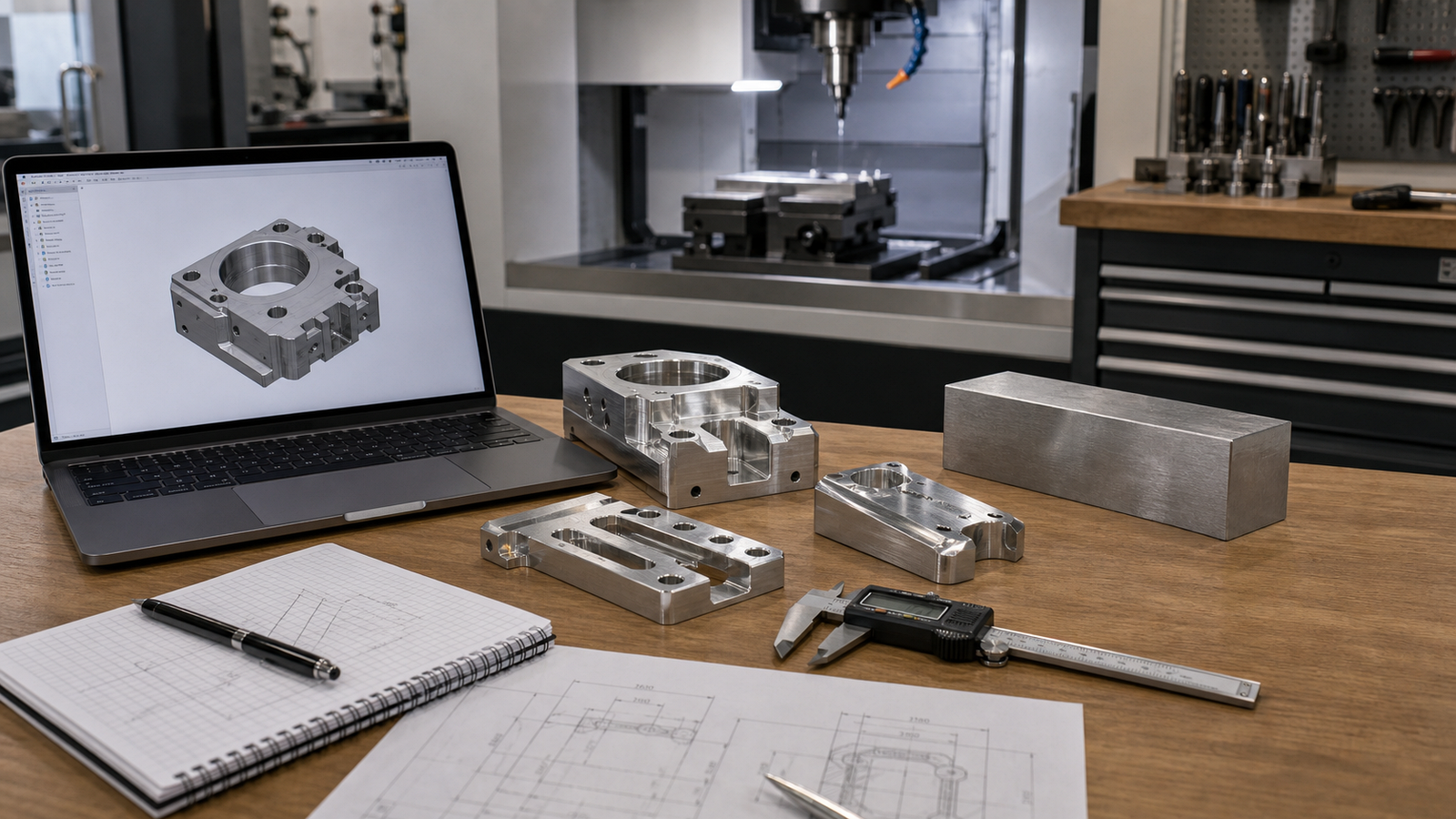
Start with a complete RFQ package: STEP file, drawing, material, finish, quantity, target lead time and the intended use of the part. If you do not know the material or finish yet, say so. A good local shop can help choose between 6061, 7075, stainless, Delrin, nylon or PEEK based on load, environment and cost. This is where how to get metal parts made for a startup in California becomes a practical workflow, not just a search phrase.
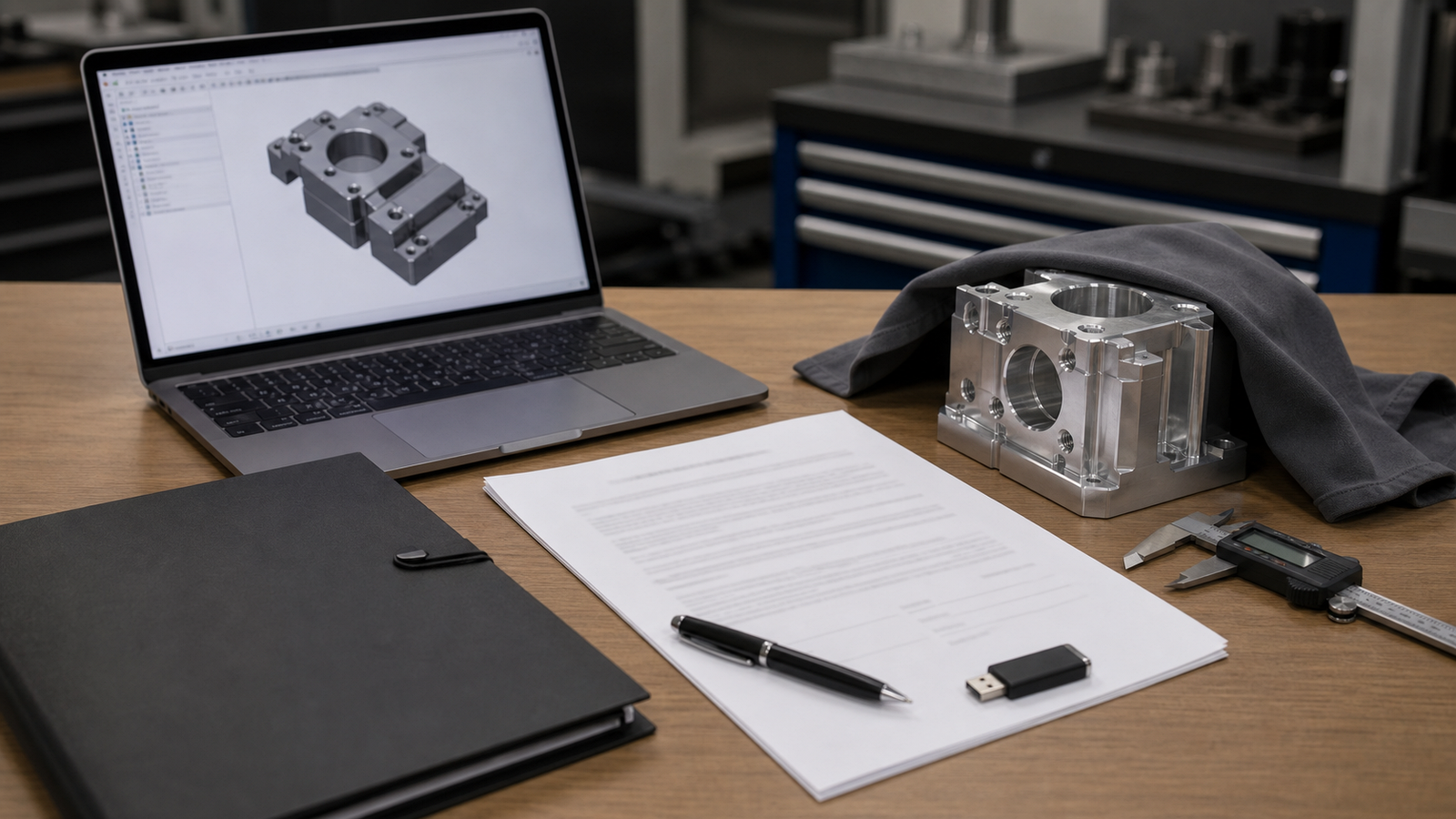
Ask shops how they handle design feedback. Some will simply quote what you send. Others will offer DFM suggestions, flag expensive features and recommend tolerance changes. For early-stage startups, that feedback may save more money than a lower hourly rate.
From Prototype to Pilot Production
A startup’s first machined part is rarely the final production part. Expect the design to move through prototype, engineering validation, pilot production and repeat production. Each stage has different goals. The prototype proves geometry. Engineering validation proves function. Pilot production proves that the process can repeat across multiple parts. Production proves cost, quality and delivery.
Local California manufacturing is especially useful during prototype and pilot stages. You can inspect parts quickly, meet the shop, test the assembly and revise the model before committing to volume. This reduces the risk of ordering hundreds of parts before discovering that a hole is hard to reach, a surface finish is wrong or an assembly stackup is too tight.
For cost planning, ask for price breaks at 1, 5, 25, 100 and 500 pieces. That gives your team a realistic view of how the part scales. It also helps investors and operations teams understand why prototype pricing is not the same as production pricing.
Long-Tail Questions This Article Answers
This guide covers California startup manufacturing for hardware companies, local CNC machining for startups in California, how to go from prototype to production in California, low volume CNC machining for startups, startup manufacturing NDA and IP protection, Bay Area prototype machine shop for startups, hardware startup pilot production machining and contract manufacturing CNC for product development.
The best time to involve a shop is before the design is frozen. Early manufacturing feedback gives startups more room to reduce cost and avoid painful redesigns later.
Startup RFQ Checklist
A startup RFQ should include a STEP file, PDF drawing, material preference, finish, quantity, target lead time and what the part does in the assembly. If the part is load-bearing, exposed to heat, used outdoors or touches a customer-facing surface, say so. Context helps the shop suggest smarter materials and tolerances.
Include your current stage. A proof-of-concept part should optimize for speed and learning. An investor demo part may need cosmetics. A pilot production part needs repeatability and inspection. Different goals lead to different machining choices.
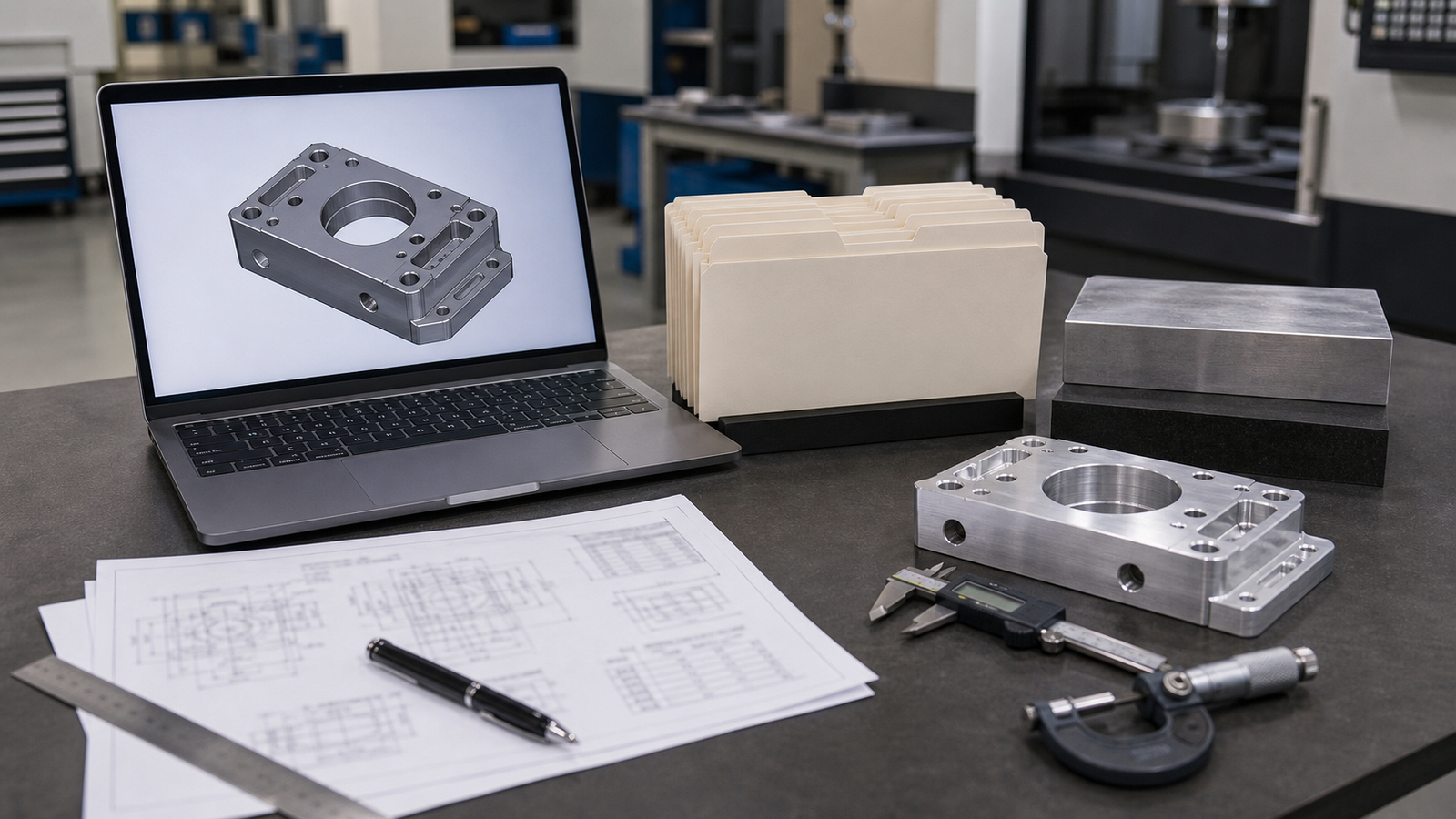
Do not hide uncertainty. If you are unsure about anodizing, wall thickness, thread size or tolerance, ask directly. Local shops are most valuable when they can help you reduce risk before the design becomes expensive to change.
Common Startup Manufacturing Mistakes
Startups often send incomplete CAD packages and ask for urgent quotes. That leads to assumptions, delays and avoidable cost. Another mistake is over-tolerancing every feature because the team is nervous. Tight tolerance should be reserved for interfaces that truly matter. A third mistake is switching suppliers too early to chase a lower prototype price. Manufacturing knowledge compounds; a shop that helped improve revision A can often make revision B faster and cheaper.
For best results, send the shop the model, drawing, quantity, revision status, target lead time and any inspection or documentation requirements at the start. Clear inputs help the supplier quote the real job, choose the right setup and avoid surprises after machining begins.
Final Buyer Takeaway
The best machining outcome usually comes from matching the quote package to the real manufacturing risk. A simple bracket may only need a clean model, standard material and normal inspection. A thin, cosmetic, regulated or schedule-critical part needs more context. Share the part function, mating features, quantity forecast, finish expectations and the reason any tight tolerance exists. That information lets the shop recommend a practical process instead of guessing from geometry alone.
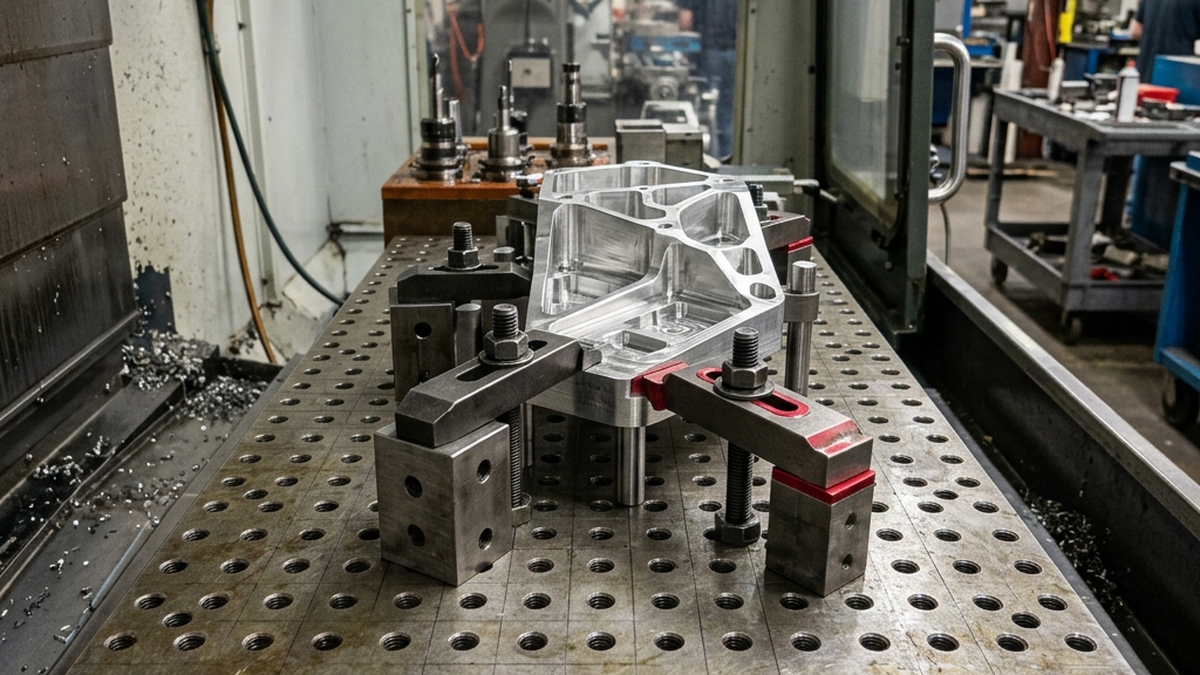
For SEO and answer-engine clarity, this article intentionally addresses specific buyer searches rather than broad definitions only. Those long-tail questions are often the same questions a manufacturing engineer asks before releasing a purchase order: how will the part be held, what records are required, how will cost change at quantity and which risks should be solved before the first chip is cut?