Electroless Nickel Plating
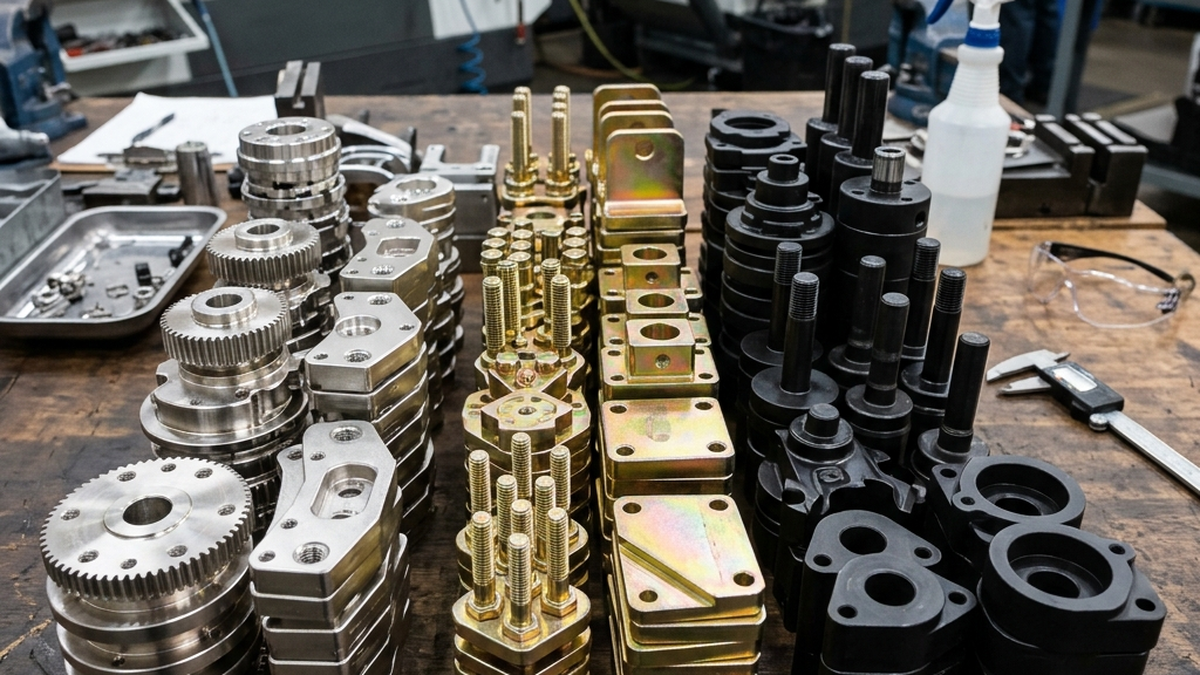
Electroless nickel (EN) is the go-to plating for CNC parts. It deposits a uniform layer of nickel-phosphorus alloy without electricity. That means the coating is the same thickness everywhere -- even inside holes and on complex shapes.
EN plating is hard (48-52 HRC as plated, up to 68 HRC after heat treatment). It resists corrosion, chemicals and wear. It works on steel, aluminum, copper and most other metals.
- Thickness: 0.0001-0.002 inches (typical 0.0003-0.0005)
- Hardness: 48-52 HRC (68 HRC after baking)
- Salt spray: 500-1,000+ hours
- Cost: $$-$$$ ($10-40 per part)
- Lead time: 3-5 days
- Best for: Precision parts, mating surfaces, corrosion protection on any metal
Specify "mid-phosphorus" electroless nickel (6-9% P) for the best balance of hardness and corrosion resistance. High-phosphorus (10-13% P) gives better corrosion resistance but is slightly softer.
Chrome Plating
Chrome plating comes in two types. They look the same, but they do very different jobs.
Decorative Chrome
Decorative chrome is thin (0.00001-0.00003 inches). It's applied over a nickel undercoat for the shiny, mirror-like look. It offers minimal wear protection.
Best for: visual parts, knobs, handles, consumer products.
Hard Chrome (Industrial)
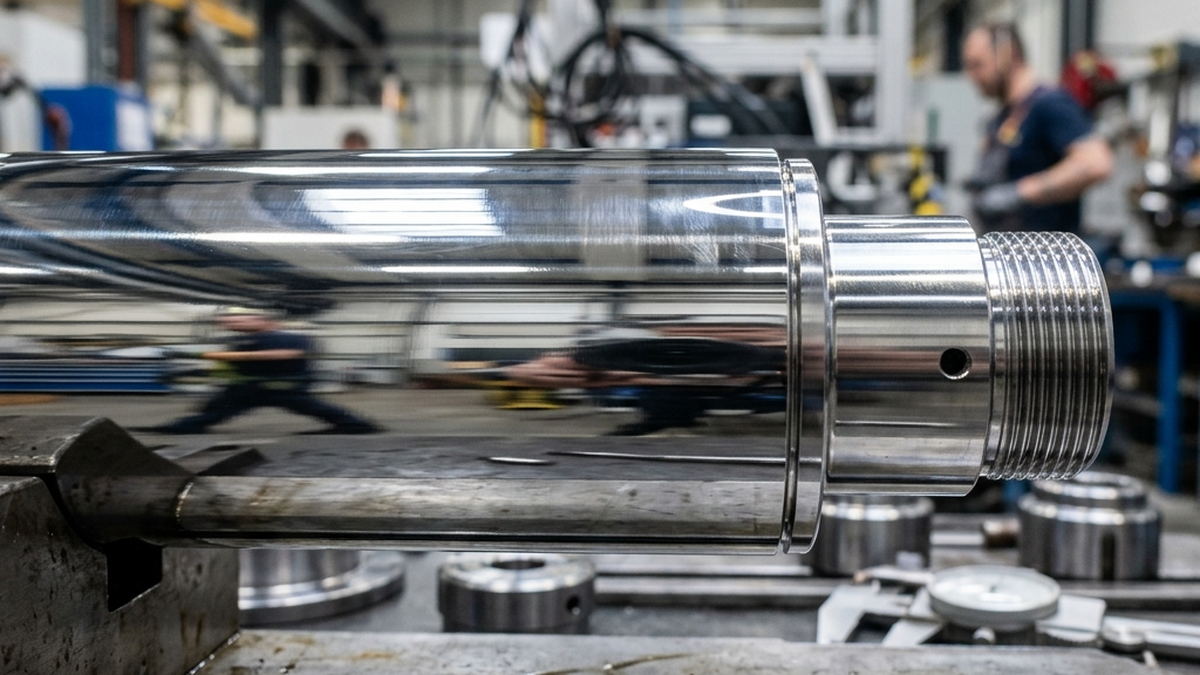
Hard chrome is thick (0.001-0.010 inches) and extremely hard (65-70 HRC). It's used on hydraulic cylinders, pistons, shafts and mold surfaces. It provides the lowest friction of any common plating.
- Thickness: 0.001-0.010 inches
- Hardness: 65-70 HRC
- Salt spray: 200-500 hours
- Cost: $$$ ($20-60 per part)
- Lead time: 3-5 days
- Best for: Shafts, cylinders, sliding surfaces, molds
Zinc Plating
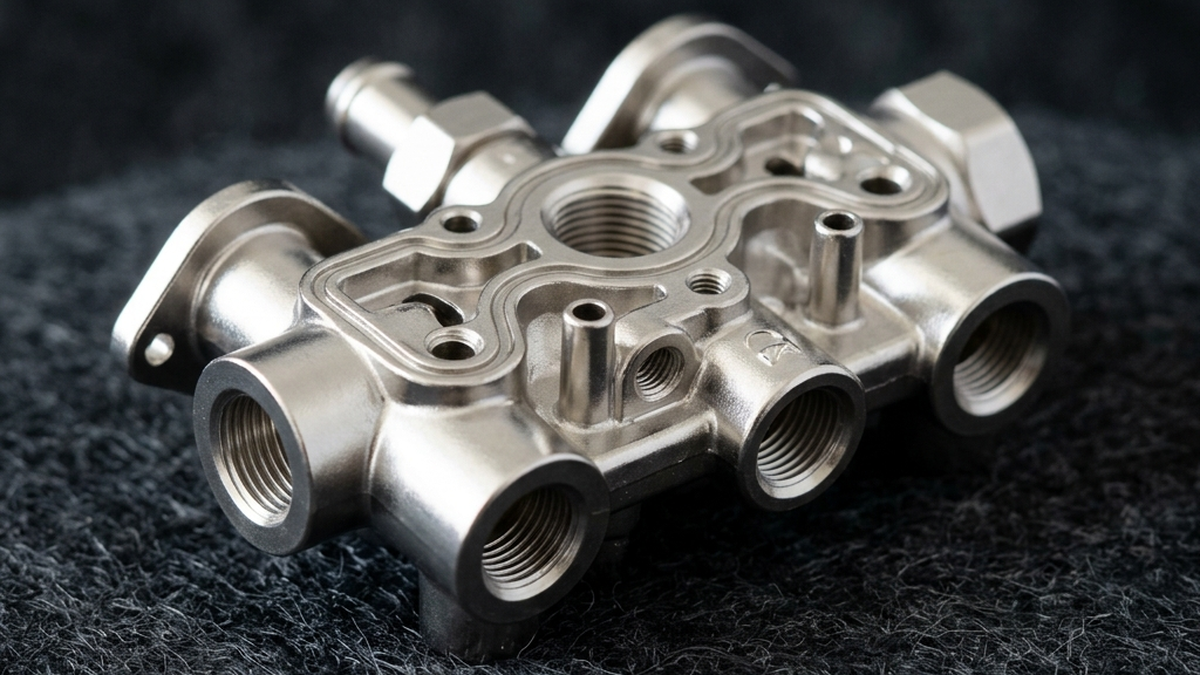
Zinc plating is the most common plating for steel parts. It's affordable, provides good corrosion protection and comes with different chromate conversion coatings for extra protection.
Chromate Options
- Clear (blue-bright): Thin, minimal protection. 24-96 hours salt spray.
- Yellow chromate: Thicker conversion coating. 96-200 hours salt spray.
- Olive drab: Military standard. 200-500 hours salt spray.
- Black chromate: Cosmetic black finish. 96-200 hours salt spray.
- Thickness: 0.0002-0.001 inches
- Hardness: Low (zinc is soft)
- Cost: $ ($3-15 per part)
- Lead time: 2-3 days
- Best for: Steel hardware, fasteners, brackets, general corrosion protection
Cadmium Plating
Cadmium plating gives excellent corrosion protection, especially in salt water and marine environments. It also provides natural lubricity, which helps threaded parts go together smoothly.
Cadmium is toxic and heavily regulated. RoHS and REACH restrict it in commercial products. But it's still required by many aerospace and defense specs because no substitute matches its performance.
- Thickness: 0.0002-0.0005 inches
- Salt spray: 500-1,000+ hours
- Cost: $$$ (expensive due to environmental controls)
- Lead time: 3-5 days
- Best for: Aerospace fasteners, military hardware, marine parts
- Spec: QQ-P-416
Cadmium is restricted by RoHS and REACH for commercial products sold in the EU and many other markets. For commercial parts, consider zinc-nickel plating as a drop-in replacement with similar performance.
Passivation
Passivation isn't plating. It's a chemical treatment that improves the corrosion resistance of stainless steel. It removes free iron left on the surface from machining and strengthens the natural chromium oxide layer.
The process is simple: soak the part in nitric or citric acid for 20-30 minutes, then rinse. It adds zero thickness. The part looks the same before and after.
- Thickness: None (no material added)
- Salt spray: 24-200 hours (depends on the alloy)
- Cost: $ ($3-8 per part)
- Lead time: 1-2 days
- Best for: All stainless steel CNC parts
- Specs: ASTM A967, AMS 2700
Almost every stainless steel part should be passivated. It costs little, adds no lead time and meaningfully improves corrosion resistance.
Cerakote
Cerakote is a thin ceramic-polymer coating. It's sprayed on and baked, creating a hard, chemical-resistant shell. It comes in hundreds of colors, including patterns and camouflage.
Cerakote is popular in firearms, automotive and industrial applications. It works on any metal and some plastics.
- Thickness: 0.001 inches (single coat)
- Hardness: 9H pencil hardness
- Salt spray: 500-3,000 hours (depends on series)
- Cost: $$ ($10-40 per part)
- Lead time: 2-4 days
- Best for: Parts needing color + corrosion protection on any metal
Complete Comparison Table
| Coating | Thickness | Hardness | Salt Spray | Cost |
|---|---|---|---|---|
| Electroless Nickel | 0.0003-0.0005" | 48-52 HRC | 500-1,000+ hrs | $$-$$$ |
| Hard Chrome | 0.001-0.010" | 65-70 HRC | 200-500 hrs | $$$ |
| Zinc (Yellow) | 0.0003-0.0005" | Low | 96-200 hrs | $ |
| Zinc (Olive Drab) | 0.0003-0.0005" | Low | 200-500 hrs | $-$$ |
| Cadmium | 0.0002-0.0005" | Low | 500-1,000+ hrs | $$$ |
| Passivation | None | N/A | 24-200 hrs | $ |
| Cerakote | 0.001" | 9H pencil | 500-3,000 hrs | $$ |
For aluminum parts, see our anodizing types comparison. For a broader overview of all finish types, read our Surface Finish Buyer's Guide.
Frequently Asked Questions
What is the best plating for corrosion resistance?
Electroless nickel gives 500-1,000+ hours of salt spray resistance on any metal. Cadmium plating also performs at 500-1,000+ hours and is standard in aerospace. Zinc plating with yellow chromate is a cost-effective option at 96-200 hours.
What is the difference between electroless nickel and electrolytic nickel?
Electroless nickel uses a chemical reaction for perfectly uniform thickness everywhere. Electrolytic nickel uses electricity and builds up thicker on edges. For CNC parts with tight tolerances, electroless nickel is the better choice.
Is cadmium plating still allowed?
Cadmium is restricted by RoHS and REACH for commercial products. It's still used in aerospace and defense per QQ-P-416. For commercial parts, zinc-nickel plating is a good alternative.
What is passivation?
Passivation is a chemical treatment for stainless steel. It removes free iron and strengthens the chromium oxide layer. It adds no thickness and improves corrosion resistance. Almost all stainless steel CNC parts should be passivated.
What is Cerakote and when should I use it?
Cerakote is a thin ceramic-polymer coating. It gives corrosion protection, wear resistance and comes in hundreds of colors. It's popular for firearms, automotive and industrial parts. It works on any metal. Read our full finishing options guide for more comparisons.