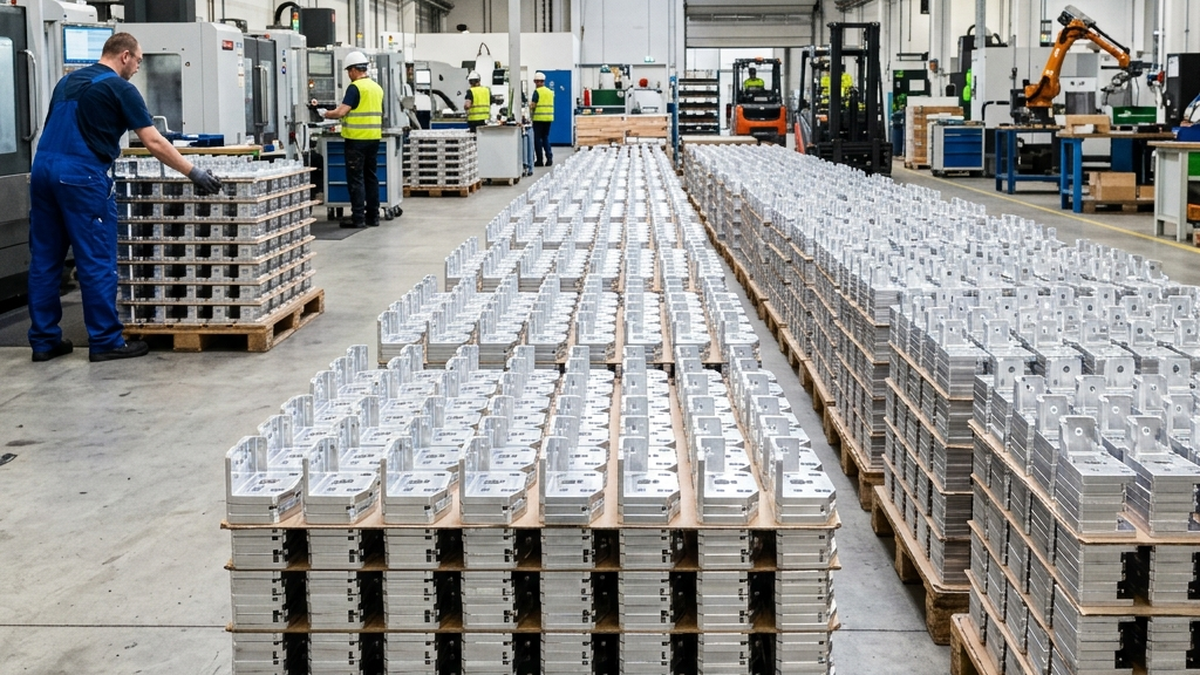
What Changes From Prototype to Production
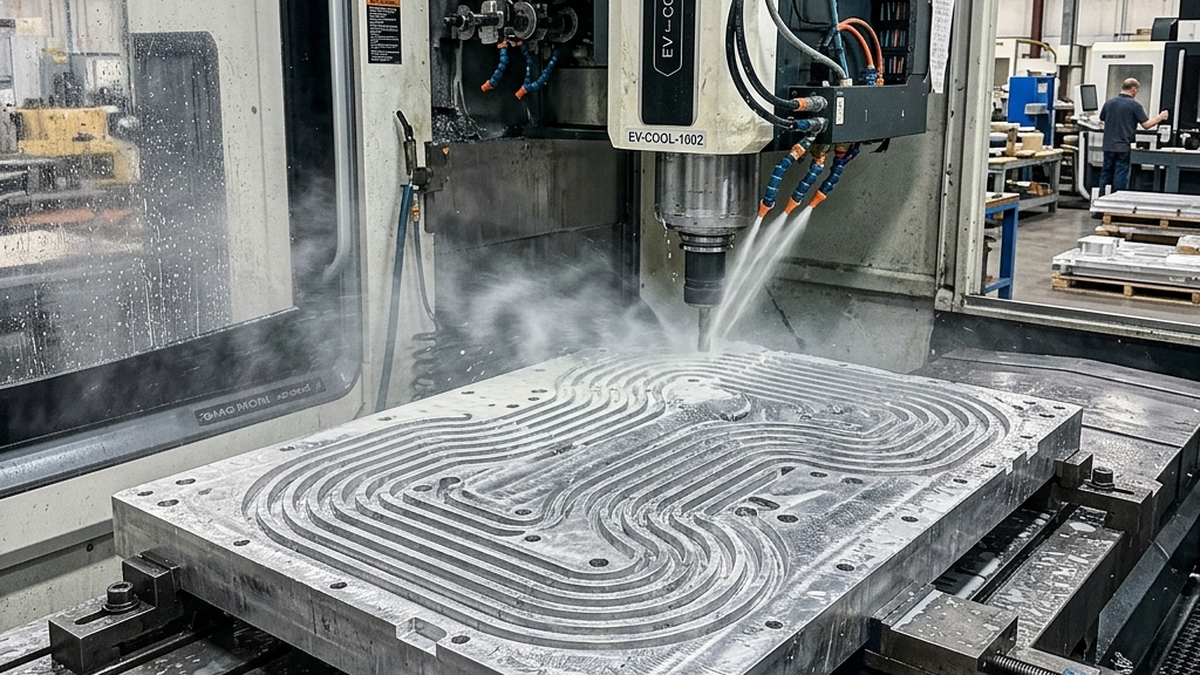
Prototype machining optimizes for speed and flexibility. Production machining optimizes for cost per part and repeatability.
Here are the main differences:
| Factor | Prototype (1-25 parts) | Production (100+ parts) |
|---|---|---|
| Fixturing | Vise, soft jaws, manual clamping | Custom fixtures, multi-part setups |
| Programming | Quick, functional programs | Optimized for cycle time |
| Tooling | General purpose tools | Part-specific tools, longer life |
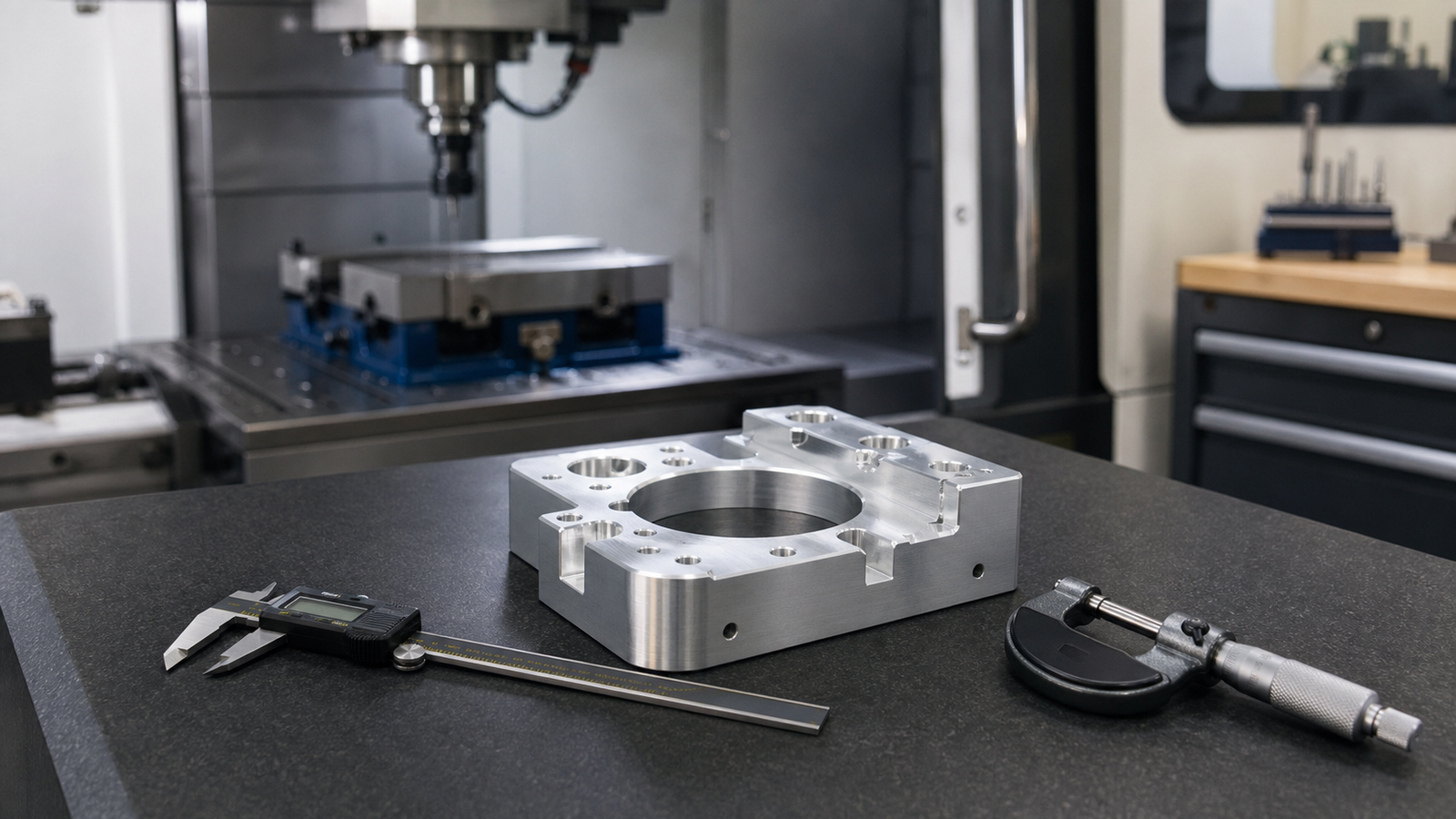
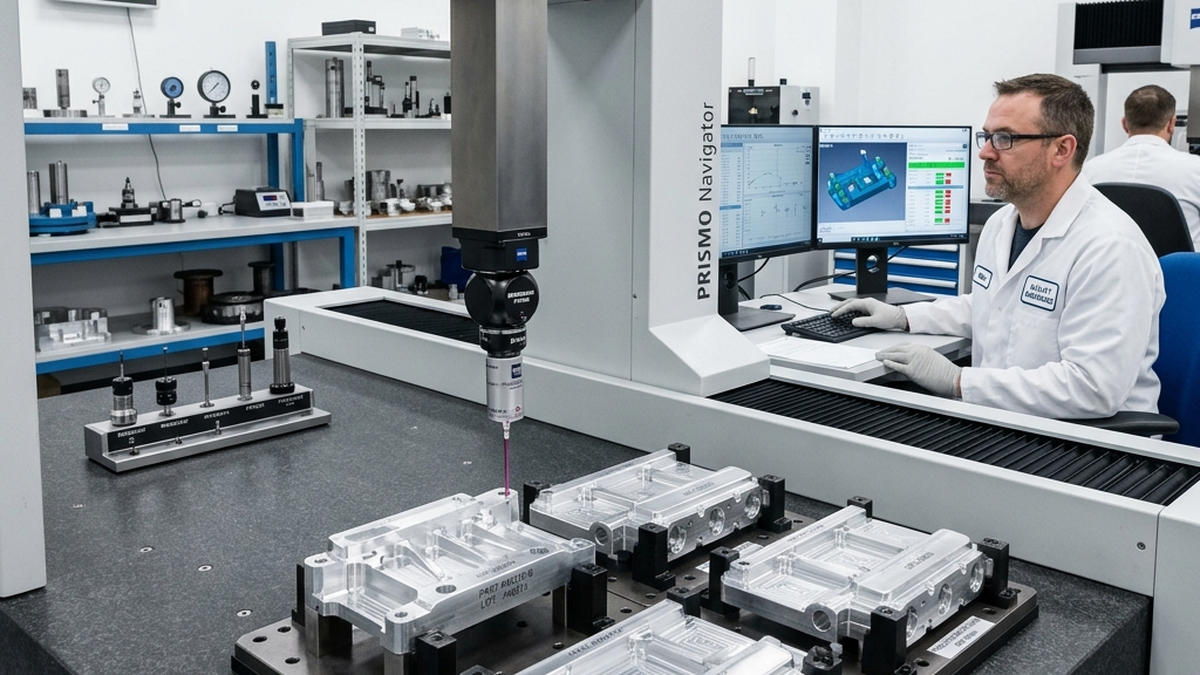
| Inspection | Spot-check critical dims | First article + SPC + CMM |
| Material | Cut from available stock | Near-net blanks, bar stock |
| Lead Time | 3 - 7 days | 2 - 4 weeks (first run) |
Fixturing Differences
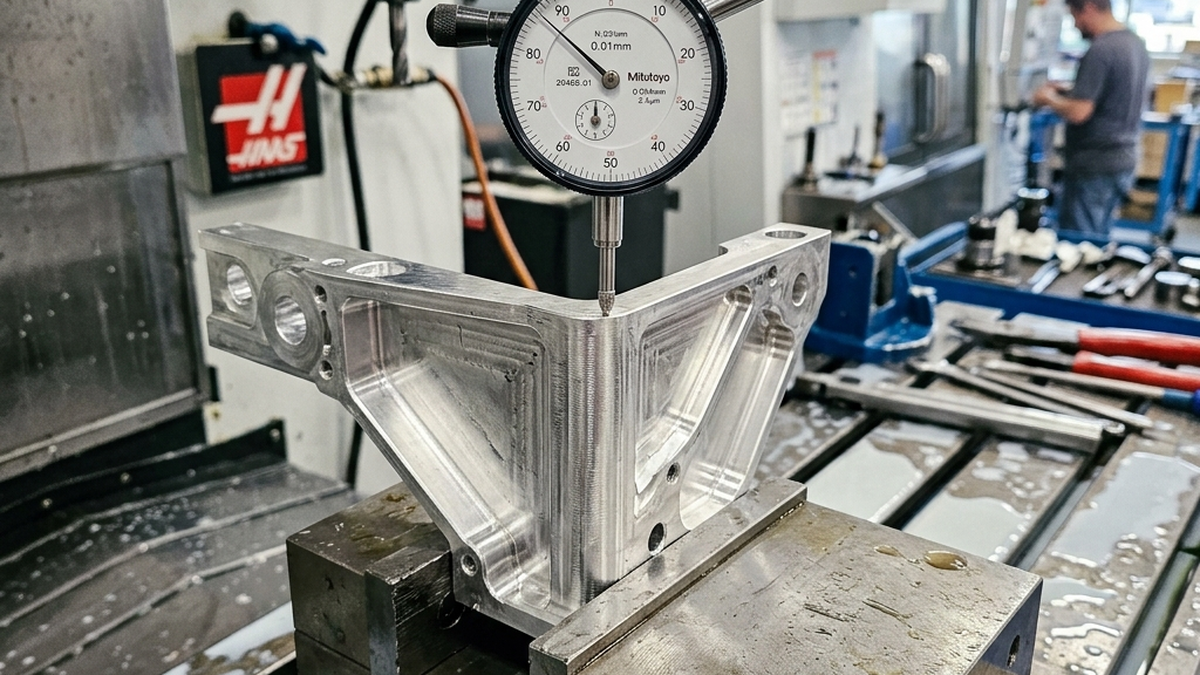
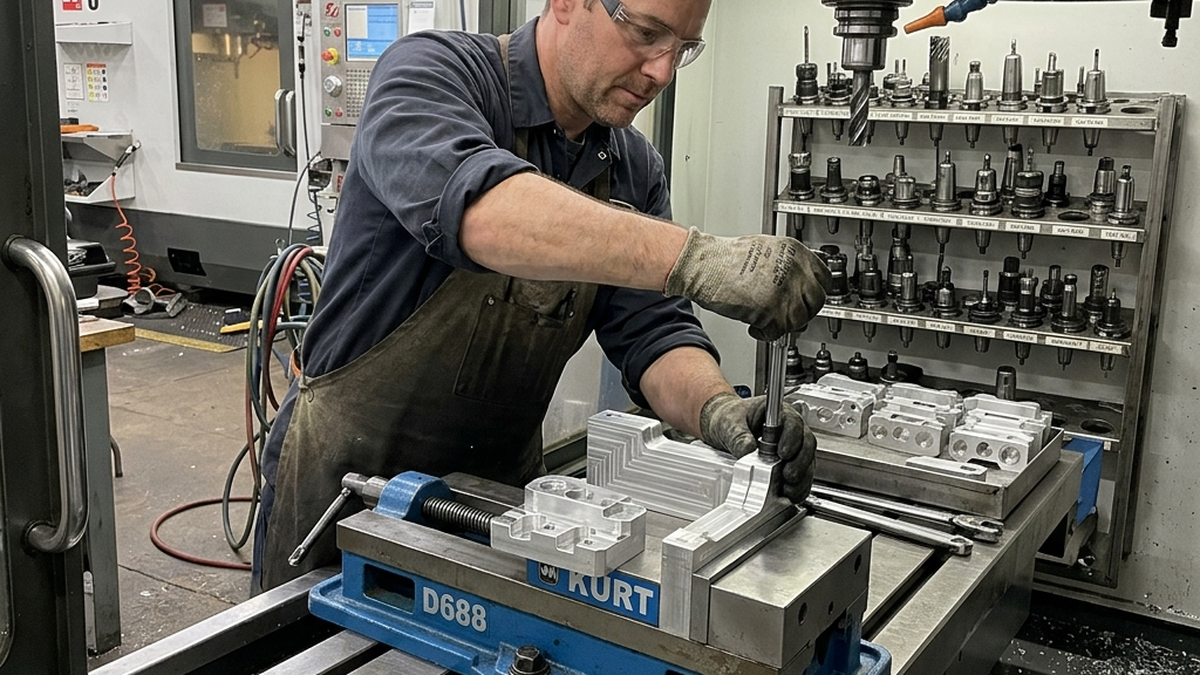
For prototypes, a machinist clamps the part in a standard vise. This is fast to set up but slow per part. Loading and unloading takes 30-60 seconds each time.
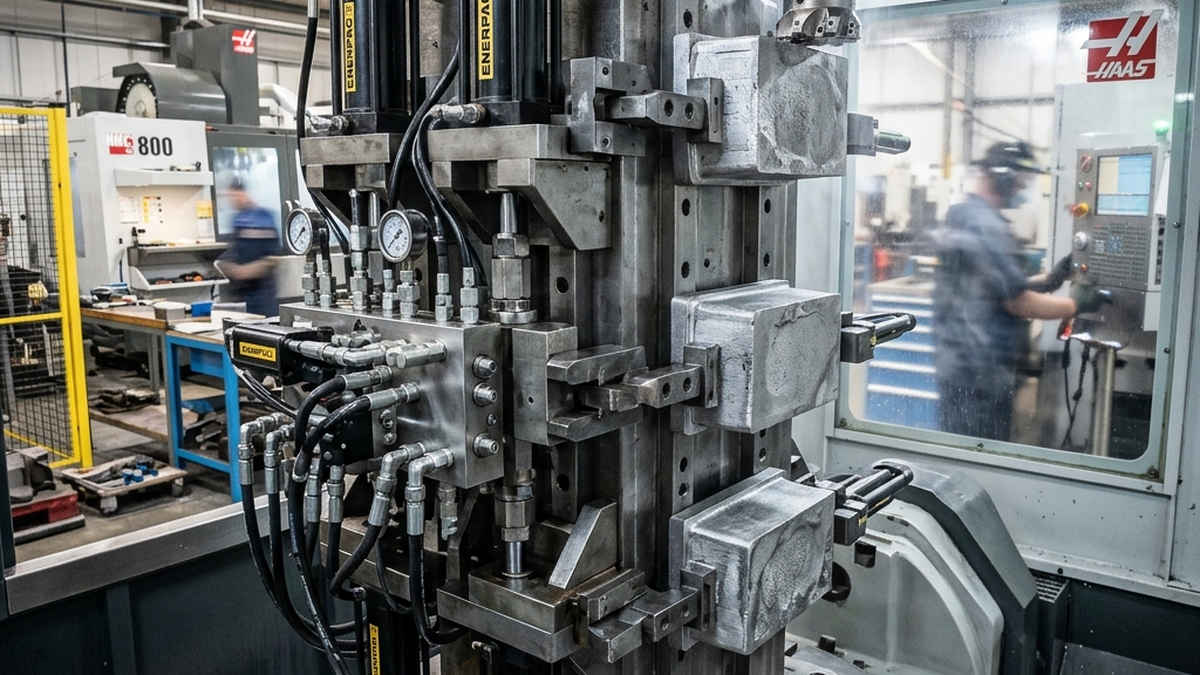
For production, you invest in custom fixtures. A good fixture holds the part in the exact same position every time. It also speeds up load/unload to 10-15 seconds.
- Soft jaws: Custom-machined vise jaws that match your part. $50-$200. Good for 25-500 parts.
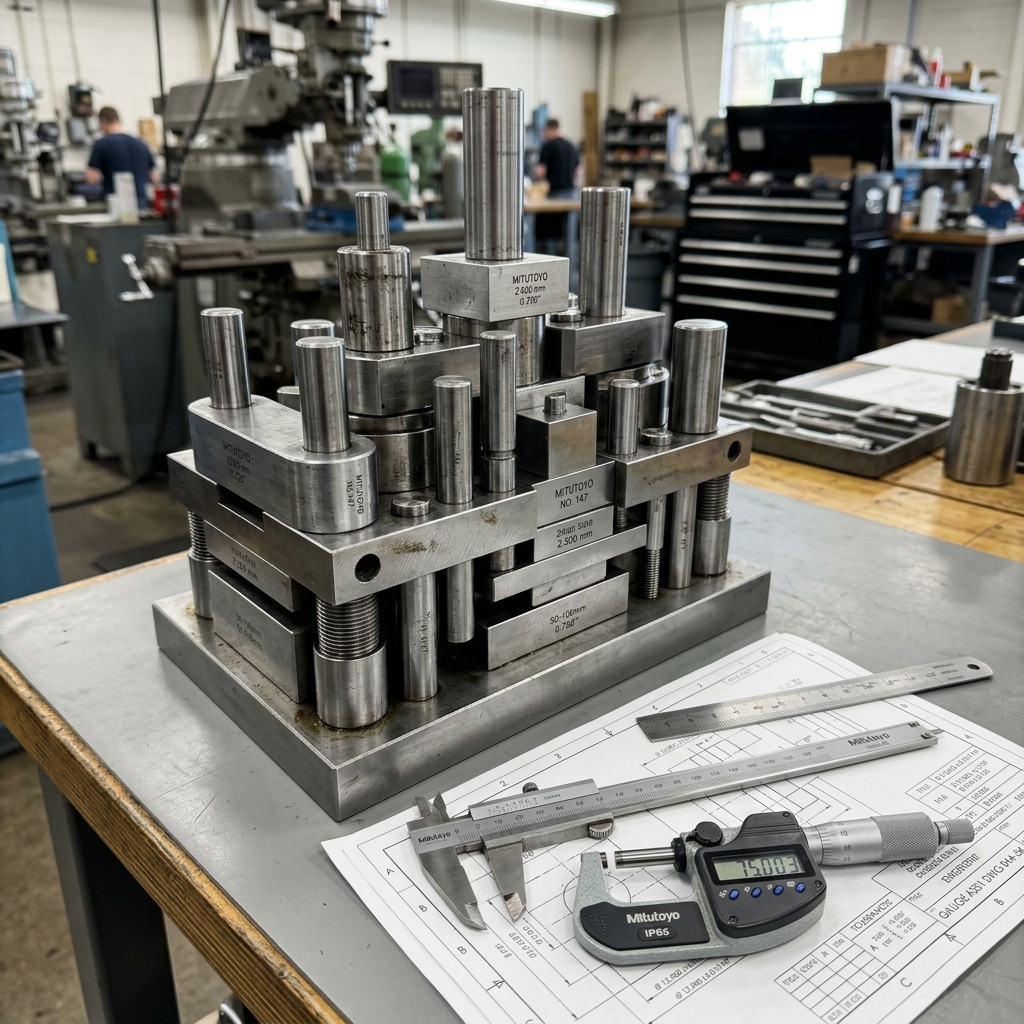
- Dedicated fixture: A plate with locating pins and clamps built for your part. $200-$2,000. Good for 500+ parts.
- Multi-part fixture: Holds 2-8 parts at once. $500-$5,000. Pays for itself fast at high volumes.
A $1,000 fixture that saves 2 minutes per part pays for itself in 50 parts at $10/min machine rate. After that, every part is cheaper.
Tolerance Strategy
For prototypes, you can hold tight tolerances on every feature. The cost difference is small on 5 parts. But on 500 parts, every extra tenth of a thousandth adds up.
Smart production tolerance strategy:
- Tighten only what matters. Mating surfaces, bearing bores and seal grooves need tight tolerances. Outer surfaces usually do not.
- Use GD&T. Geometric tolerances let you specify what actually matters (position, flatness, concentricity) instead of blanket dimension tolerances.
- Set up SPC. Statistical process control tracks trends. If the machine drifts, you catch it before parts go out of spec.
Many prototype drawings carry over tight tolerances to production without review. This wastes money. Before your first production run, go through every tolerance and ask: does this feature actually need this spec?
Material Sourcing
For prototypes, shops cut from whatever stock they have on the shelf. This is fast but wastes material. A 2"x2"x1" part might get cut from a 3"x6" bar.
For production, you order material in the right size. Near-net blanks reduce machining time. Bar stock works with bar feeders for automated turning.
- Prototyping: Off-the-shelf plate or bar. Higher material waste. Fast delivery.
- Production: Ordered to size. Lower waste. May need 1-2 week material lead time.
- High volume: Buy direct from the mill. Best pricing. 4-8 week lead time.
Pricing at Different Volumes
Per-part price drops as volume goes up. The biggest drops happen in the first 25-100 parts. After that, the curve flattens.
| Volume | Typical Per-Part Cost | Why |
|---|---|---|
| 1 part | $150 - $500 | Full setup + programming cost on one part |
| 5 parts | $80 - $300 | Setup cost spread across 5 |
| 25 parts | $50 - $150 | Optimized program, soft jaws |
| 100 parts | $25 - $80 | Custom fixture, bulk material |
| 500 parts | $15 - $50 | Multi-part fixture, optimized cycle time |
| 1,000+ parts | $8 - $35 | Full production optimization, bar feeders |
The jump from 1 to 25 parts usually drops the price by 50-70%. The jump from 25 to 1,000 drops it another 50-70%. Plan your volumes accordingly.
Making the Transition From Prototype to Production
Here is a smart approach to scaling up:
- Start with 5-10 prototypes to validate the design. Use standard fixturing and general-purpose tools.
- Run a pilot batch of 25-50 with soft jaws. This is where you work out process issues and establish inspection criteria.
- Invest in production tooling at 100+ parts. Custom fixtures, optimized programs and part-specific cutting tools.
- Set up quality systems at 500+ parts. First article inspection, SPC and CMM inspection on a sampling basis.
RivCut handles every stage from rapid prototyping to full production runs. We keep your tooling and programs on file so reorders are fast and consistent. Upload your CAD file to get started.
Frequently Asked Questions
How much cheaper is production machining than prototyping?
Per-part cost typically drops 50-80% from prototype to production volumes. The exact savings depend on part complexity and material.
When should I invest in custom fixtures?
When you expect to make 100+ parts. Soft jaws make sense at 25+ parts. Dedicated fixtures pay for themselves fast above 100.
Can I use the same shop for prototypes and production?
Yes. Using the same shop means they already know your part, have the programs and can scale without re-learning. This saves time and reduces errors.
How long does it take to ramp from prototype to production?
Typically 2-4 weeks. This includes building fixtures, optimizing programs and running a first article. If the part was already prototyped at the same shop, it goes faster.
What quality checks are needed for production runs?
At minimum: first article inspection (FAI), in-process checks and final inspection. For critical parts, add CMM measurement and statistical process control (SPC).