Why Startups Need CNC Machining
3D printing gets you started. But it cannot get you to market. CNC machining makes parts from real production materials. They are strong, precise and ready for the real world.
Silicon Valley startups face a unique pressure. Investors want speed. Customers want quality. CNC machining delivers both. You get functional parts in days, not weeks.
Bay Area CNC shops understand startup timelines. Many offer expedited prototyping because they know your demo day or investor meeting cannot wait.
Common Startup Parts
Hardware startups need similar types of parts. Here are the most common CNC jobs we see from Silicon Valley teams:
| Part Type | Typical Material | Quantity | Lead Time |
|---|---|---|---|
| Enclosures | 6061 Aluminum | 5-50 | 5-7 days |
| Heat sinks | 6063 Aluminum | 10-100 | 5-10 days |
| Mounting brackets | 304 Stainless | 10-200 | 3-5 days |
| Sensor housings | 6061 Aluminum | 5-25 | 5-7 days |
| Structural frames | 7075 Aluminum | 5-20 | 7-10 days |
| Shafts & pins | 4140 Steel | 10-50 | 3-5 days |
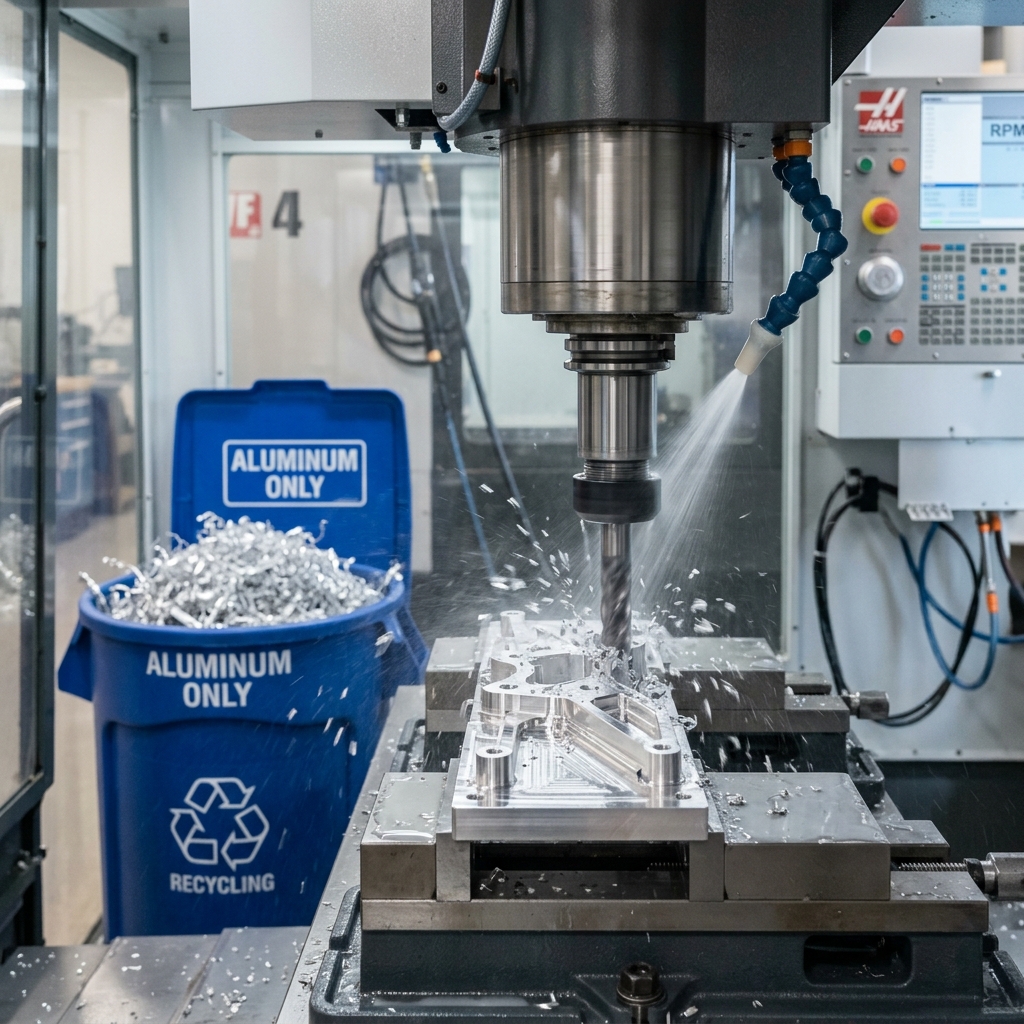
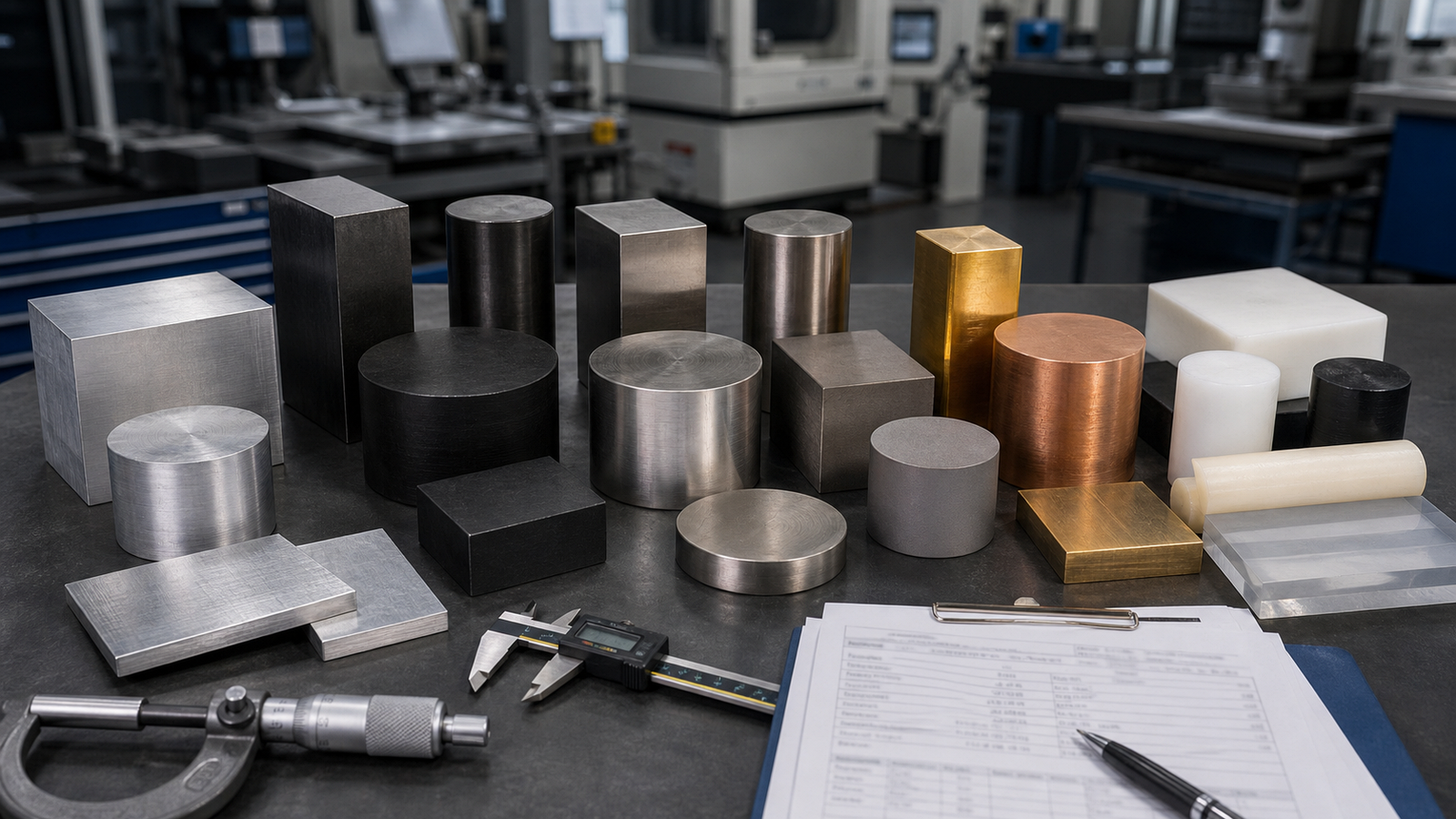
Most startup parts use aluminum. It machines fast, costs less and works for most applications. Switch to steel or titanium only when you need the extra strength.
Rapid Prototyping
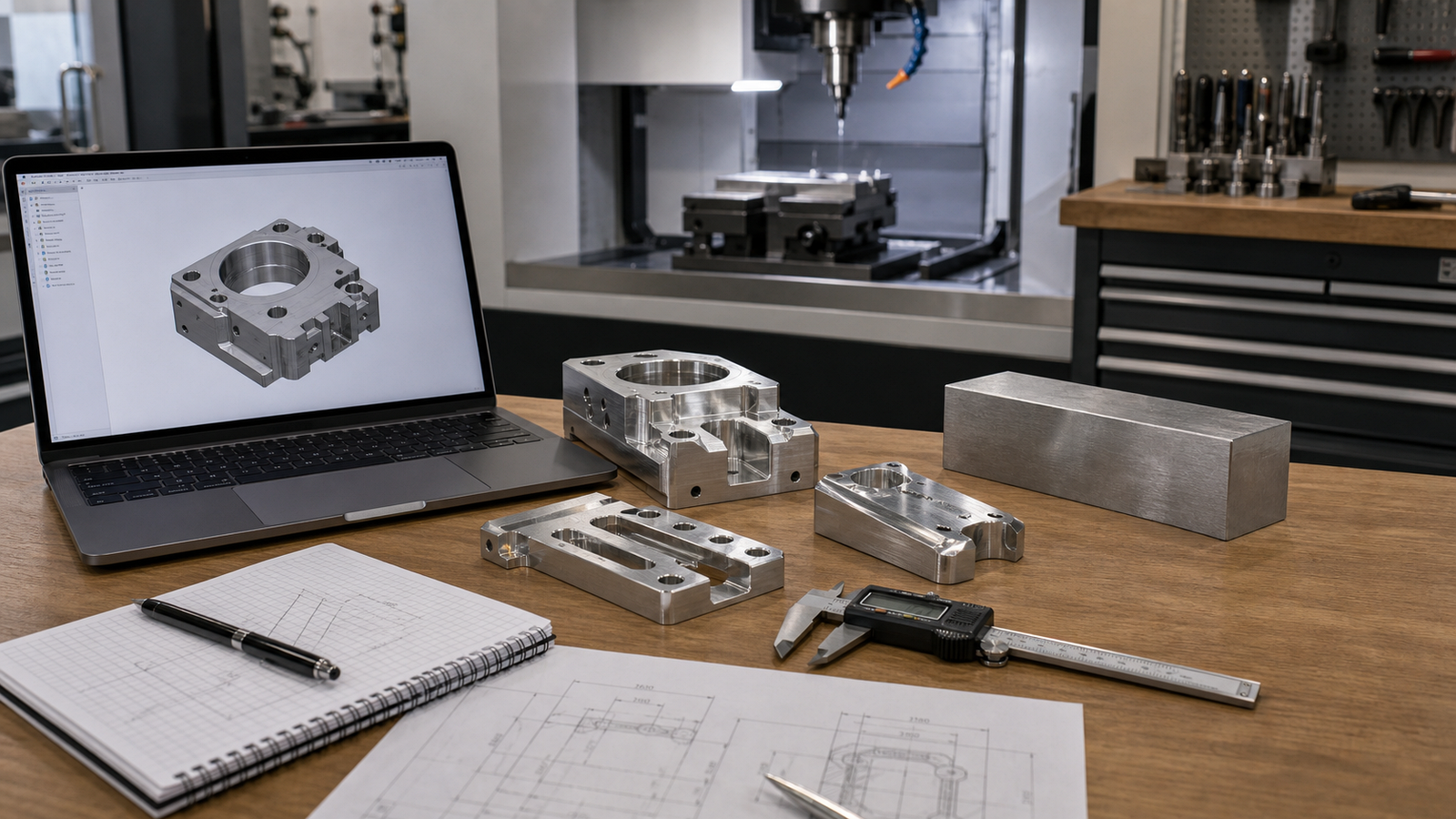
Your first CNC order should be small. Order 1-5 parts to check fit and function. This is your proof-of-concept run.
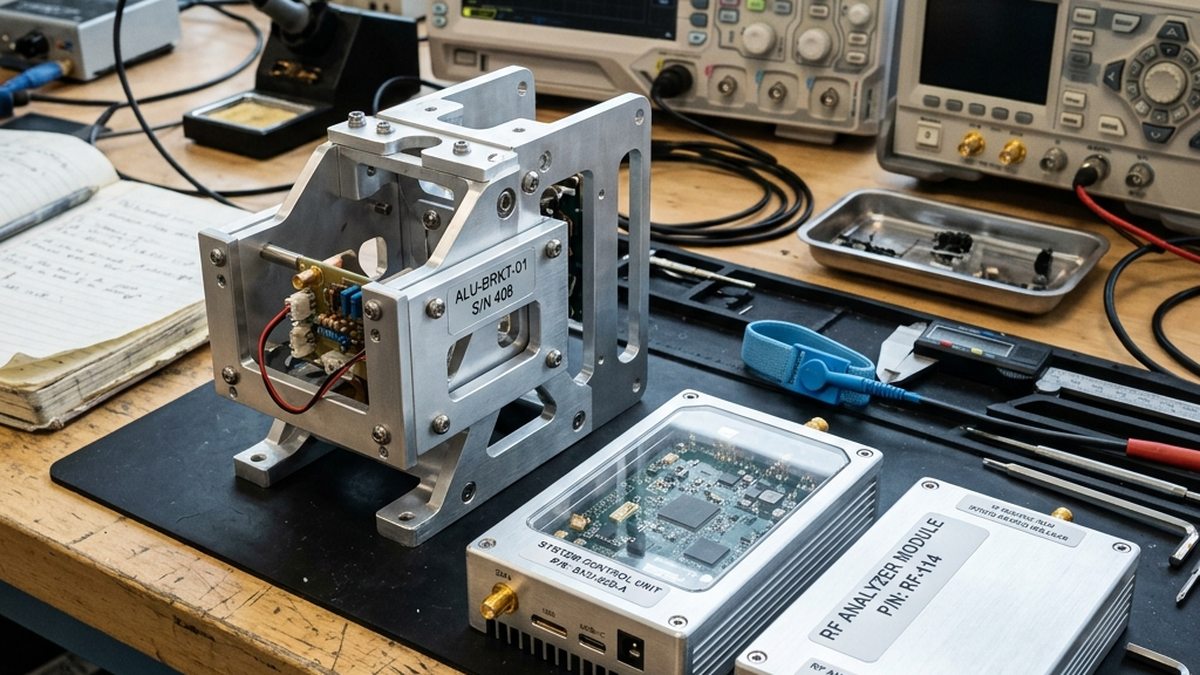
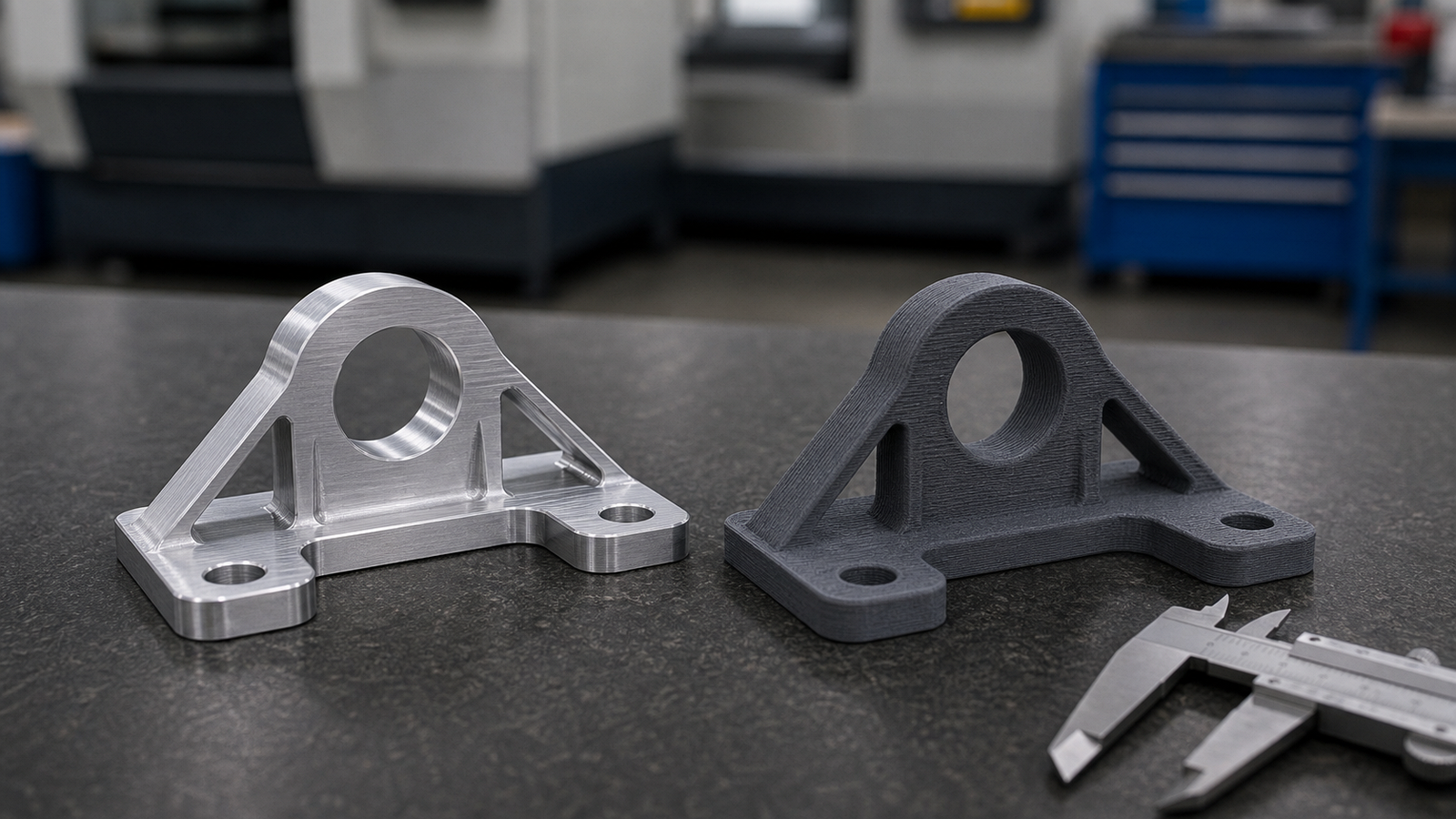
Here is what makes CNC prototyping different from 3D printing:
- Real materials, Parts behave like production parts
- Tight tolerances, Down to 0.001 inches
- Surface finish, Smooth, consistent and ready for anodizing
- Strength, Parts survive drop tests and real-world stress
- Repeatable, Every part matches the CAD file exactly
CNC vs 3D Printing: When to Switch
Use 3D printing for early form checks. Switch to CNC when:
- You need parts that survive mechanical testing
- Tolerances matter more than speed
- You want to test the actual production material
- Your investor demo needs to look and feel real
- You are ready to show the part to potential customers
DFM Support for Startups
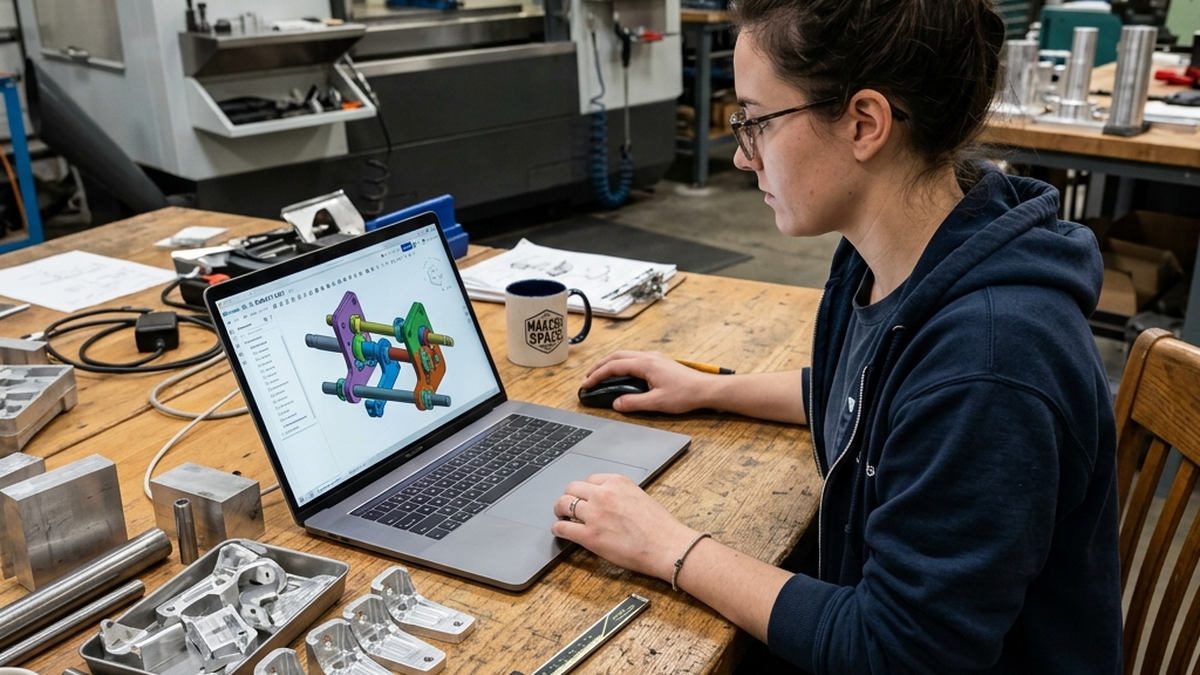
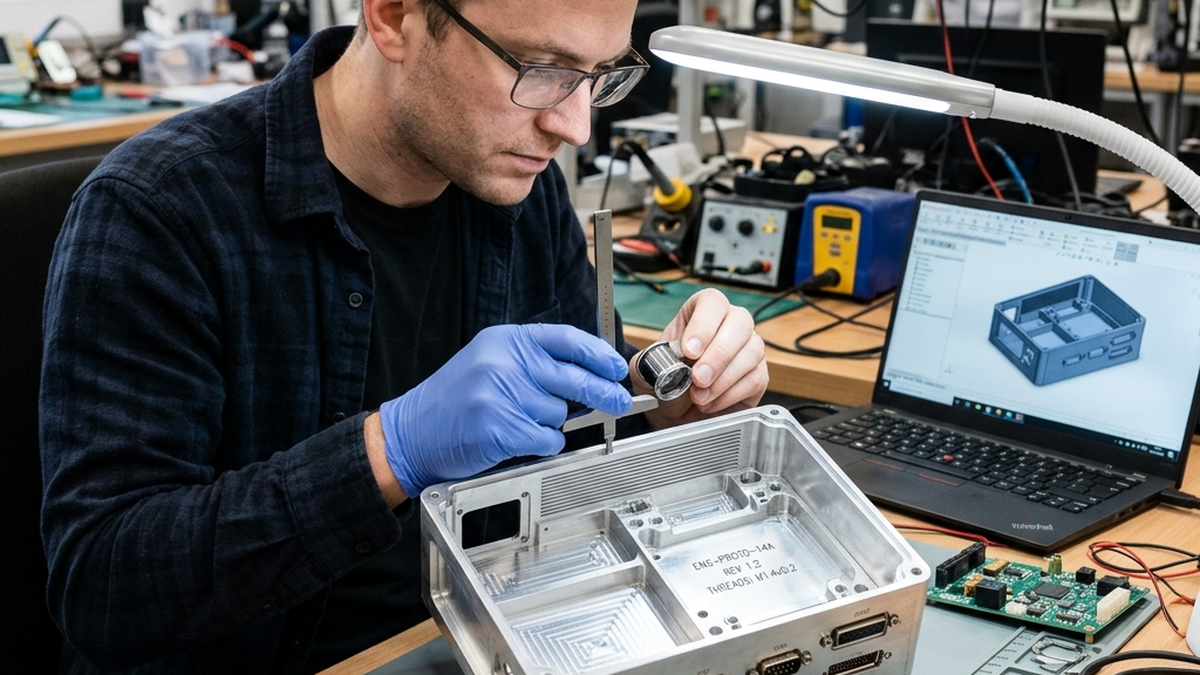
Design for manufacturability saves you time and money. A good CNC shop reviews your design before cutting. They spot problems you would find later in production.
Common DFM fixes for startup parts:
- Wall thickness, Walls under 0.5mm flex or break during machining
- Corner radii, Sharp internal corners need EDM. Add a radius instead.
- Tolerances, Tighter tolerances cost more. Only use them where fit matters.
- Undercuts, Some features need special tooling. Redesign to avoid them.
- Thread depth, Use standard tap sizes. Avoid custom thread specs.
Many startups design parts for 3D printing, then try to CNC them without changes. CNC has different rules. Ask your shop for a DFM review before ordering.
Bridge Production
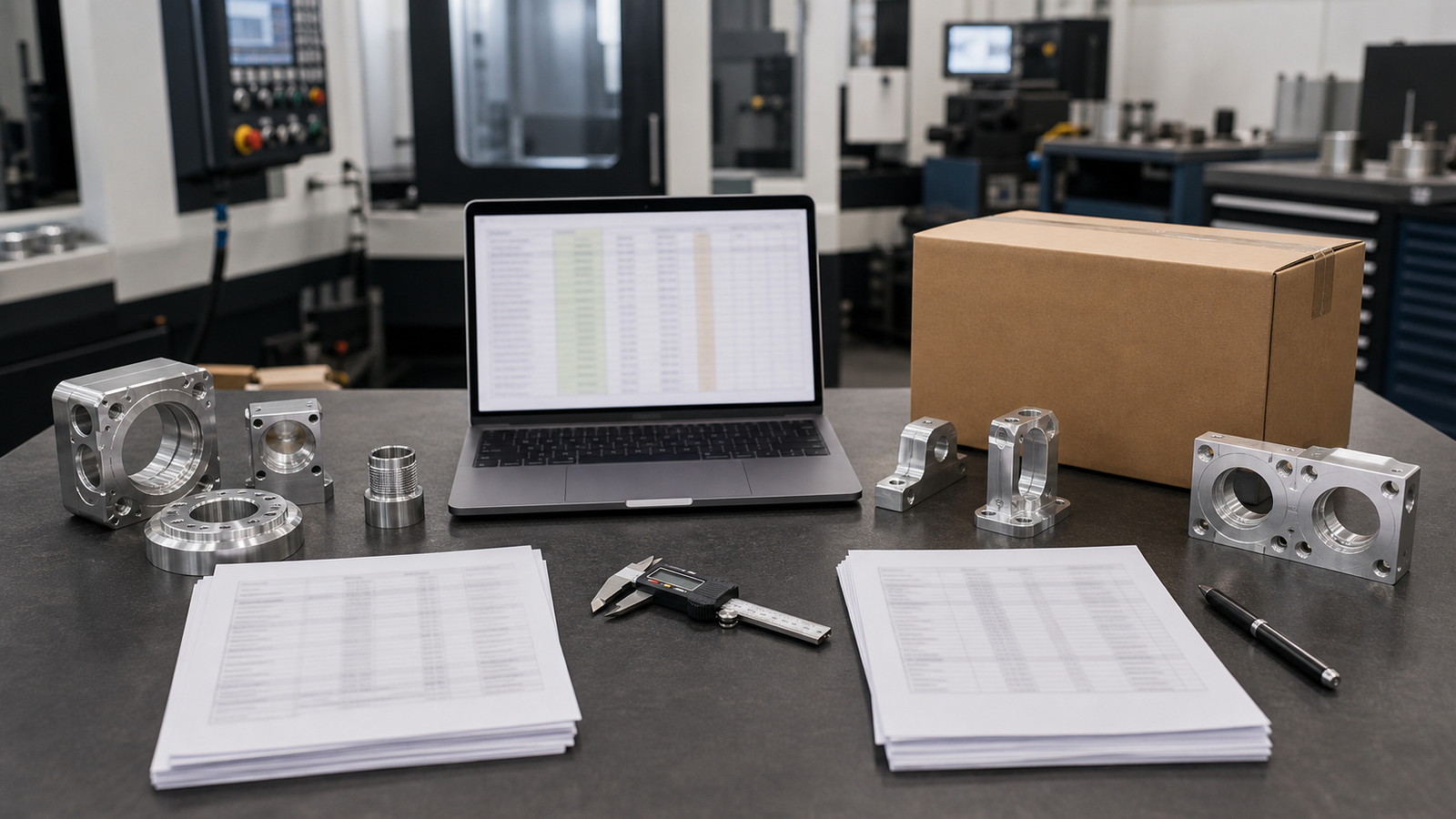
Bridge production fills the gap between prototyping and full production. You make 50-500 parts using production-intent processes. This lets you ship to early customers.
Bridge production works because:
- You ship product while setting up high-volume tooling
- Revenue starts flowing before you scale
- You catch quality issues early at smaller volumes
- Customer feedback drives design changes before you commit
| Stage | Quantity | Purpose | Timeline |
|---|---|---|---|
| Concept prototype | 1-3 | Validate design intent | 1-2 weeks |
| Functional prototype | 5-10 | Test real performance | 1-2 weeks |
| Pilot batch | 25-50 | Validate production process | 2-3 weeks |
| Bridge production | 100-500 | Ship to early customers | 3-4 weeks |
| Full production | 500+ | Scale with optimized cost | 4-6 weeks |
Scaling to Volume
When demand grows, your CNC shop scales with you. Here is what changes at higher volumes:
- Dedicated fixtures, Custom jigs cut setup time per part
- Optimized programs, Faster tool paths reduce cycle time
- Bulk material, Buying more stock lowers material cost
- Batch scheduling, Running parts in groups saves changeover time
Prices drop 20-40% when you go from 10 parts to 100 parts. Another 15-25% drop from 100 to 500 parts. Volume pricing is real.
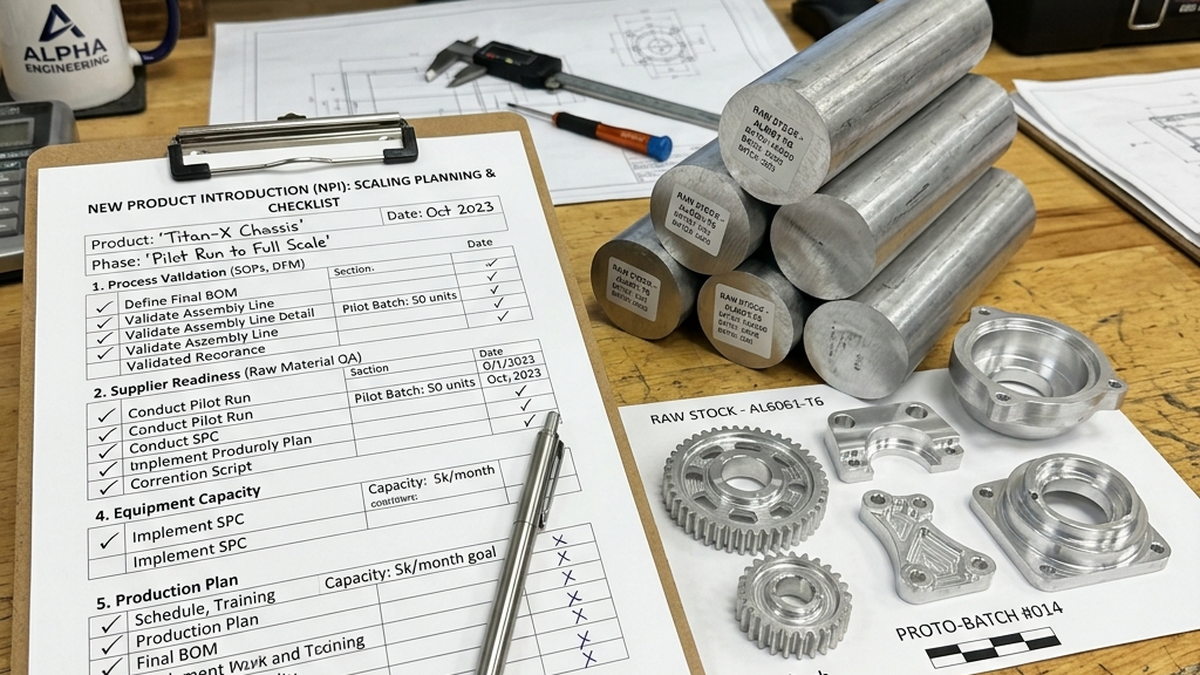
The best startup-shop relationships start at prototype and grow into production. One shop that knows your parts, your materials and your standards is worth more than three shops competing on price.
Frequently Asked Questions
What CNC parts do startups need most?
Enclosures, heat sinks, brackets, sensor housings and structural frames. Most are aluminum. Robotics startups also need gears, shafts and actuator housings.
How fast can I get prototypes?
Simple aluminum parts ship in 3-5 days. Rush orders can ship in 1-2 days. Complex multi-axis parts take 5-10 days.
What is bridge production?
It fills the gap between prototyping and full production. You make 50-500 parts to ship to early customers while planning larger volumes.
How much does prototype machining cost?
Simple parts cost $50-200 each for 1-5 pieces. Complex parts run $500-2,000 each. Prices drop fast at 25+ units.
Should I use CNC or 3D printing?
Use 3D printing for early form checks. Switch to CNC when you need real materials, tight tolerances, or functional testing. CNC parts behave like production parts.