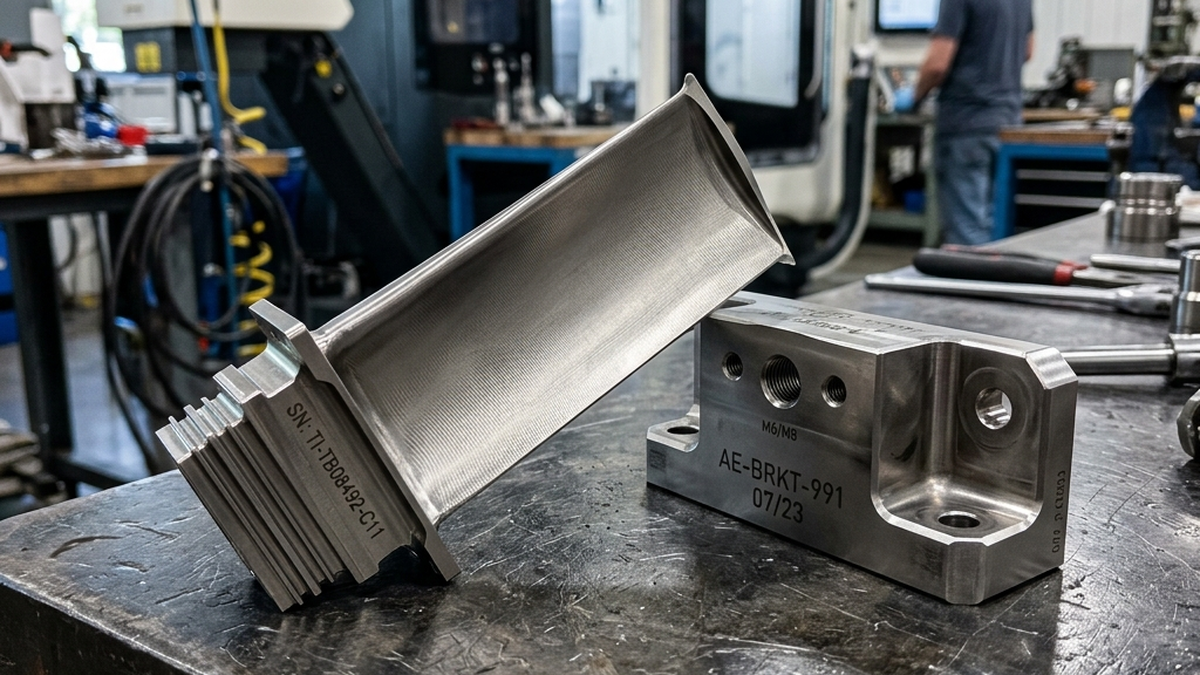
Why Titanium?
Titanium is 45% lighter than steel but just as strong. It does not rust -- even in saltwater. It handles extreme heat. And it is safe for the human body. No other metal offers this combination.
That is why aerospace, medical, marine and chemical industries pay the premium. When failure is not an option, titanium is often the only choice.
Grade 2 vs Grade 5: Which Do You Need?
Most titanium CNC work uses Grade 2 or Grade 5. They are very different materials. Picking the right one saves you money and time.
| Property | Grade 2 (CP) | Grade 5 (Ti-6Al-4V) |
|---|---|---|
| Type | Commercially Pure | Alpha-Beta Alloy |
| Tensile Strength | 345 MPa (50 ksi) | 950 MPa (138 ksi) |
| Machinability | Easier | Harder |
| Corrosion Resistance | Excellent | Very Good |
| Weldability | Excellent | Good |
| Biocompatible | Yes | Yes |
| Raw Material Cost | $15-25/lb | $25-50/lb |
| Best For | Corrosion-resistant parts, marine, chemical | Structural, aerospace, high-load parts |
Grade 2: The Corrosion Fighter
Grade 2 is pure titanium. It is softer and easier to machine. Choose it when you need corrosion resistance but not extreme strength. It works great for chemical processing equipment, marine hardware and heat exchangers.
Grade 5: The Workhorse
Grade 5 (Ti-6Al-4V) makes up over 50% of all titanium used worldwide. It is nearly three times stronger than Grade 2. Use it for aerospace brackets, engine mounts, medical implants and any part that needs to be both strong and light.
Need corrosion resistance? Use Grade 2. Need strength? Use Grade 5. Not sure? Ask us -- we will help you pick the right grade for free during our DFM review.
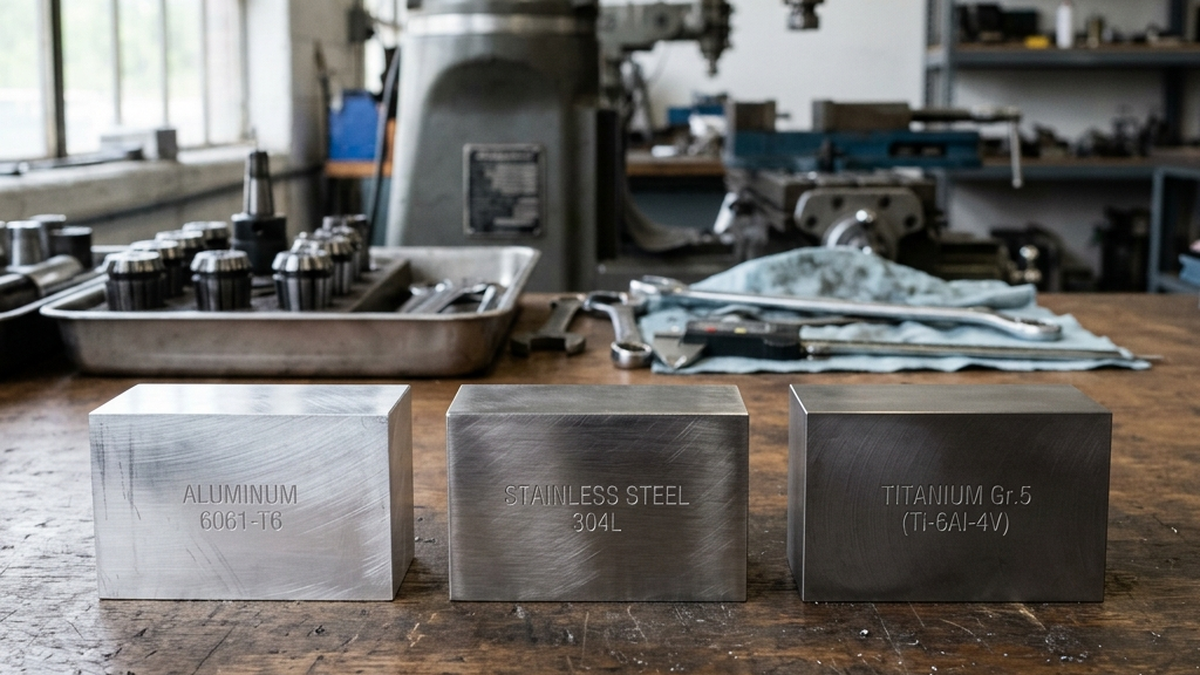
What Drives the Cost?
Titanium parts cost 5-10 times more than the same part in aluminum. Here is where the money goes:
- Raw material: Titanium bar stock costs $15-50 per pound. Aluminum costs $2-4 per pound.
- Slow cutting speeds: Titanium machines at 100-200 SFM. Aluminum runs at 800-1500 SFM.
- Tool wear: End mills last 3-5 times shorter in titanium. Each tool costs $50-200.
- Rigid setups: Titanium needs heavy fixturing and stiff machines.
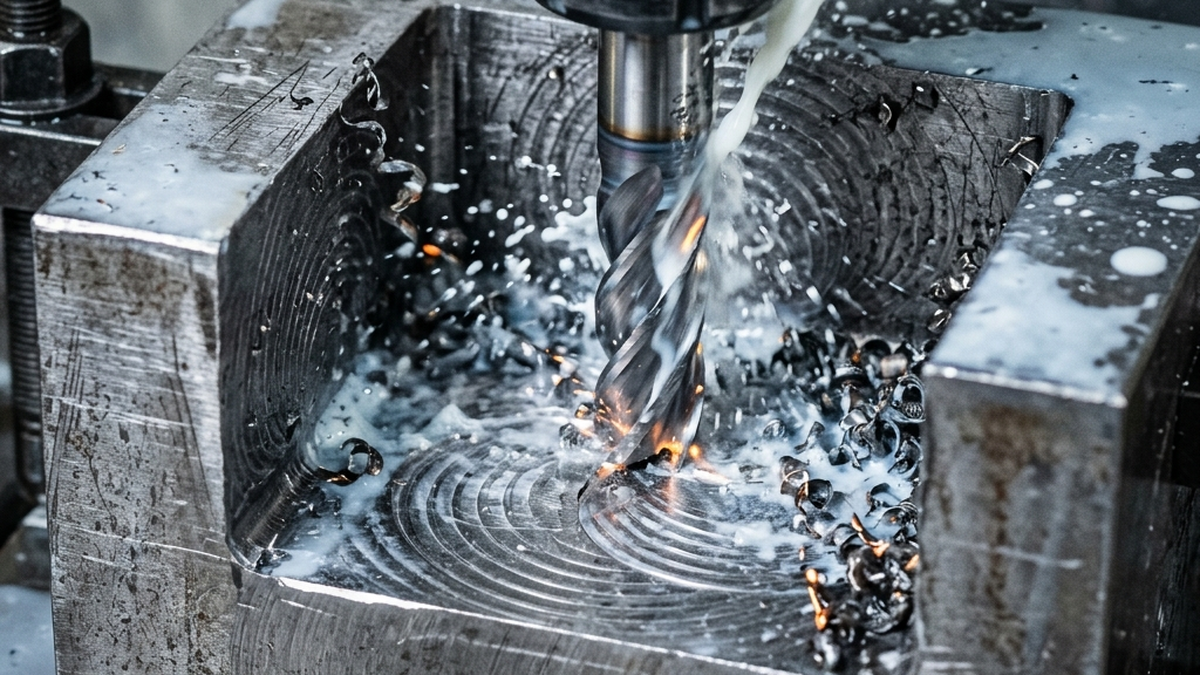
- Coolant: High-pressure through-tool coolant is required. Not every shop has it.
Design for machinability. Larger corner radii, thicker walls and shallower pockets all reduce cycle time. A small design change can save 20-40% on titanium parts. Get a free DFM review before you order.
Lead Times to Expect
Titanium jobs take longer than aluminum or steel. Plan for these timelines:
- Material sourcing: 3-7 days. Common grades are stocked. Exotic grades may need 2-4 weeks.
- Prototype (1-5 parts): 2-3 weeks from material in hand.
- Production (50+ parts): 4-6 weeks depending on complexity.
- Rush jobs: Possible but expensive. Expect a 30-50% premium.
Order material early. Titanium stock can have long lead times, especially for large round bar and plate. We can help you source material through our supply network.
Tips for a Successful Titanium Project
Whether you are machining titanium yourself or buying parts from a shop, these tips save time and money:
- Keep walls thick. Minimum 1mm (0.040"). Thin walls deflect and chatter.
- Use large radii. Bigger corner radii = bigger tools = faster cuts.
- Limit pocket depth. Stay under 4x the pocket width.
- Reduce tight tolerances. Only apply +/-0.001" where it truly matters.
- Avoid deep holes. Drilling over 5x diameter gets expensive fast.
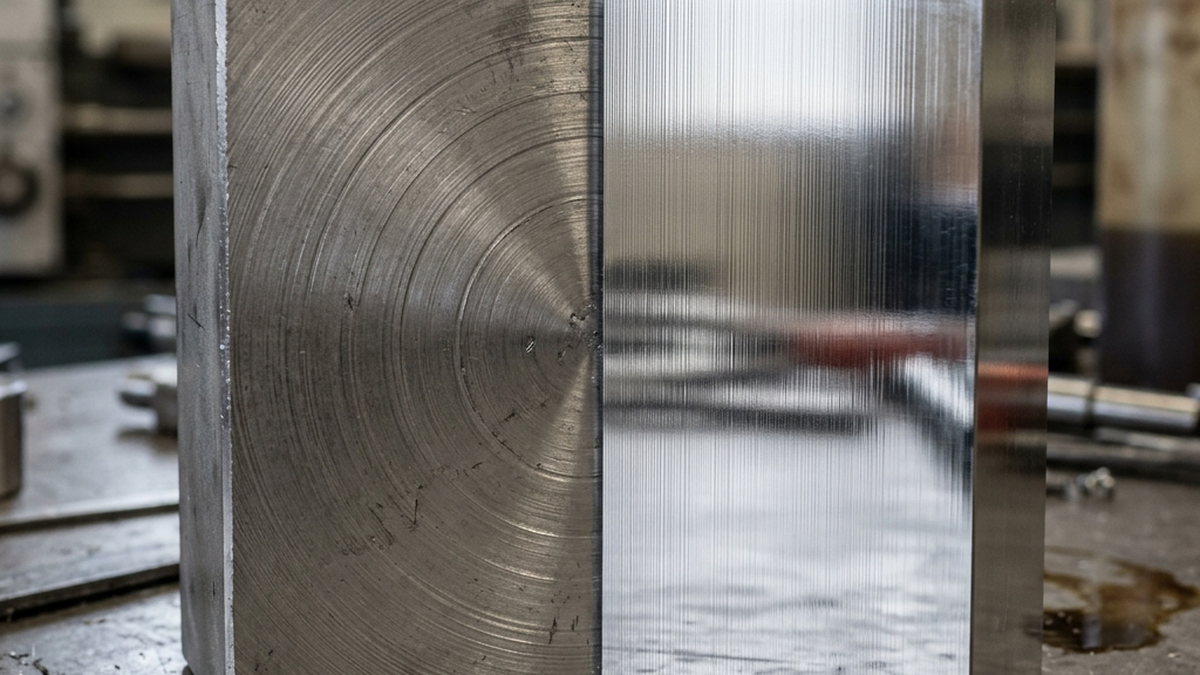
When Titanium Is Worth the Premium
Titanium makes sense when you need the specific combination of properties it offers. Here are the most common reasons buyers choose titanium:
- Weight-critical applications: Every gram counts in aerospace and drones.
- Corrosion in harsh environments: Saltwater, chlorine, acids.
- Biocompatibility: Medical implants and surgical tools.
- High-temp performance: Parts that see 600F+ and still need strength.
- Long service life: Titanium does not fatigue like aluminum in cyclic loading.
Cheaper Alternatives to Consider
Before committing to titanium, ask if a cheaper material might work. Here are common swaps:
| If You Need | Consider Instead | Cost Savings |
|---|---|---|
| Light weight only | 7075-T6 Aluminum | 80-90% less |
| Corrosion resistance | 316 Stainless Steel | 60-70% less |
| High strength | 4340 Alloy Steel | 70-80% less |
| Biocompatibility | 316L Stainless (limited) | 50-60% less |
None of these match titanium's full combination of properties. But if you only need one or two features, an alternative might be good enough at a fraction of the cost.
Frequently Asked Questions
How much does titanium CNC machining cost?
Titanium parts cost 5-10 times more than aluminum parts with the same geometry. The high cost comes from expensive raw material ($15-50 per pound), slow machining speeds, fast tool wear and the need for rigid setups. Grade 2 is cheaper to machine than Grade 5 because it is softer.
What is the difference between Grade 2 and Grade 5 titanium?
Grade 2 is commercially pure titanium. It is softer, easier to machine and costs less. Grade 5 (Ti-6Al-4V) is an alloy with aluminum and vanadium that is much stronger. Use Grade 2 for corrosion resistance. Use Grade 5 when you need high strength-to-weight ratio.
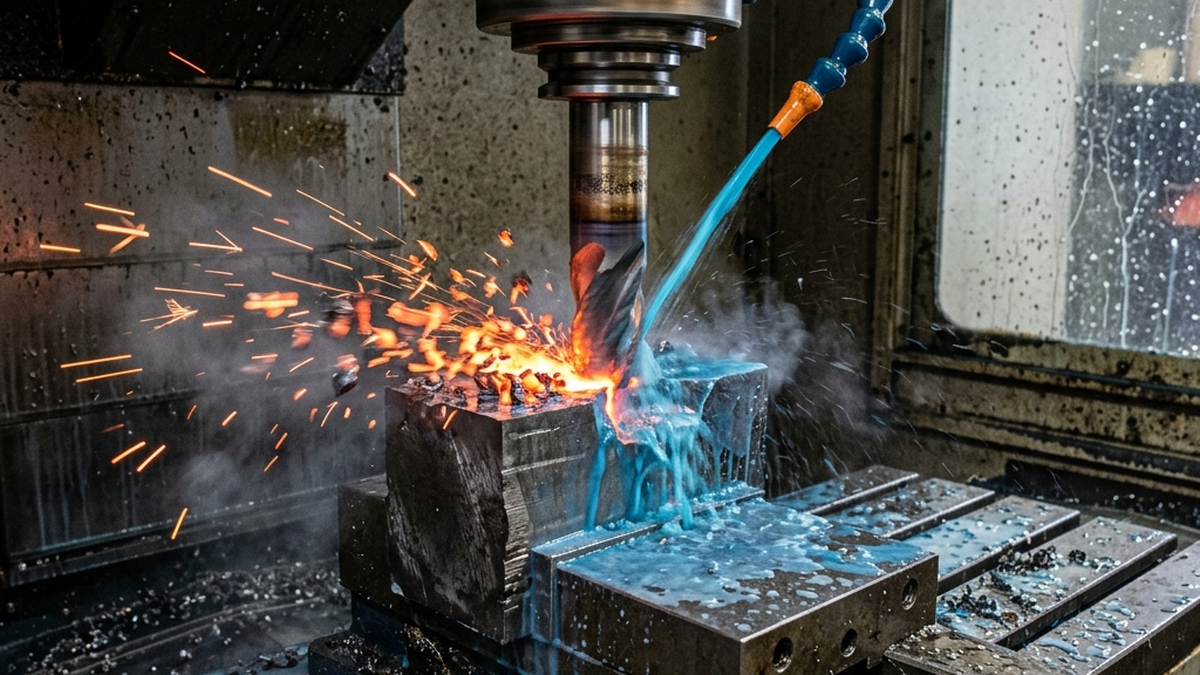
How long does titanium machining take?
Titanium takes 3-5 times longer to machine than aluminum. A part that takes 10 minutes in aluminum might take 30-50 minutes in titanium. Lead times are typically 2-4 weeks for prototypes, longer for production runs. Material availability can also add time.
Can any CNC shop machine titanium?
Not every shop can machine titanium well. You need rigid machines, high-pressure coolant systems, the right tooling and experienced programmers. Look for shops that regularly work with titanium and have aerospace or medical experience. Ask to see sample parts.
When is titanium worth the extra cost?
Titanium is worth it when you need the combination of high strength, low weight and corrosion resistance that no other metal can match. Common applications include aerospace structural parts, medical implants, marine hardware and chemical processing equipment where failure is not an option.
Ready to get titanium parts made? Upload your CAD file for instant pricing. We machine Grade 2 and Grade 5 daily in our shop.