The Waste Problem in CNC
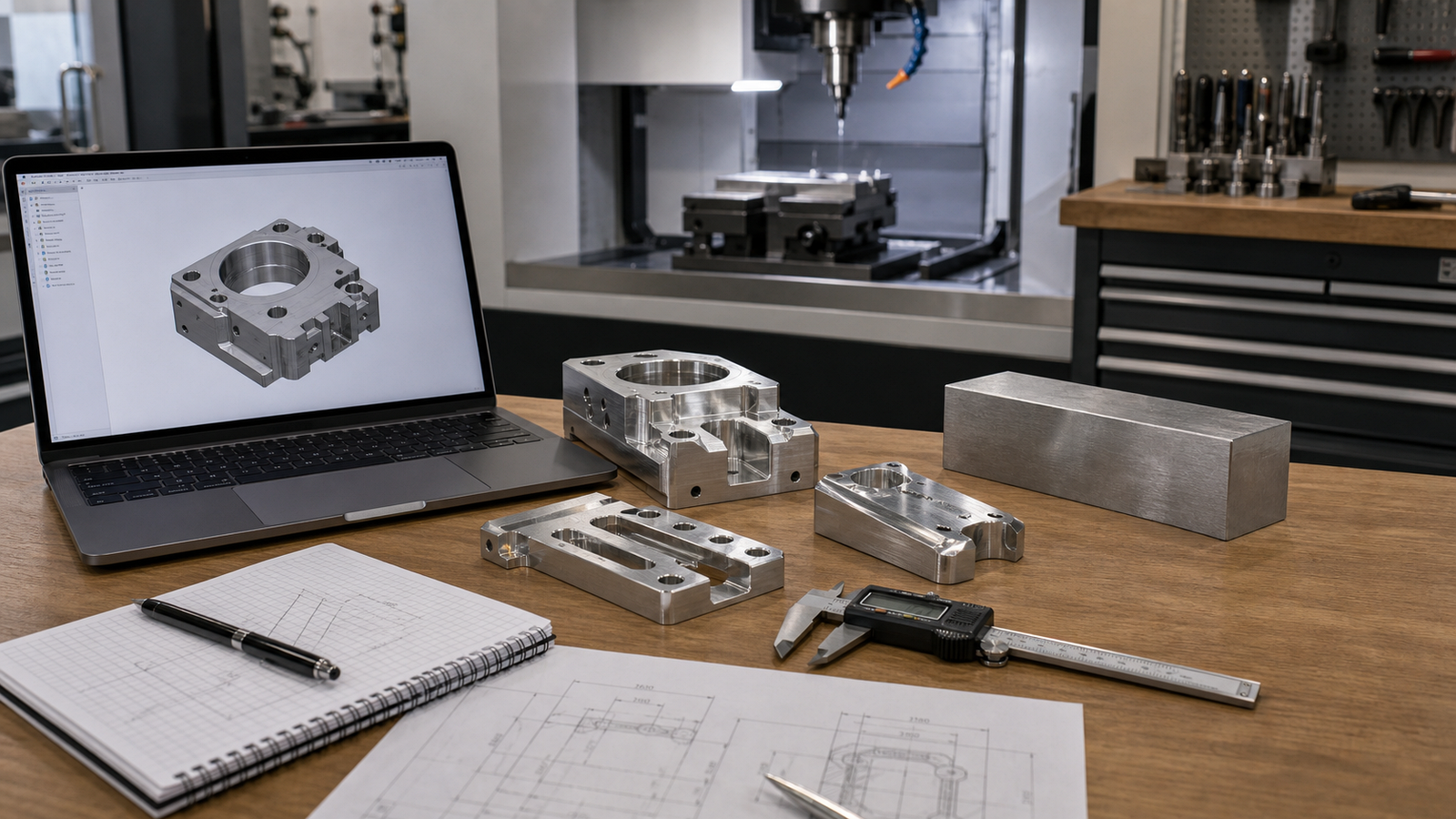
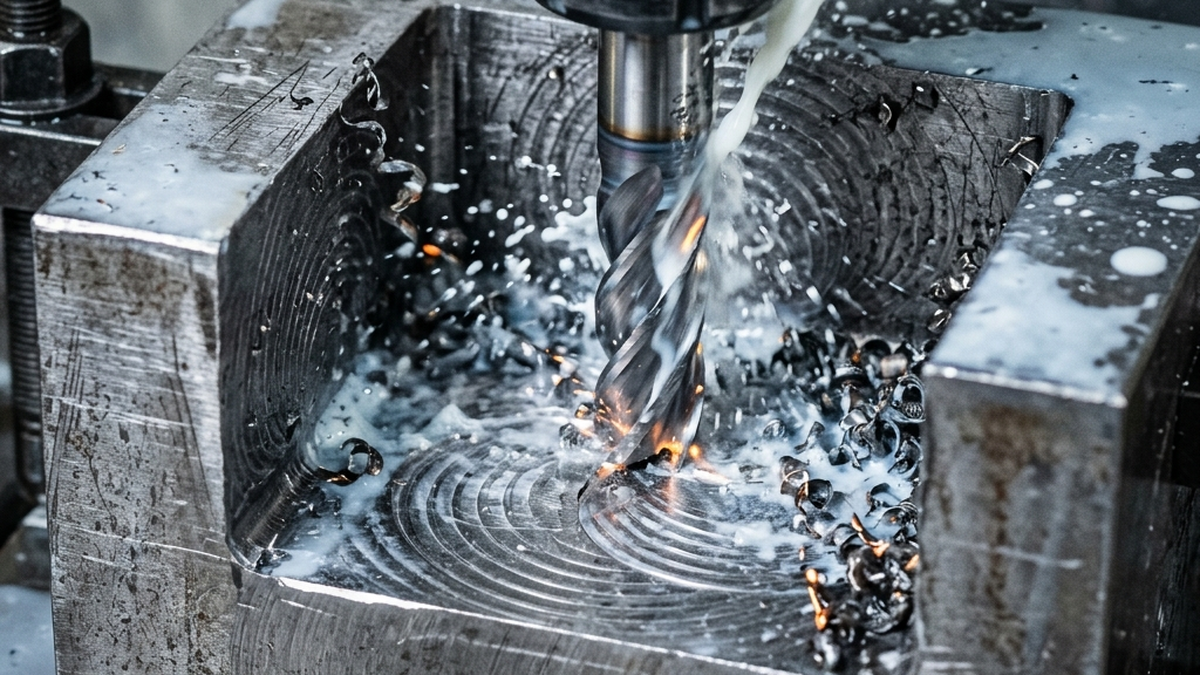
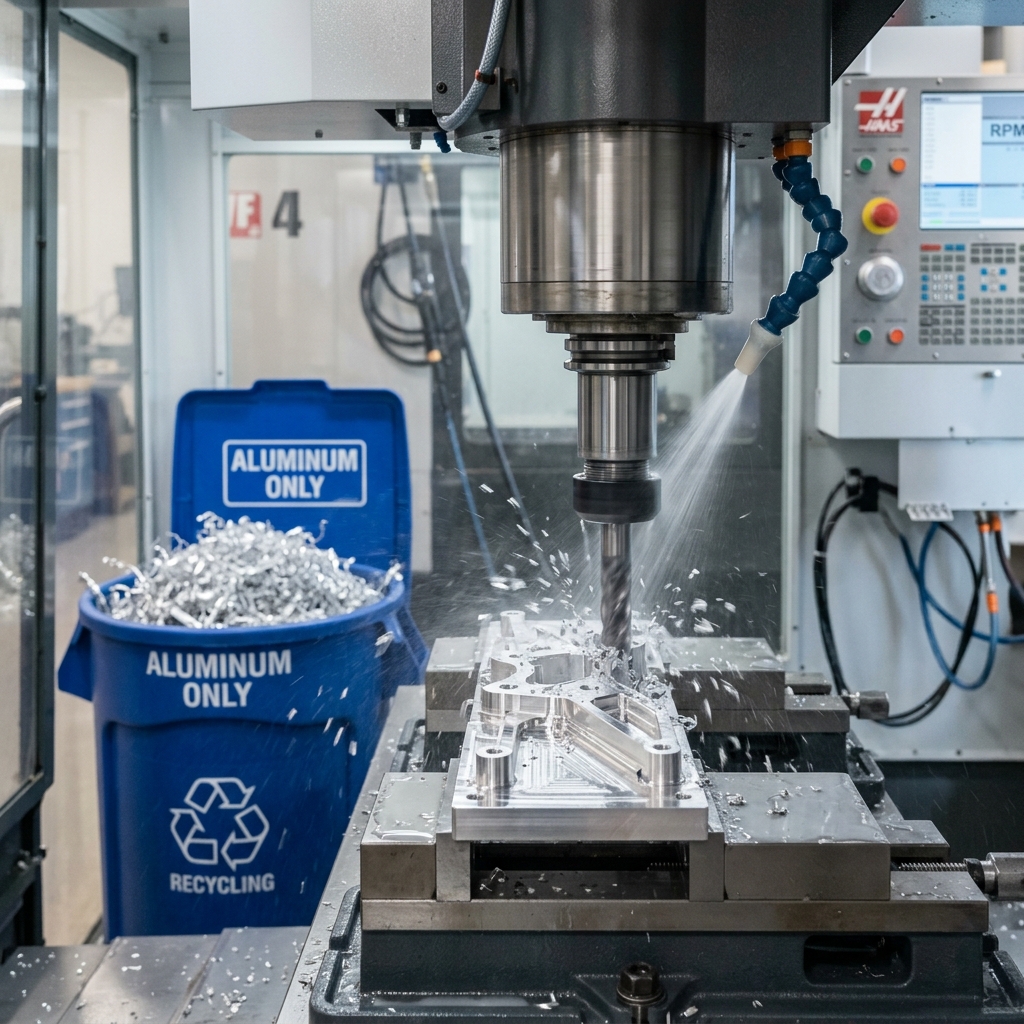
CNC machining is subtractive. You start with a block and cut away everything that is not the part. That means 60-80% of the material becomes chips.
A 2-pound aluminum part starts as a 6-pound block. Four pounds of metal become chips on the shop floor. Multiply that by thousands of parts and the waste adds up fast.
But waste is not inevitable. Smart shops turn this challenge into an opportunity.
Chip Recycling
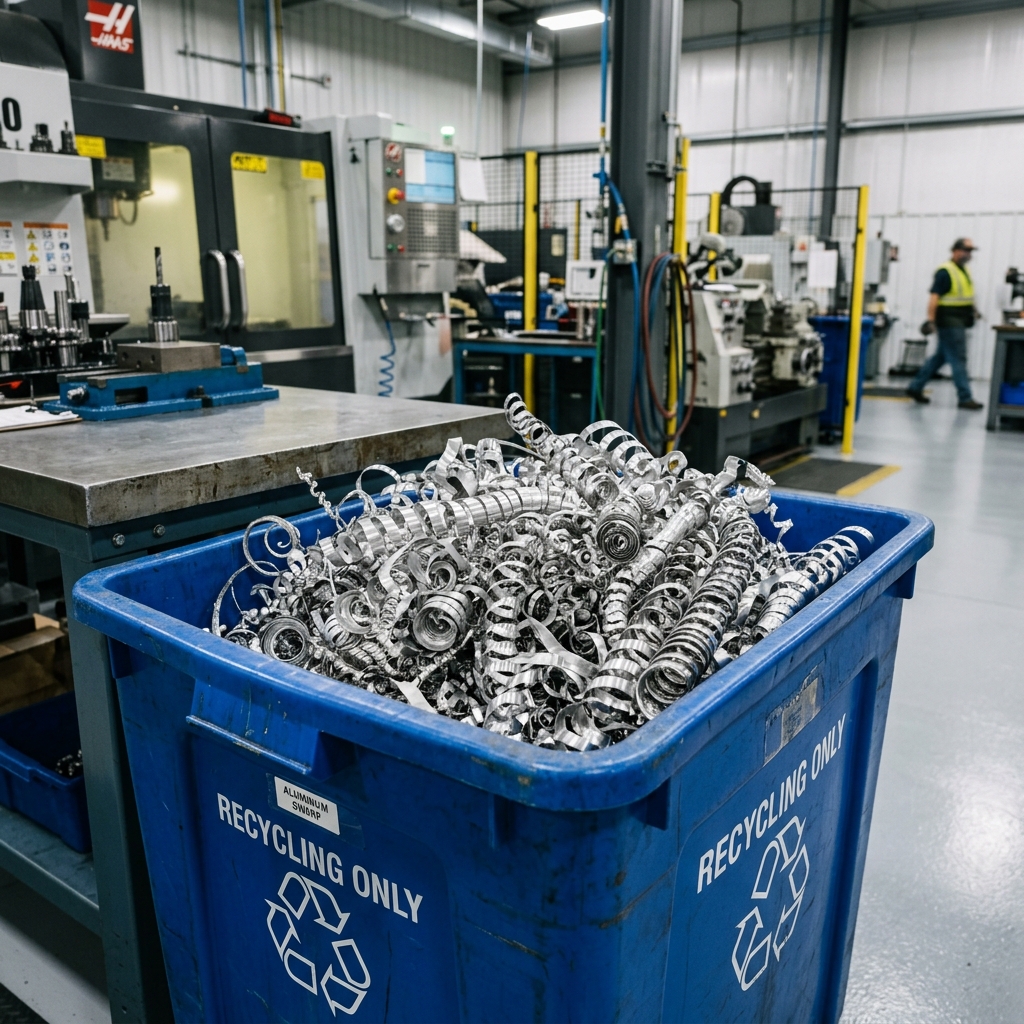
The good news: metal chips are almost 100% recyclable. Aluminum, steel, titanium and brass all have strong recycling markets.
| Material | Recycling Rate | Value per Pound | Energy Saved vs New |
|---|---|---|---|
| Aluminum | 95%+ | $0.30-0.80 | 95% less energy |
| Steel | 90%+ | $0.05-0.15 | 74% less energy |
| Titanium | 90%+ | $2.00-5.00 | 90% less energy |
| Brass | 95%+ | $1.00-2.00 | 85% less energy |
| Copper | 95%+ | $2.00-3.50 | 85% less energy |
Recycling aluminum saves 95% of the energy needed to make new aluminum. That is a huge environmental win. Good shops sort chips by alloy so they keep maximum value.
A busy CNC shop generates thousands of pounds of aluminum chips per month. At $0.50 per pound, that is real revenue. Recycling is not just green. It is profitable.
Coolant Management
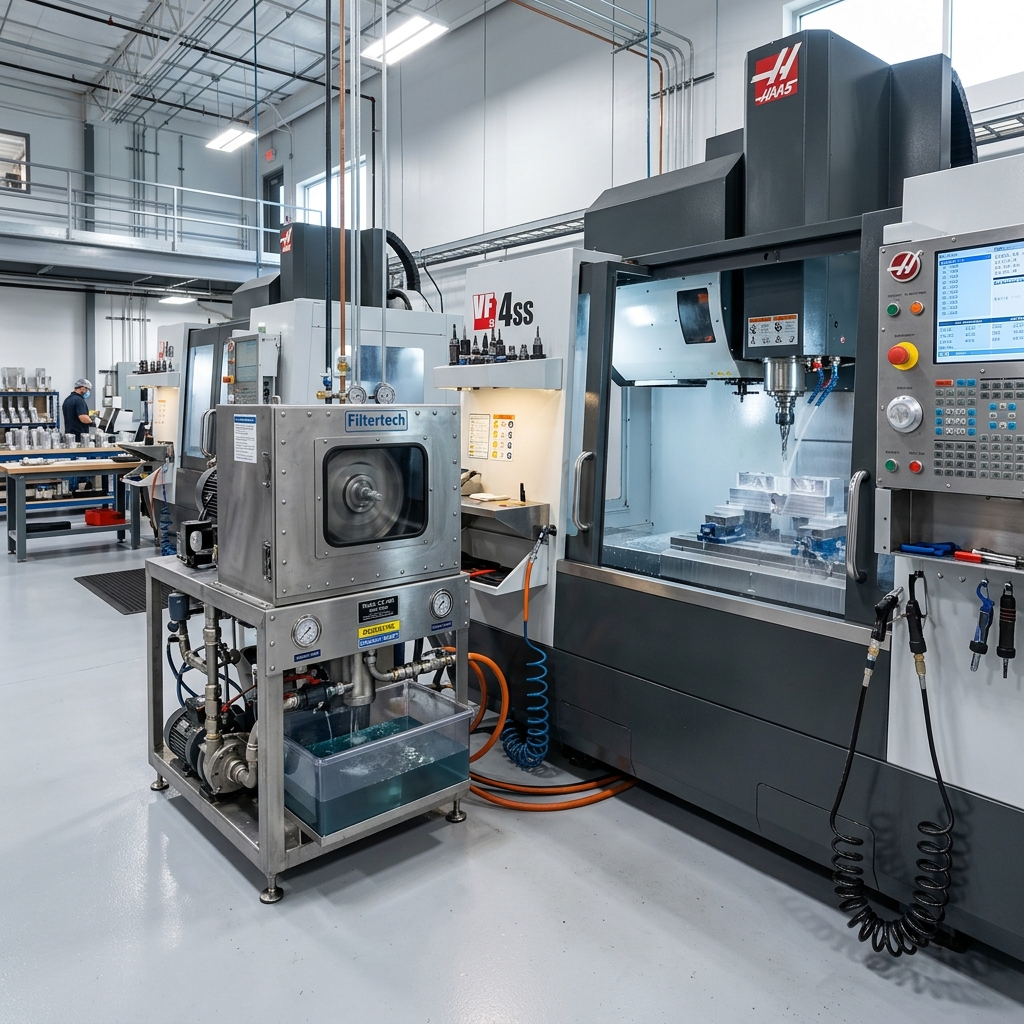
Coolant is the unsung hero of CNC machining. It keeps tools cool, flushes chips and improves surface finish. But it also creates waste if not managed well.
The Problem with Bad Coolant
- Old coolant grows bacteria that cause skin irritation and bad odors
- Tramp oil contamination reduces cooling ability
- Dumping coolant is an environmental hazard and costs money
- Replacing coolant frequently wastes chemicals and water
Modern Coolant Solutions
- Coolant recycling machines, Remove tramp oil and bacteria, extending life 3-5x
- Concentration monitoring, Sensors keep the mix ratio perfect for best performance
- Minimum quantity lubrication (MQL), Uses a fine mist instead of flood coolant
- Vegetable-based coolants, Biodegradable alternatives to petroleum-based fluids
Coolant cannot go down the drain. It must be collected and disposed of through licensed waste haulers. Shops that manage coolant well avoid disposal costs entirely by keeping their coolant alive for months or years.
Energy Reduction
CNC machines use electricity. A lot of it. A typical 3-axis mill draws 15-30 kW. A 5-axis machine can draw 40-60 kW. Running 8-12 hours a day, that adds up.
Here is how shops cut energy use:
- Newer machines, Modern spindle motors are 20-30% more efficient than older models
- LED lighting, Replacing shop floor fluorescents cuts lighting energy 50-70%
- Smart scheduling, Running machines during off-peak hours reduces demand charges
- Auto power-down, Machines that sleep when idle save 10-15% on energy bills
- Optimized tool paths, Efficient programs reduce air cutting and cycle time
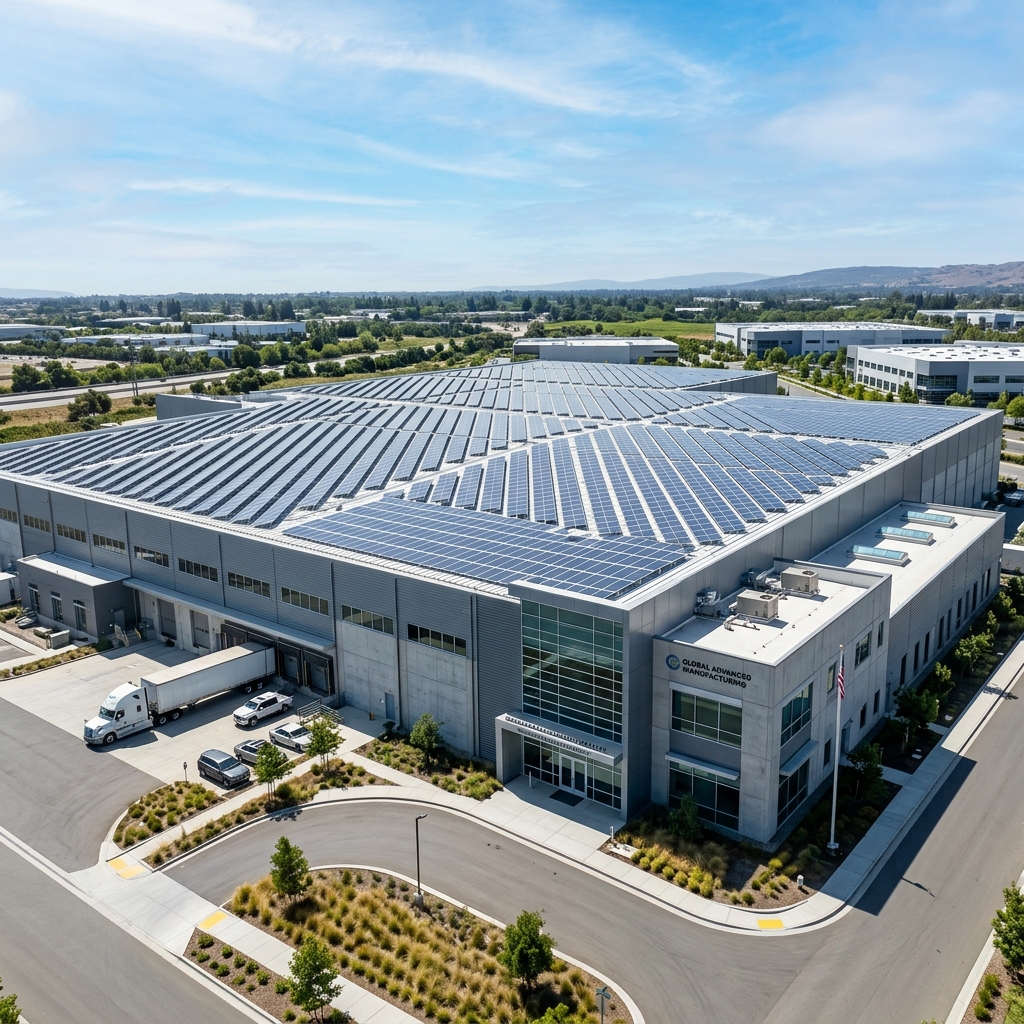
- Solar panels, Bay Area shops increasingly use rooftop solar to offset grid power
Design for Sustainability
Engineers can make parts more sustainable through smart design choices. Here is how:
Near-Net-Shape Blanks
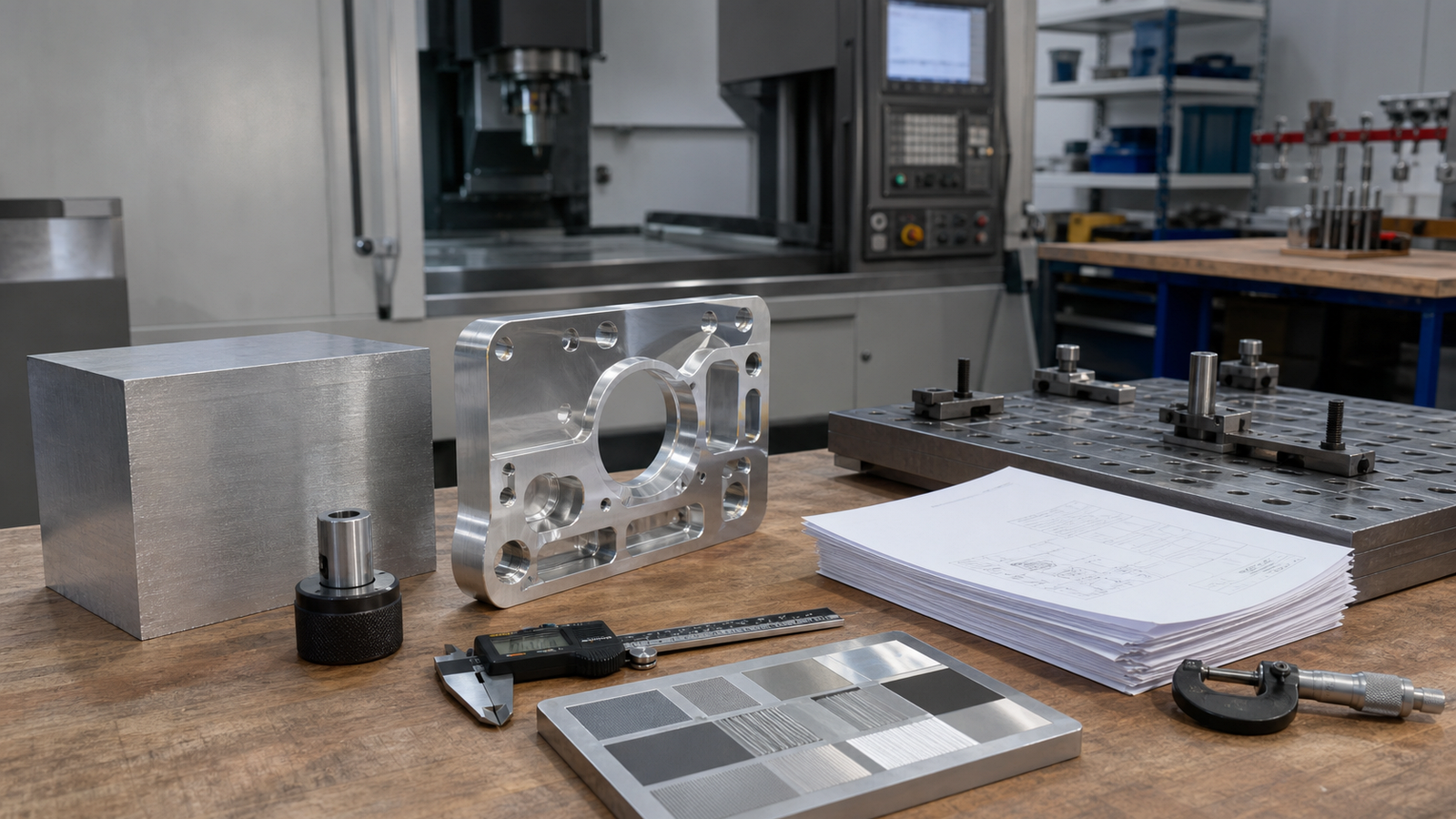
Start with a blank that is close to the final shape. A casting or forging removes less material than a solid block. Less material removed means less energy, less coolant and less waste.
Material Choice
Choose materials with high recycling rates. Aluminum and steel recycle well. Some specialty plastics do not. If sustainability matters, ask about material lifecycle.
Tolerance Optimization
Tighter tolerances need more passes, more time and more energy. Use tight tolerances only where function demands it. Standard tolerances on non-critical features save energy and cost.
The greenest part is the one you make right the first time. Scrap and rework double the environmental cost of every part. Good DFM practices are sustainability practices.
The Local Manufacturing Advantage
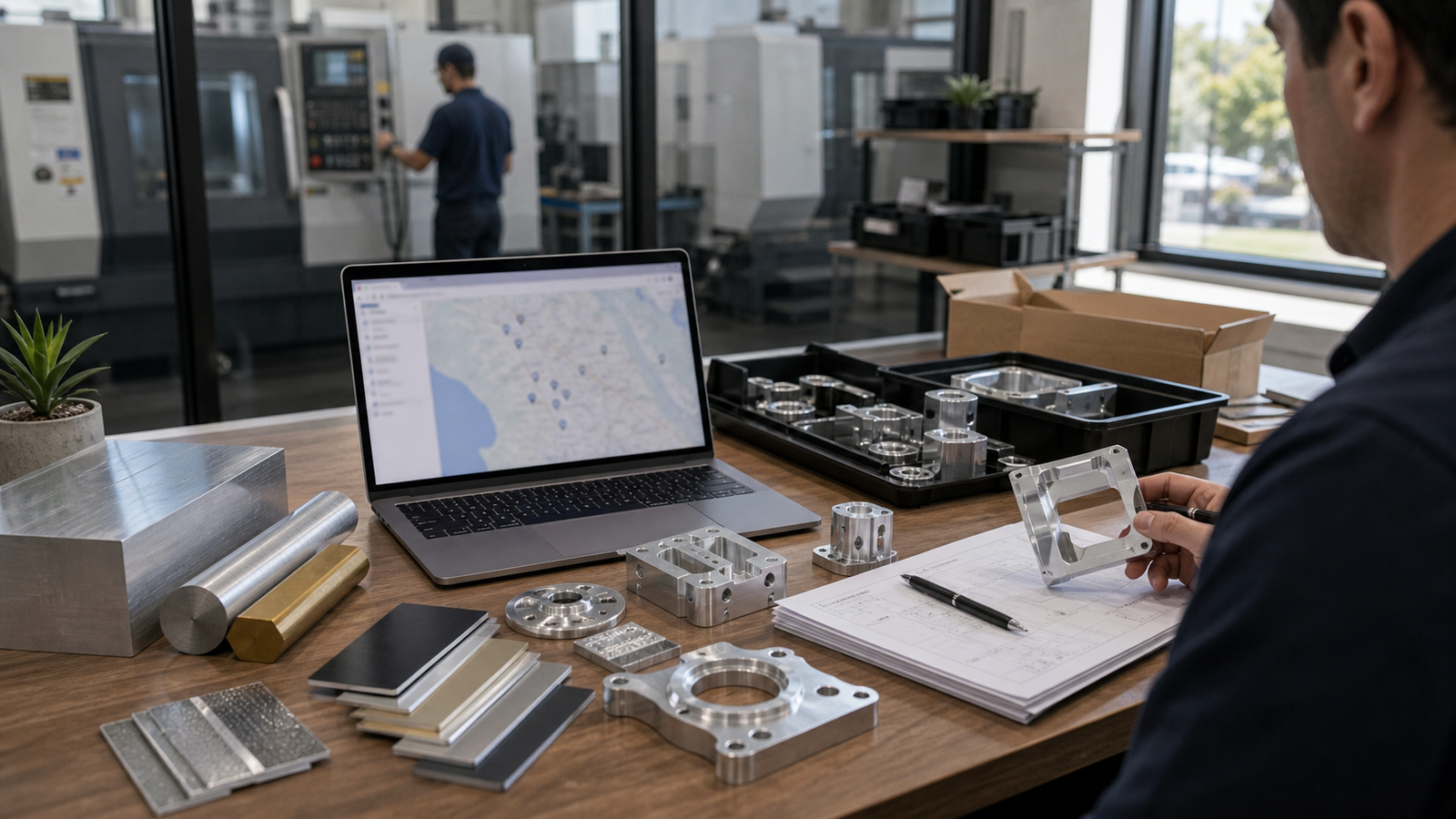
Sustainability is another reason to manufacture locally. Parts made 20 miles away have a much smaller carbon footprint than parts shipped from across the ocean.
- Zero ocean freight emissions, Container ships burn bunker fuel, the dirtiest fuel on earth
- Less packaging, Local parts need basic protection, not export crating
- No overproduction, You order what you need, when you need it
- Shorter supply chains, Fewer trucks, fewer warehouses, fewer touch points
- California standards, California has the strictest environmental regulations in the US
Frequently Asked Questions
How much waste does CNC machining produce?
CNC removes 60-80% of material as chips. But nearly all metal chips are recyclable. A good shop recycles 95%+ of its metal waste.
Can coolant be recycled?
Yes. Modern coolant recycling systems extend coolant life 3-5x by removing contaminants. This reduces both cost and environmental impact.
How do shops reduce energy use?
Newer machines, LED lighting, smart scheduling and optimized programs all cut energy. Some Bay Area shops also use rooftop solar.
Is local machining more sustainable?
Yes. Local machining eliminates shipping emissions, reduces packaging waste and prevents overproduction. California also has strict environmental standards.
What is near-net-shape machining?
Starting with a blank close to the final shape. This reduces material removal, saves energy and produces less waste. Castings and forgings are common near-net blanks.