Certifications That Actually Matter
Not every shop needs every certification. The right ones depend on your industry. Here is what each one means and when you need it.
| Certification | What It Covers | Who Needs It |
|---|---|---|
| ISO 9001 | Quality management system | Everyone (baseline standard) |
| AS9100 | Aerospace quality management | Aerospace and defense buyers |
| ISO 13485 | Medical device quality | Medical device companies |
| ITAR-Registered | Defense trade compliance | Defense and military contracts |
| NADCAP | Special process accreditation | Heat treat, NDT, coatings |
ISO 9001 is the baseline. If a shop does not have it, ask why. It shows they follow a documented quality process.
Ask for the actual certificate, not just a claim. Real certifications have expiration dates and audit records. Any shop can say they are "ISO compliant" without being certified.
When You Don't Need Certifications
For simple prototypes and non-regulated parts, certifications are nice but not required. Focus on the shop's track record instead. Ask for references and sample parts.
Equipment to Look For
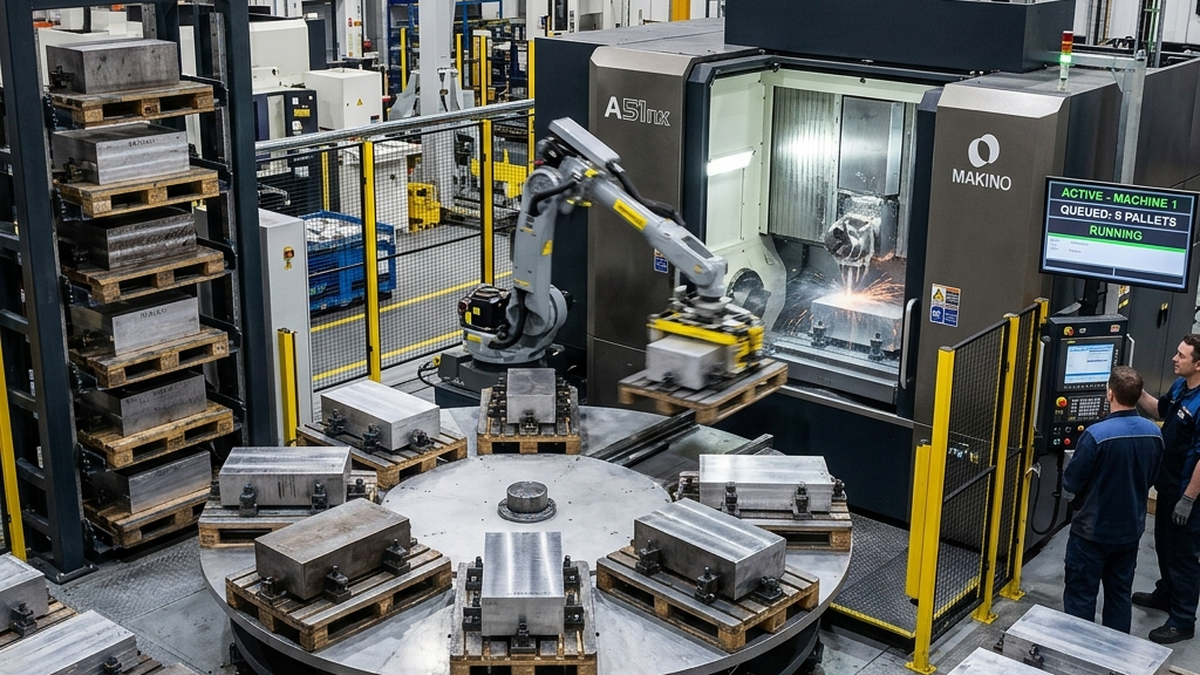
The machines a shop owns tell you what they can do. Here are the key things to check.
| Equipment | What It Does | Why It Matters |
|---|---|---|
| 3-Axis CNC Mill | Basic milling from one direction | Good for flat parts and simple shapes |
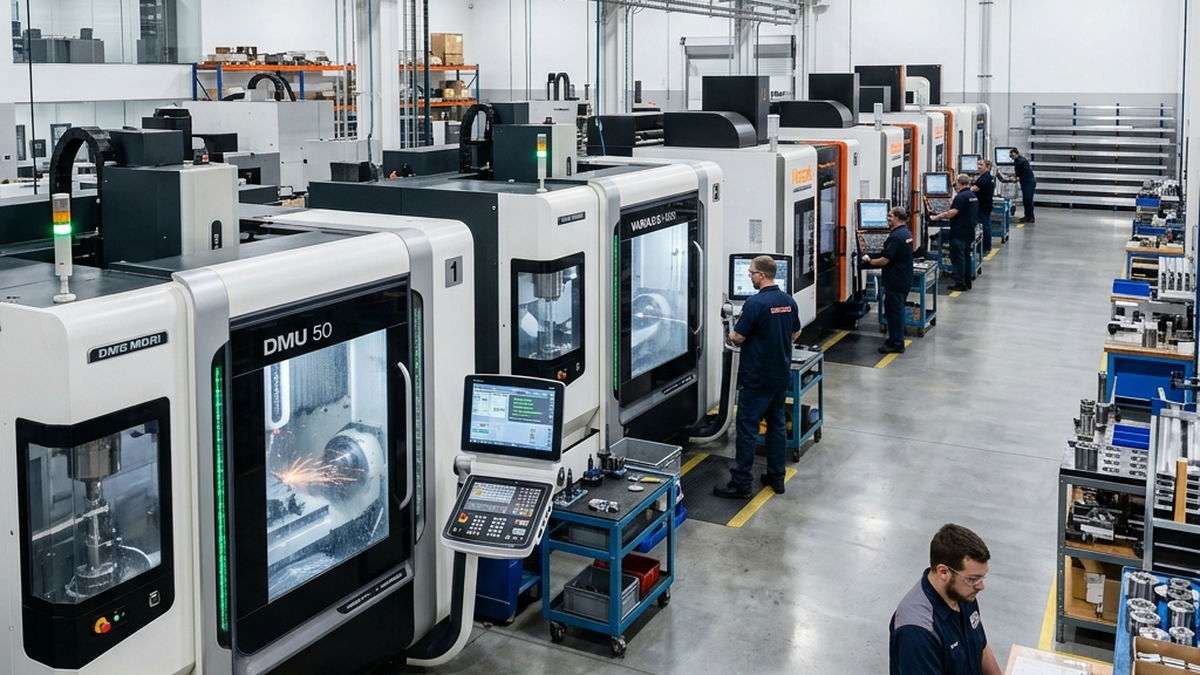
| 5-Axis CNC Mill | Cuts from multiple angles at once | Fewer setups, better accuracy on complex parts |
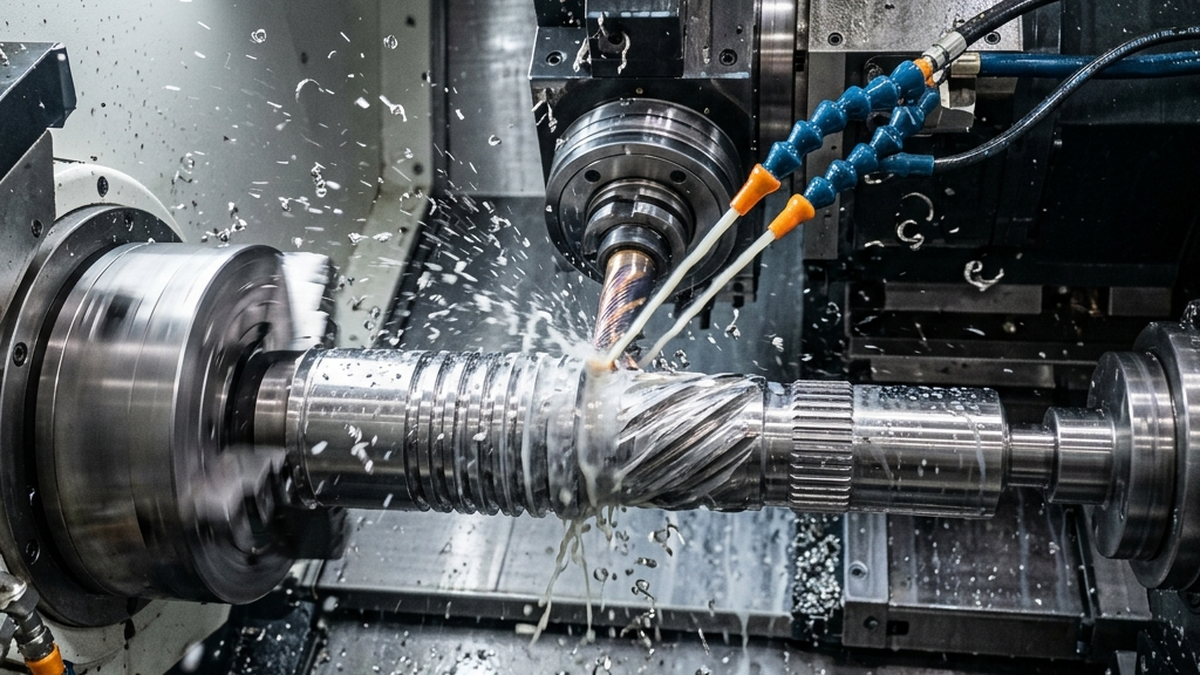
| CNC Lathe | Turns round parts (shafts, pins) | Essential for cylindrical components |
| Wire EDM | Cuts hard metals with electrical wire | Tight tolerances on hardened steel |
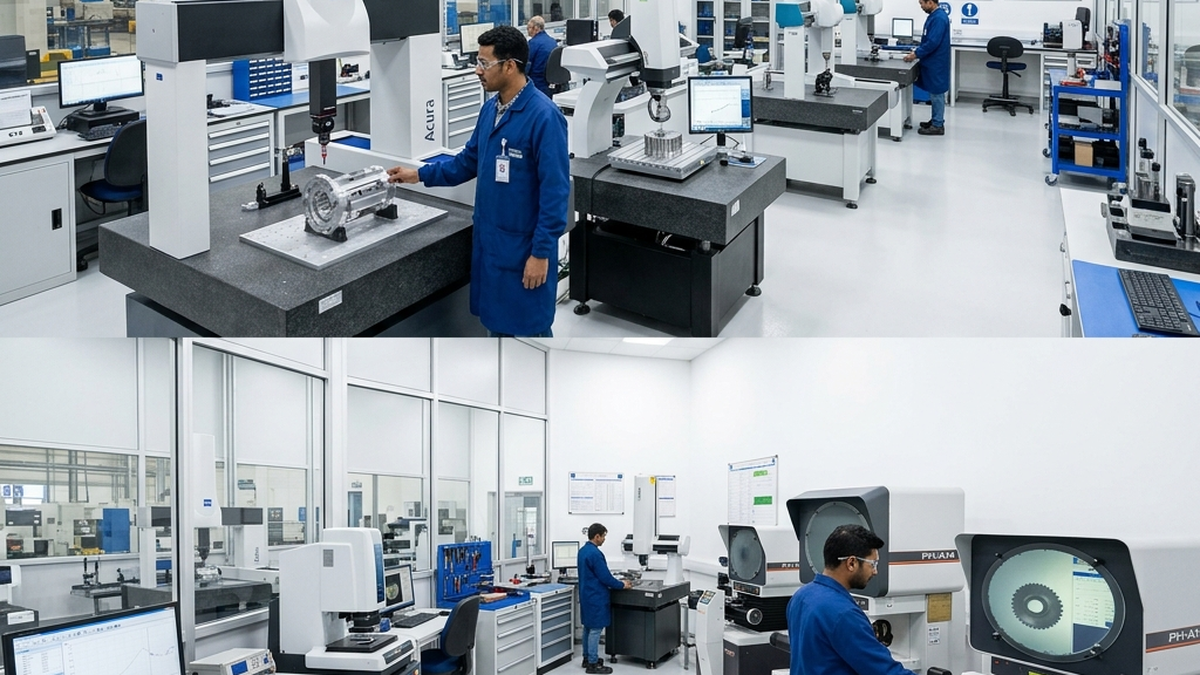
| CMM | Measures parts to micron accuracy | Verifies tight tolerances |
Machine Age and Condition
Newer machines hold tighter tolerances. They also run faster. A shop with a 2020 Haas will outperform a shop with a 1995 Fadal on most jobs.
Ask how old their machines are. Good shops invest in equipment regularly. If everything on the floor is 20+ years old, that is a concern.
Capacity and Backup
Shops with only one of each machine type have a single point of failure. If that machine goes down, your order stops. Larger shops with multiple machines can shift work around if something breaks.
Communication Quality
This is the number one predictor of a good experience. Good shops communicate well. Bad shops go silent.
What to Watch For
- Quote response time. A shop should respond to a quote request within 1-2 business days. If they take a week, imagine what happens when you have a problem.
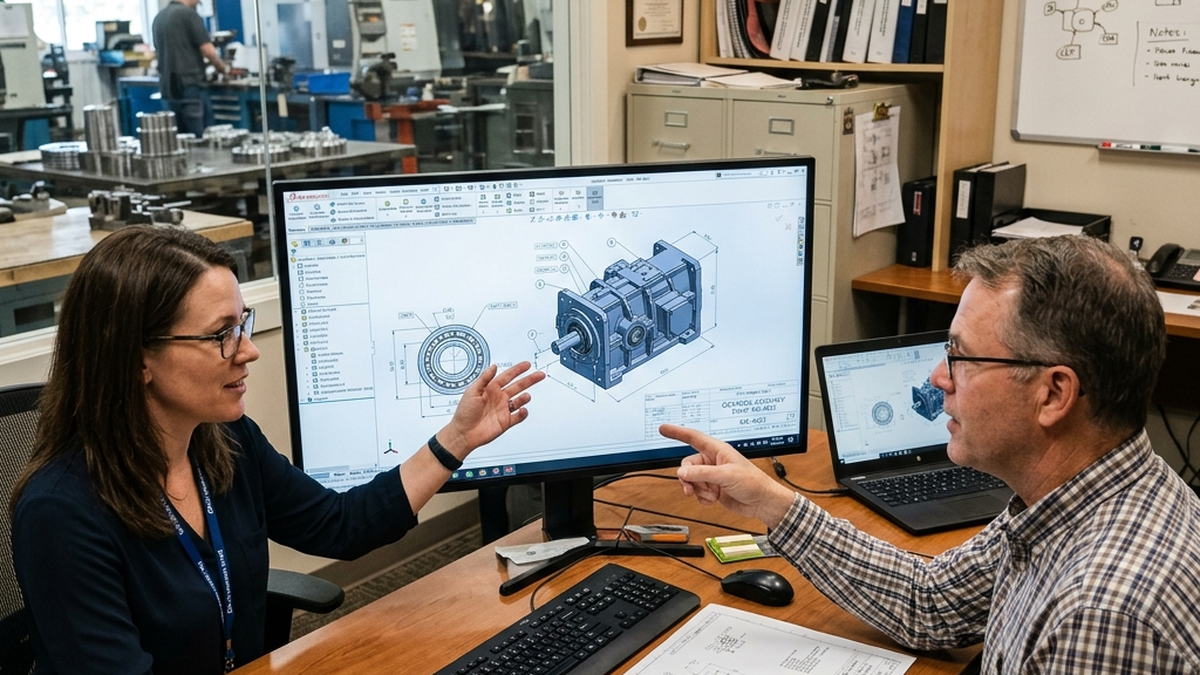
- Questions about your drawing. Good shops ask questions. They catch issues before they cut metal. A shop that never asks questions is either very experienced or not reading your prints.
- Named contact. You want to talk to one person who knows your job. Calling a general number every time is a bad sign.
- Status updates. Ask how they communicate progress. Email updates at key milestones is the minimum.
A shop that answers your call today will answer your call when something goes wrong. Communication before the order predicts communication during the order.
DFM Feedback
The best shops review your design for manufacturability. They suggest changes that save you money. A shop that just says "yes we can make it" without reviewing your design may not catch issues until it is too late.
RivCut offers free DFM reviews on every order. We flag issues before cutting starts.
Inspection Capabilities
Making a part right is half the job. Proving it is right is the other half. Here is what to look for in a shop's inspection process.
Inspection Equipment
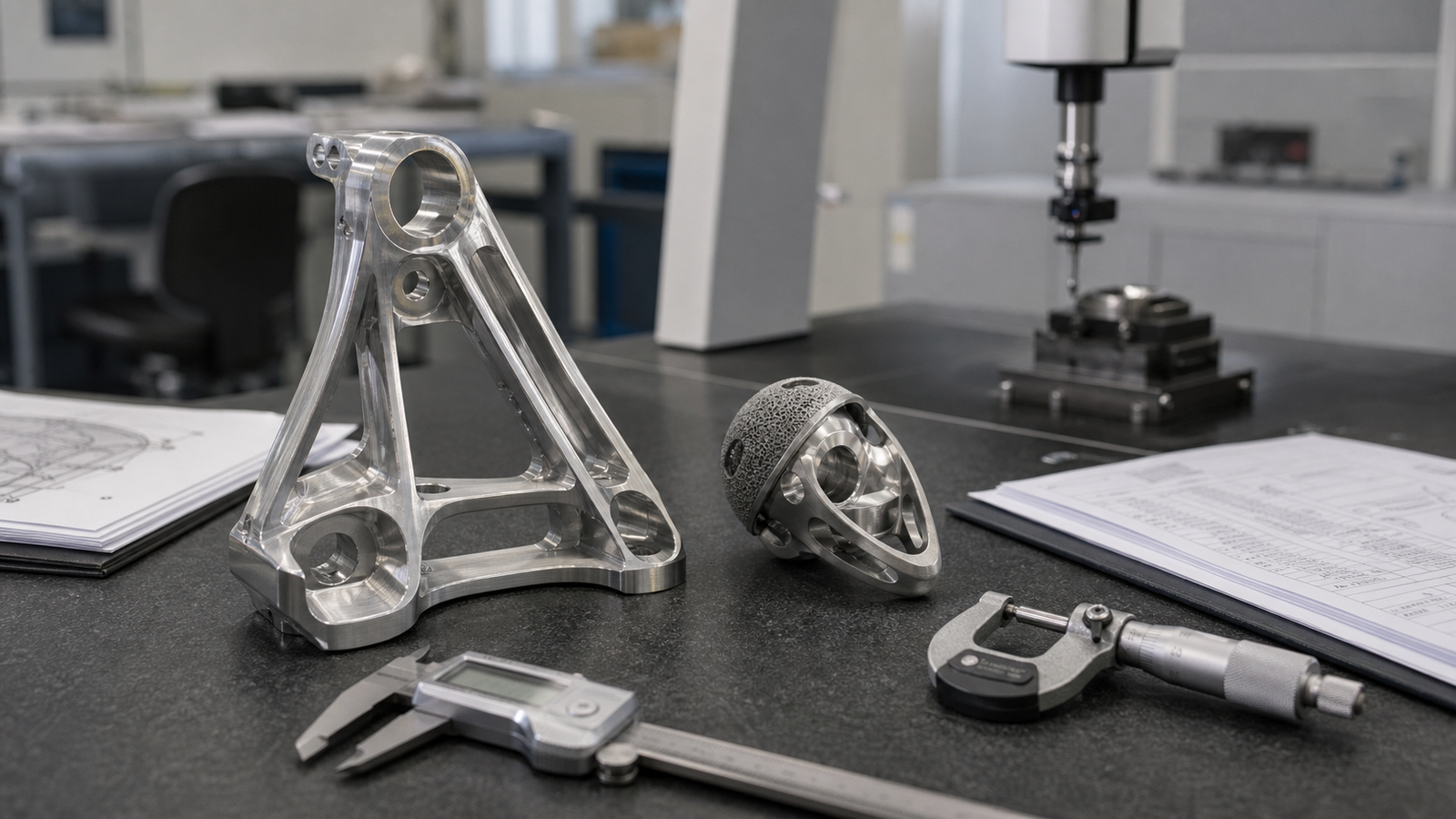
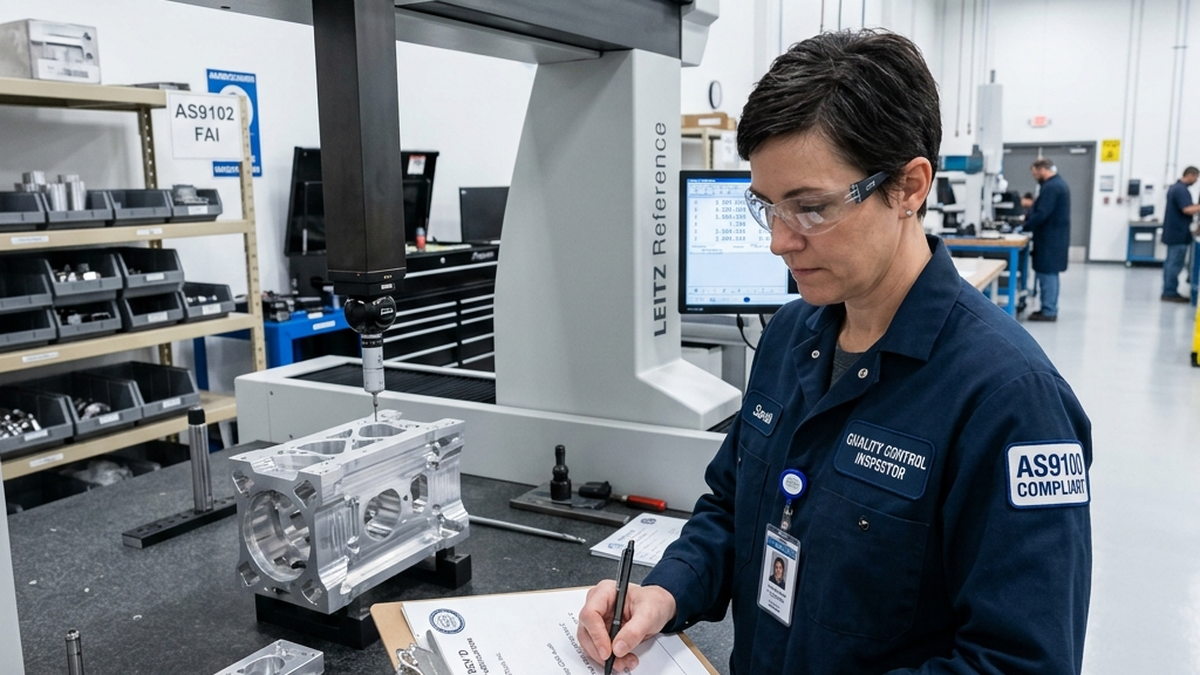
- CMM (Coordinate Measuring Machine). This is the gold standard. A CMM measures parts to 0.0001" accuracy. Any shop doing precision work should have one.
- Optical comparator. Projects a part's shadow for visual inspection. Good for profiles and contours.
- Surface profilometer. Measures surface finish (Ra). Needed if you spec a finish requirement.
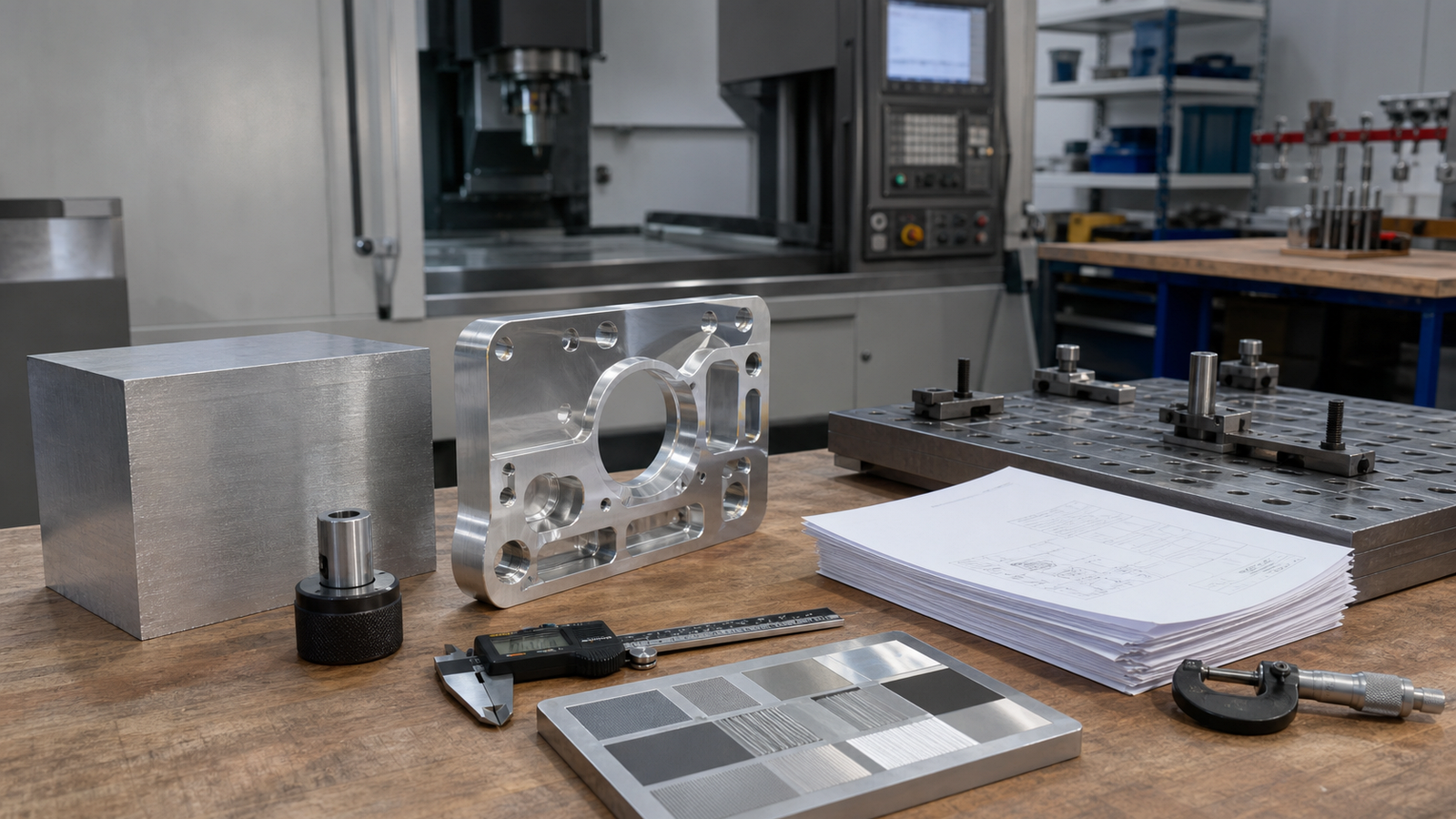
- Pin gauges and micrometers. Basic tools every shop should have. If you see beat-up tools, worry.
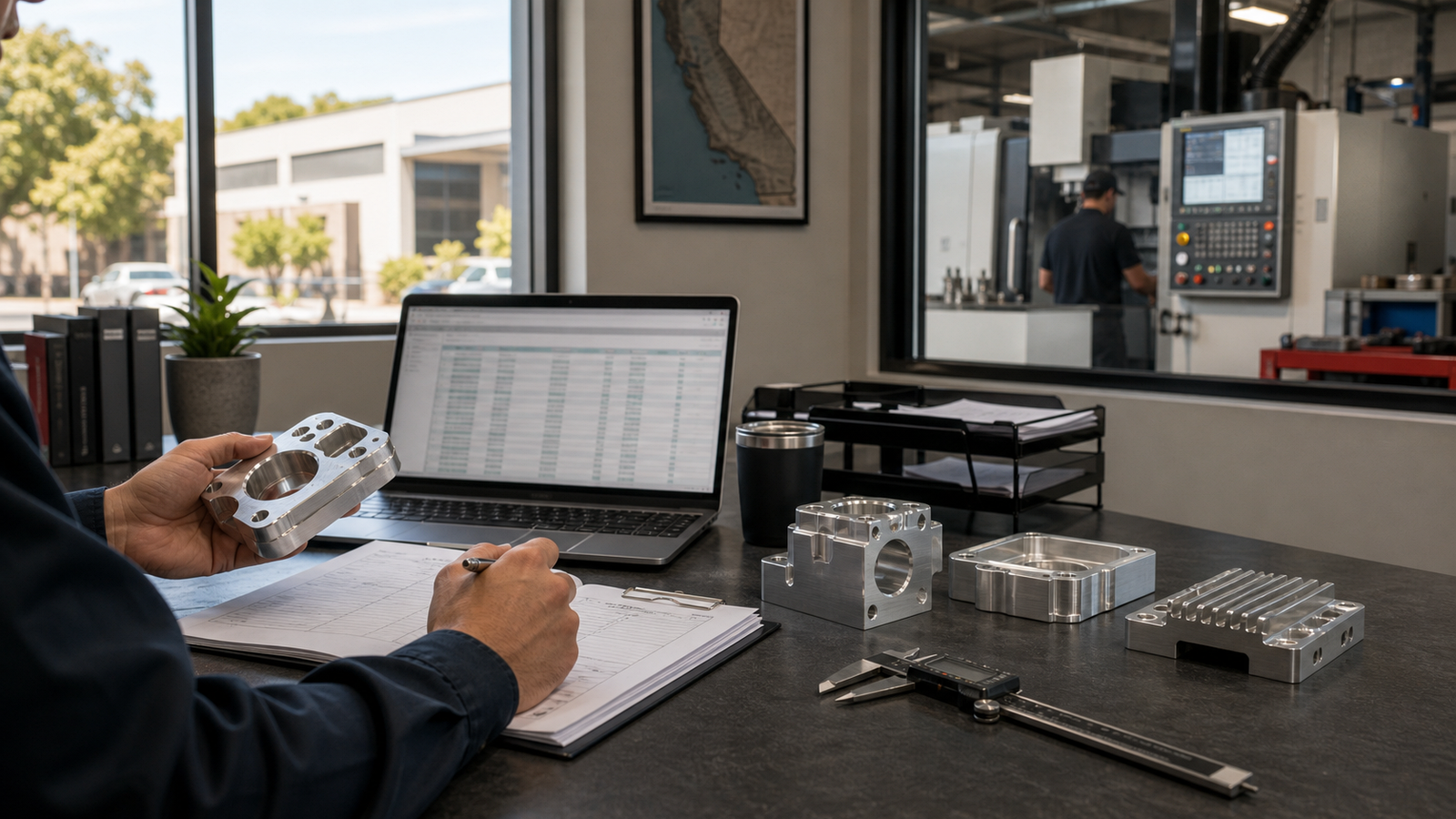
Request a sample inspection report (First Article Inspection Report or FAIR). A good shop will have a clean, professional format with measured values next to print values. This shows they take inspection seriously.
Material Traceability
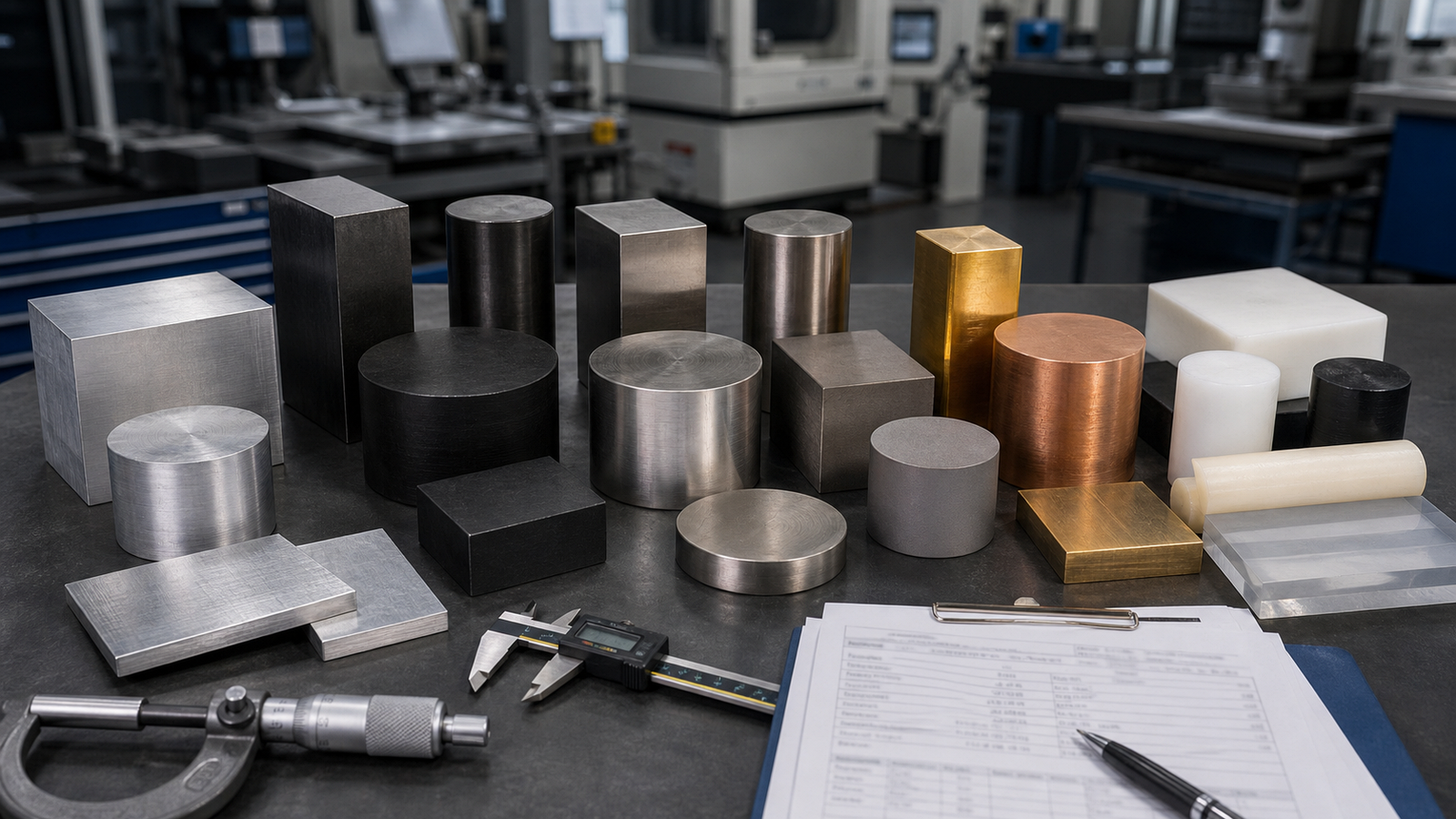
Can the shop trace your material back to the mill? For aerospace and medical work, this is required. Ask for a mill certificate (cert) with your order. If a shop cannot provide one, they may be using unknown material.
Red Flags to Watch For
These warning signs should make you think twice before sending an order.
Any one of these is a concern. Two or more is a deal breaker.
- Quoting without reviewing drawings. If a shop gives you a price without asking a single question about your part, they are guessing. That price will change later.
- No shop tour allowed. Good shops are proud of their floor. If they will not let you visit, ask why.
- No quality certifications. A shop with zero certifications may still do good work. But it is a risk. There is no third-party verification.
- Price way below everyone else. If one quote is 40% cheaper than four others, something is off. They may cut corners on material, inspection, or finishing.
- Slow communication. Takes days to answer emails. Does not return calls. This gets worse after they have your money.
- No references. Any established shop should have customers willing to vouch for them. No references means no track record or unhappy customers.
- Messy shop floor. A disorganized shop makes disorganized parts. Cleanliness reflects discipline and process control.
Questions to Ask Before Ordering
Here are the 10 questions that separate a good shop from a risky one. Ask these during your first conversation.
- What is your typical lead time for this type of part?
- What CNC machines will you use for my job?
- Do you have a CMM for final inspection?
- Can you provide a First Article Inspection Report?
- What quality certifications do you hold?
- Who will be my main point of contact?
- Can you provide material certifications?
- What is your process for handling non-conforming parts?
- Do you offer DFM feedback on new designs?
- Can you share references from similar projects?
A confident shop answers all of these without hesitation. Vague answers or long pauses are telling.
Quick Buyer's Checklist
Print this out or save it. Check each box before placing an order with a new shop.
| Category | Check | Pass? |
|---|---|---|
| Certifications | Has ISO 9001 or relevant industry cert | Yes / No |
| Certifications | Can provide actual certificate copy | Yes / No |
| Equipment | Has machines suited to your part type | Yes / No |
| Equipment | Machines are less than 15 years old | Yes / No |
| Communication | Responded to quote within 2 business days | Yes / No |
| Communication | Asked questions about your drawing | Yes / No |
| Communication | Assigned a named contact person | Yes / No |
| Inspection | Has CMM or equivalent inspection tools | Yes / No |
| Inspection | Can provide FAIR or inspection report | Yes / No |
| Inspection | Offers material traceability and certs | Yes / No |
| Track Record | Can provide customer references | Yes / No |
| Track Record | Clean, organized shop floor | Yes / No |
A shop that passes 10 or more checks is a strong candidate. Fewer than 8 means you should keep looking. Learn more about how cost drivers affect pricing so you can compare quotes fairly.
Frequently Asked Questions
What certifications should a CNC machine shop have?
At minimum, look for ISO 9001. This proves they follow a documented quality system. For aerospace, require AS9100. For medical, require ISO 13485. Defense work needs ITAR registration.
How do I know if a machine shop can hold tight tolerances?
Ask about their inspection equipment. A shop with a CMM can verify tight tolerances. Ask for sample inspection reports from past jobs similar to yours. Also check their machine age. Newer machines hold tighter specs.
What are red flags when choosing a CNC shop?
Watch for shops that quote without reviewing drawings. Avoid shops that refuse tours, have no certifications, or cannot provide references. Slow email responses are another warning sign that gets worse over time.
Should I visit a machine shop before placing an order?
Yes, if the order is large or the parts are critical. A shop tour tells you about equipment condition, organization and culture. Well-run shops are clean and proud to show you around.
How many quotes should I get from CNC shops?
Get 3 to 5 quotes. Prices vary 30 to 50 percent between shops for the same part. Do not just pick the cheapest. Weigh quality, communication and lead time. Check our Bay Area pricing guide for rate benchmarks.