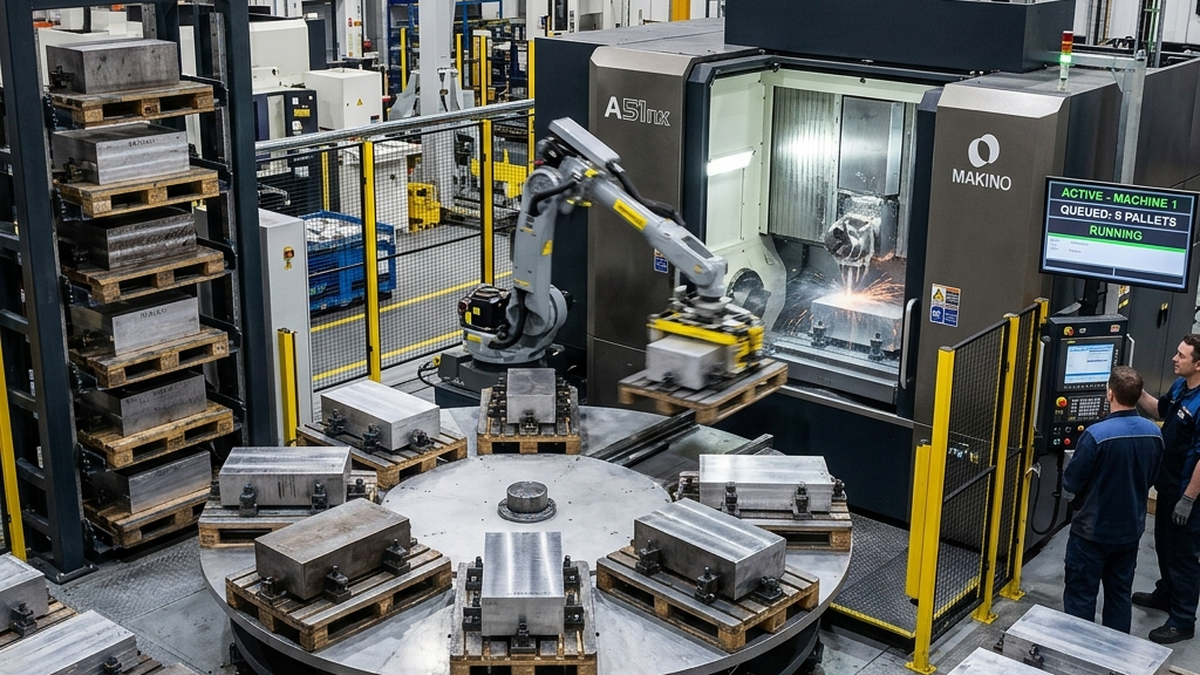
What Is a Machine Shop?
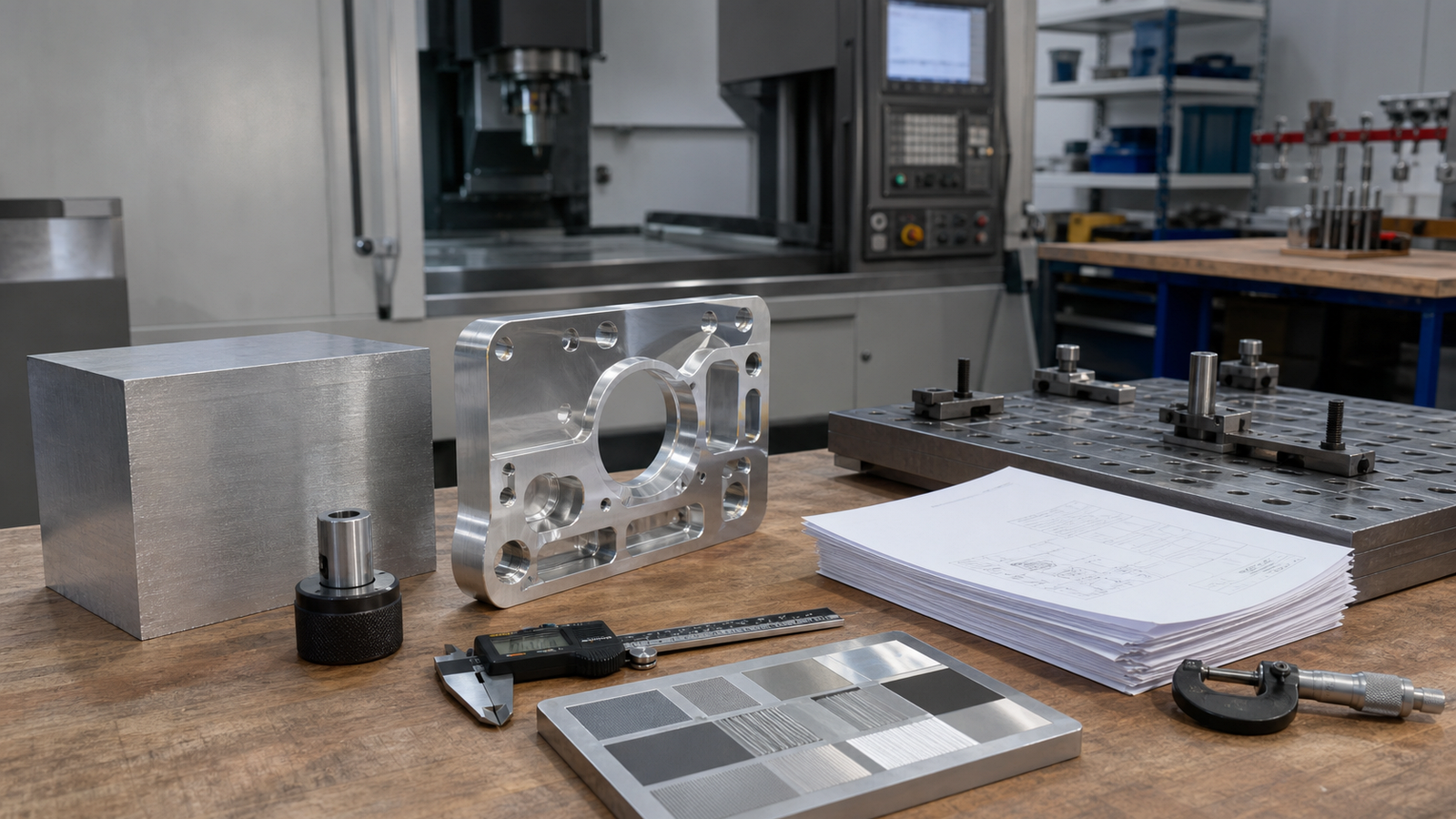
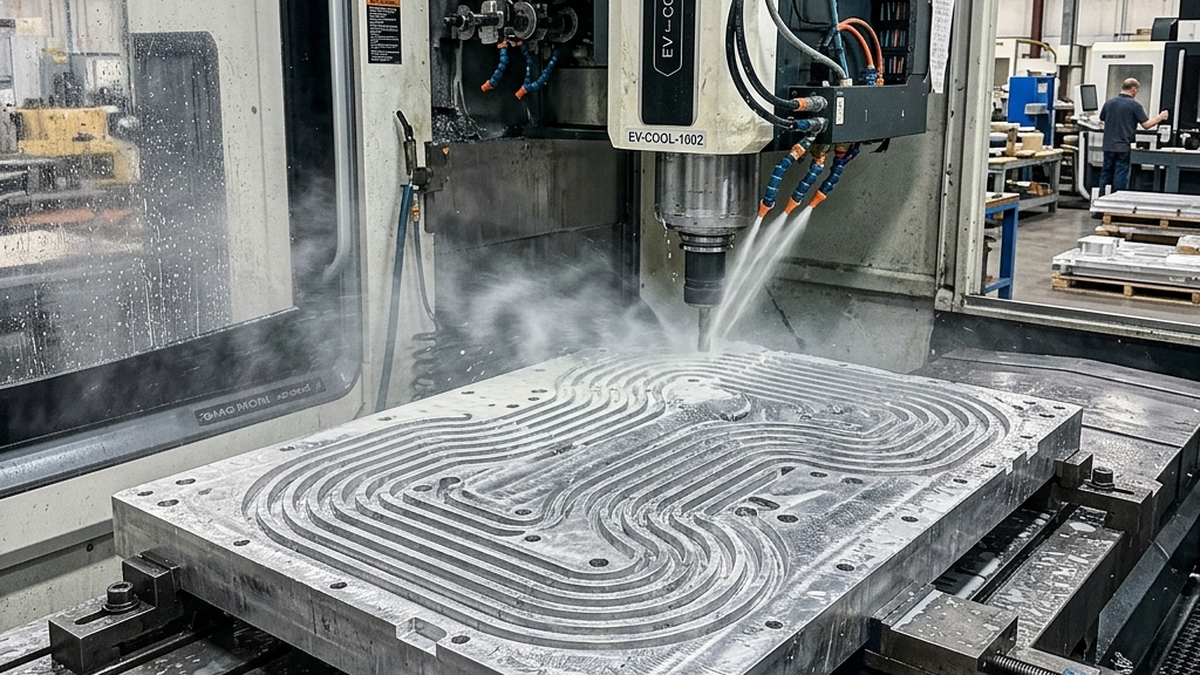
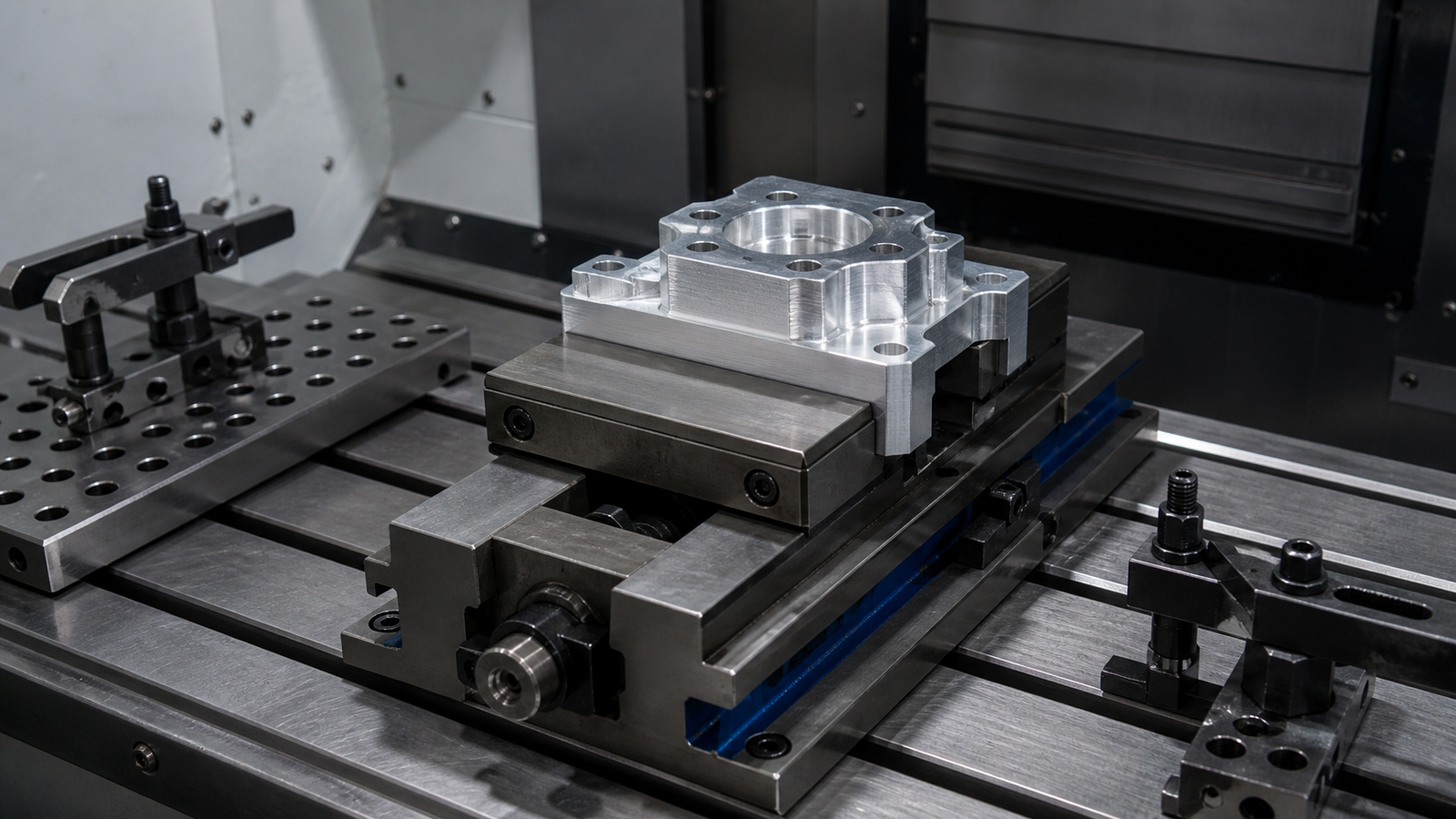
A machine shop focuses on one thing: cutting metal on CNC machines. They have mills, lathes and grinders. The work is precise and repeatable.
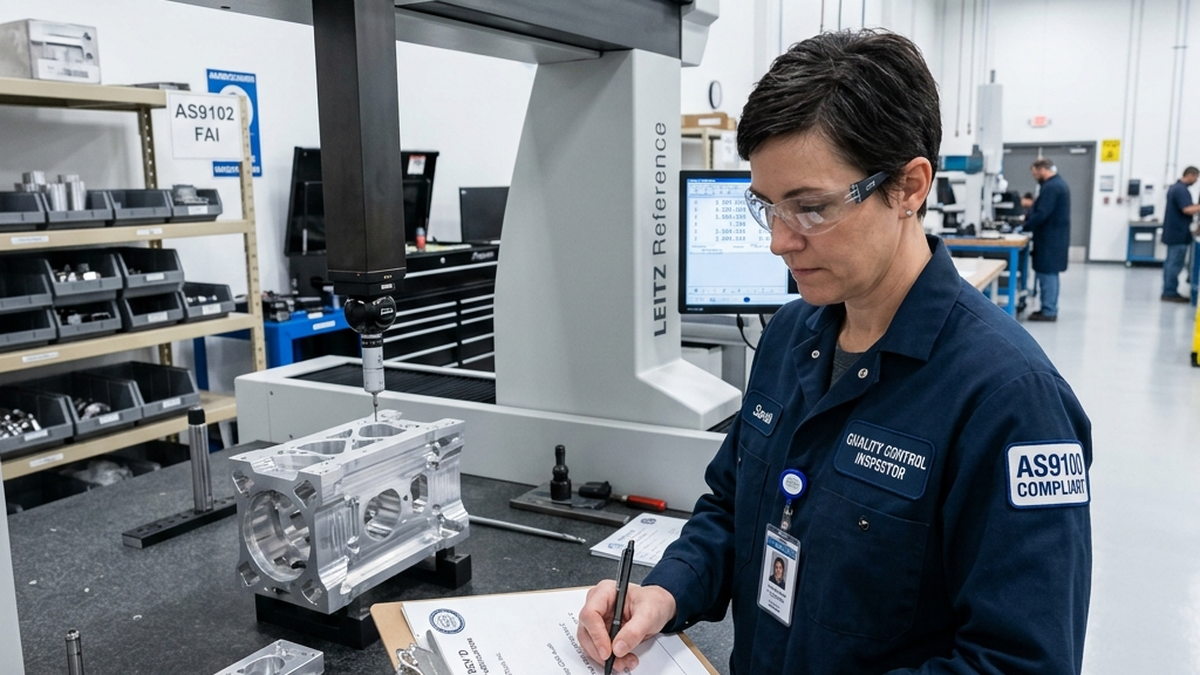
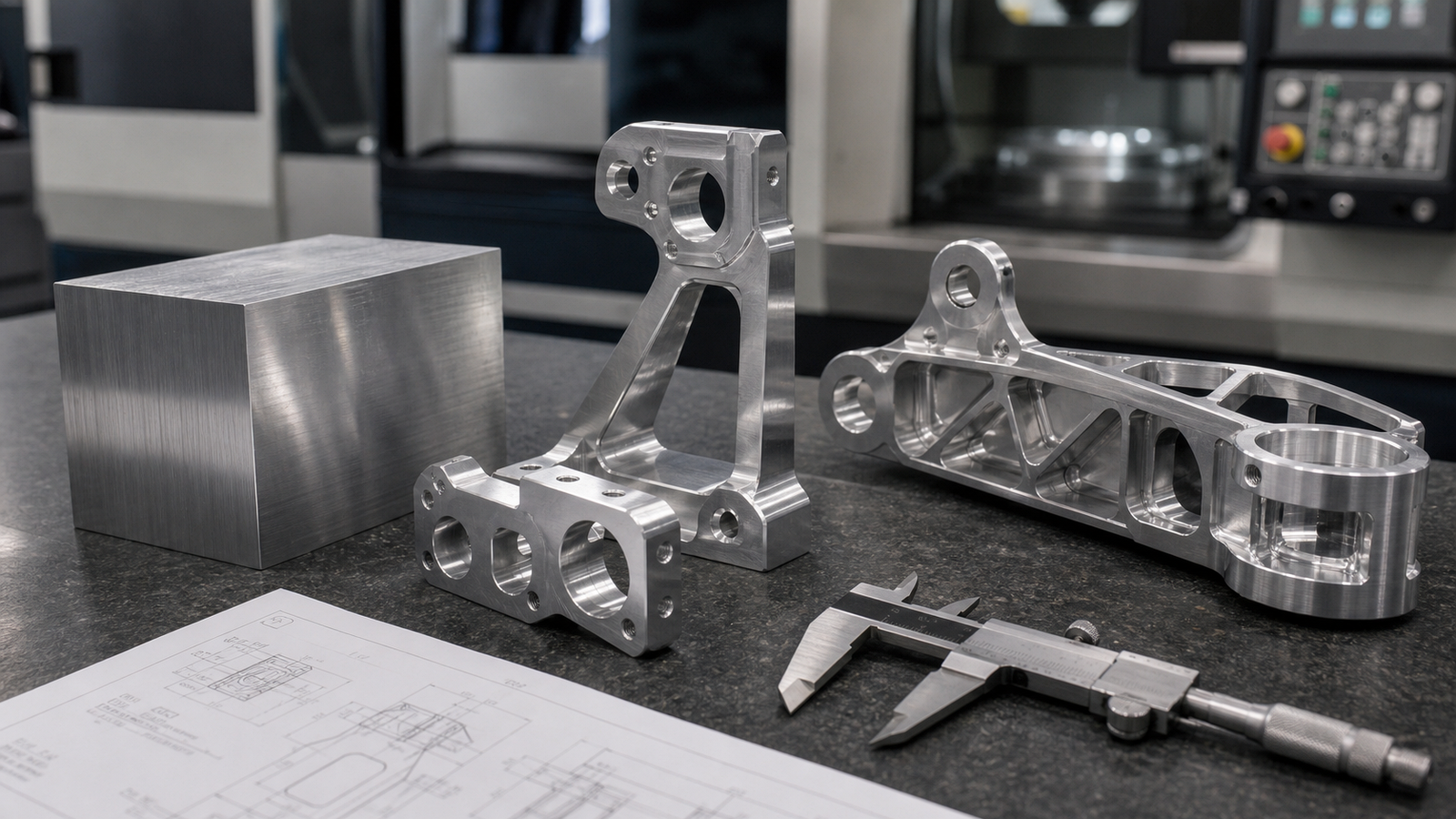
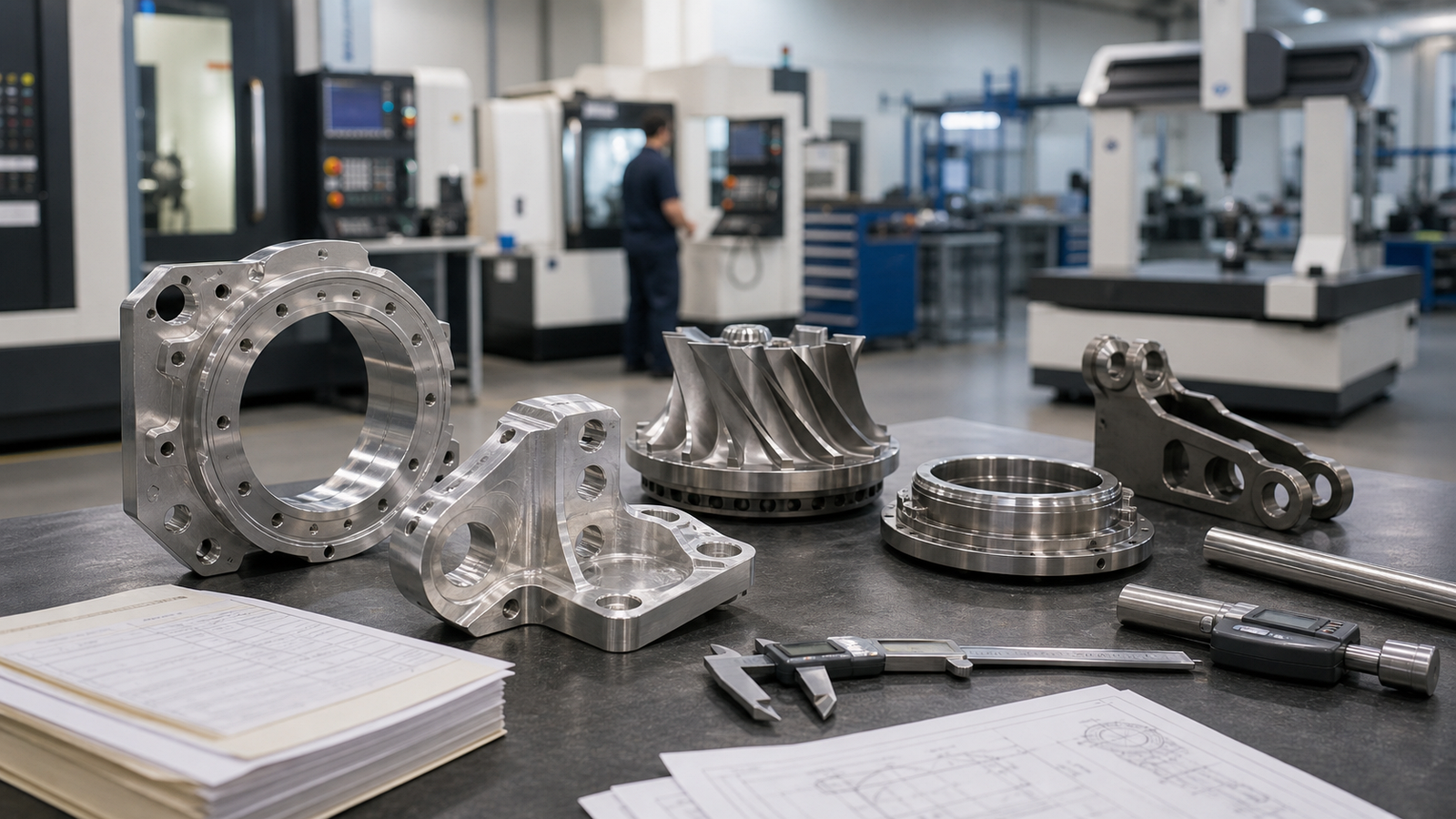
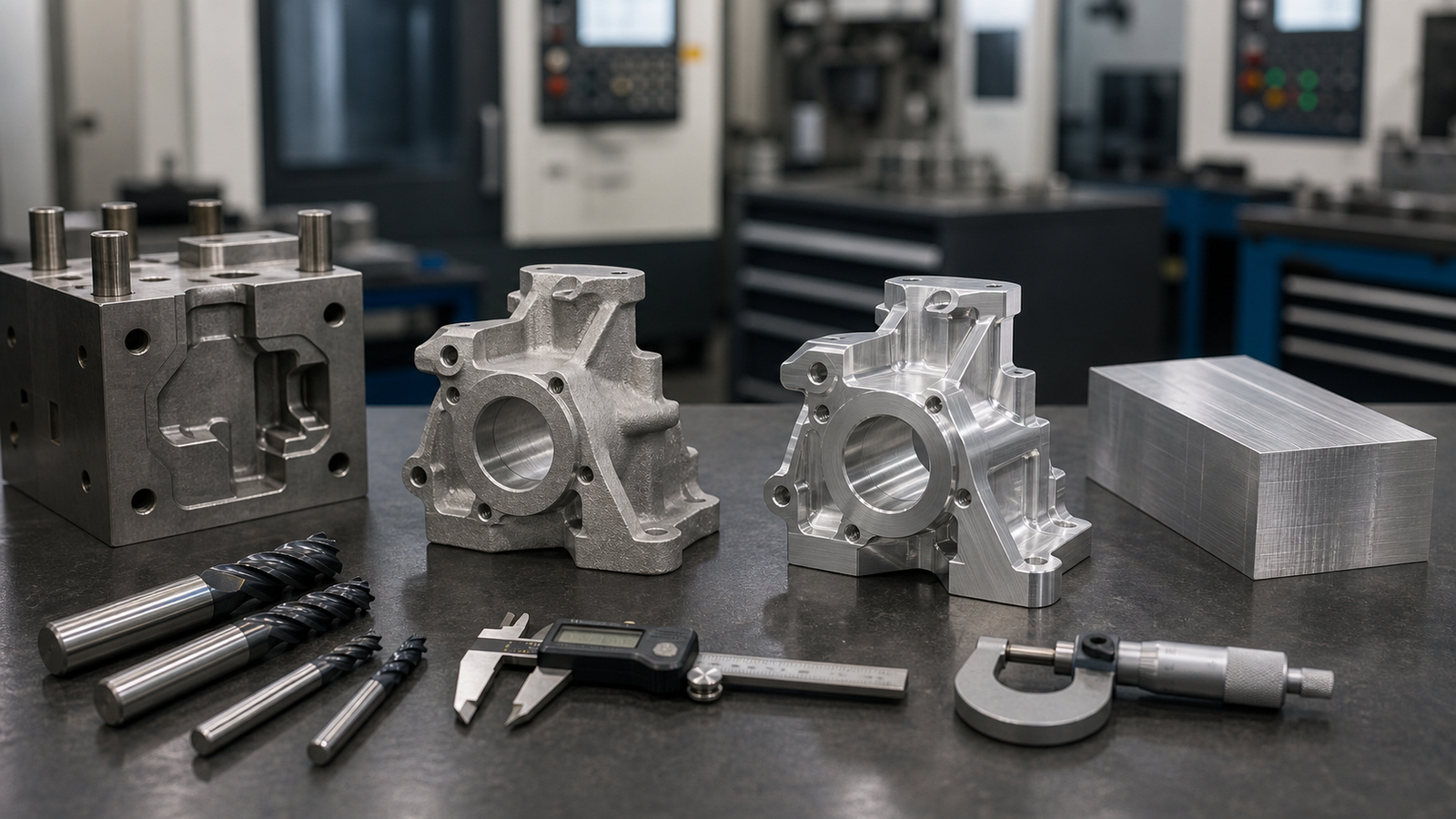
Machine shops specialize in making parts from solid metal stock. They program CNC machines, set up tooling and run production. Most have quality systems and inspection equipment built into their workflow.
What Is a Job Shop?
A job shop is a general-purpose facility. They handle many types of work. A typical job shop might do welding, sheet metal bending, machining, painting and assembly all under one roof.
The name "job shop" comes from the business model. Each project is a unique job. There is no standard product. Every order is different.
A machine shop is a specialist. A job shop is a generalist. Machine shops go deep on CNC work. Job shops go wide across many processes.
Capabilities Compared
Here is a side-by-side look at what each type of shop can do.
| Capability | Machine Shop | Job Shop |
|---|---|---|
| CNC Milling | 3, 4 and 5-axis standard | Usually 3-axis only |
| CNC Turning | Live tooling and multi-axis | Basic lathe work |
| Tight Tolerances | +/- 0.0005" or better | +/- 0.005" typical |
| Welding | Some shops, not always | Yes, usually TIG and MIG |
| Sheet Metal | Rarely | Yes, bending and forming |
| Assembly | Light assembly on request | Full mechanical assembly |
| Surface Finishing | Coordinates with vendors | May do in-house painting |
| CMM Inspection | Standard equipment | Rarely available |
Equipment Depth vs Breadth
A machine shop might have six CNC mills and three lathes. That is depth. They can run multiple jobs at once and shift work between machines.
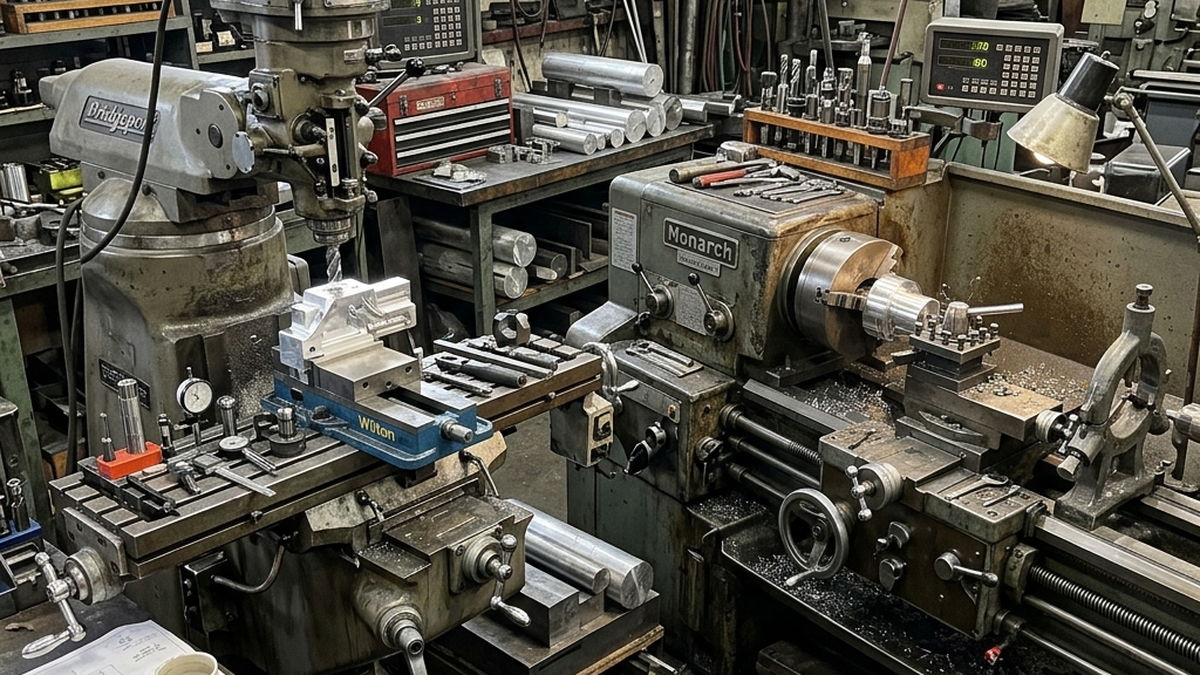
A job shop might have one CNC mill, a manual lathe, two welders, a brake press and a paint booth. That is breadth. They handle more process types but have less capacity in each one.
Volume Sweet Spots
The right shop depends partly on how many parts you need.
| Order Size | Machine Shop | Job Shop |
|---|---|---|
| 1 piece (prototype) | Good fit | Good fit |
| 2-10 pieces | Good fit | Good fit |
| 10-100 pieces | Best fit | Acceptable |
| 100-1,000 pieces | Best fit | Usually too slow |
| 1,000+ pieces | Good fit (or contract mfg) | Not practical |
For single prototypes, both work. The difference shows up at volume. Machine shops have the capacity and efficiency to run batches. Job shops are set up for one-off work.
If you need 50 of the same CNC part, a machine shop will beat a job shop on price and lead time almost every time.
How Pricing Works
Machine shops and job shops price work differently. Understanding the model helps you compare quotes.
Machine Shop Pricing
- Hourly machine rate. $75 to $250 per hour depending on machine type. See our Bay Area pricing guide for current rates.
- Setup fee. $50 to $500 per setup. Covers fixturing and programming time.
- Material cost. Charged at cost plus 10-20% markup.
- Volume discounts. Setup cost is spread across more parts. Price per piece drops fast with quantity.
Job Shop Pricing
- Flat rate per job. Many job shops quote a total price, not an hourly breakdown.
- Labor-based. Pricing follows labor hours more than machine hours.
- Less predictable. Without standard processes, quotes vary more between shops.
- Fewer volume discounts. Job shops do not see as much efficiency gain from batches.
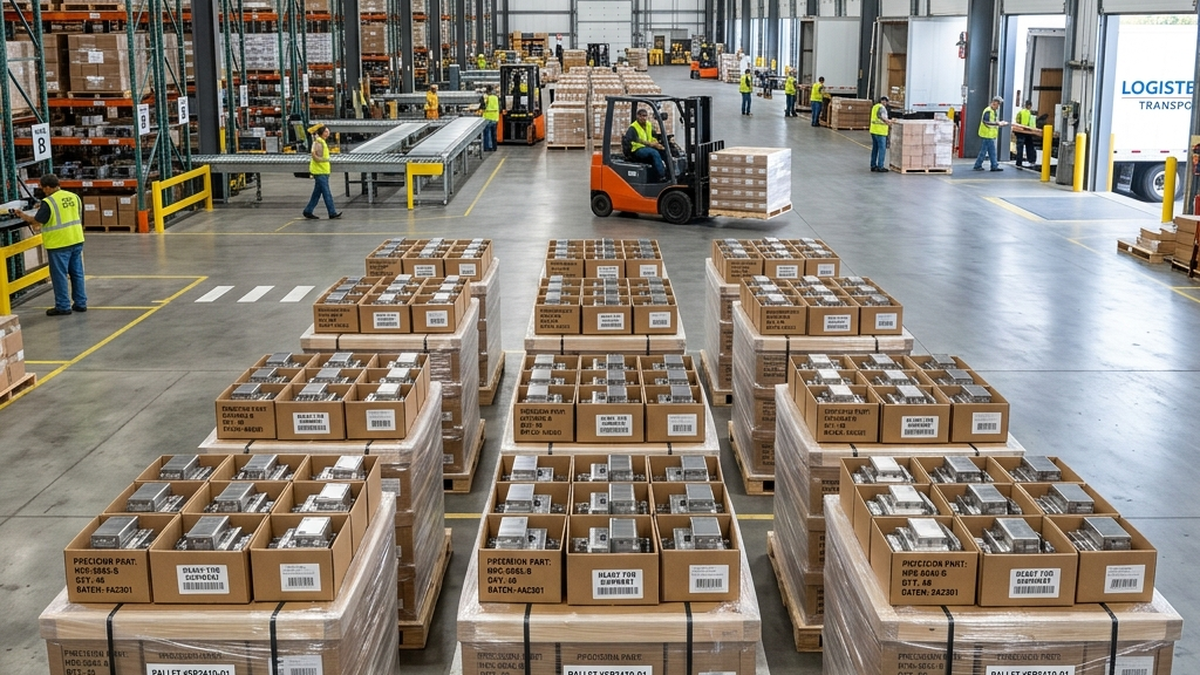
Always compare cost per part, not hourly rate. A machine shop at $150/hr that finishes in 20 minutes beats a job shop at $80/hr that takes 45 minutes. Use our cost calculator to estimate part prices.
When to Use Each
Use a Machine Shop When:
- Your part is CNC machined from solid stock
- You need tight tolerances (+/- 0.001" or better)
- You are ordering 10+ identical parts
- Quality certifications matter (ISO, AS9100)
- You need a CMM inspection report
- You plan to reorder the same parts regularly
Use a Job Shop When:
- Your project involves multiple processes (machining + welding + assembly)
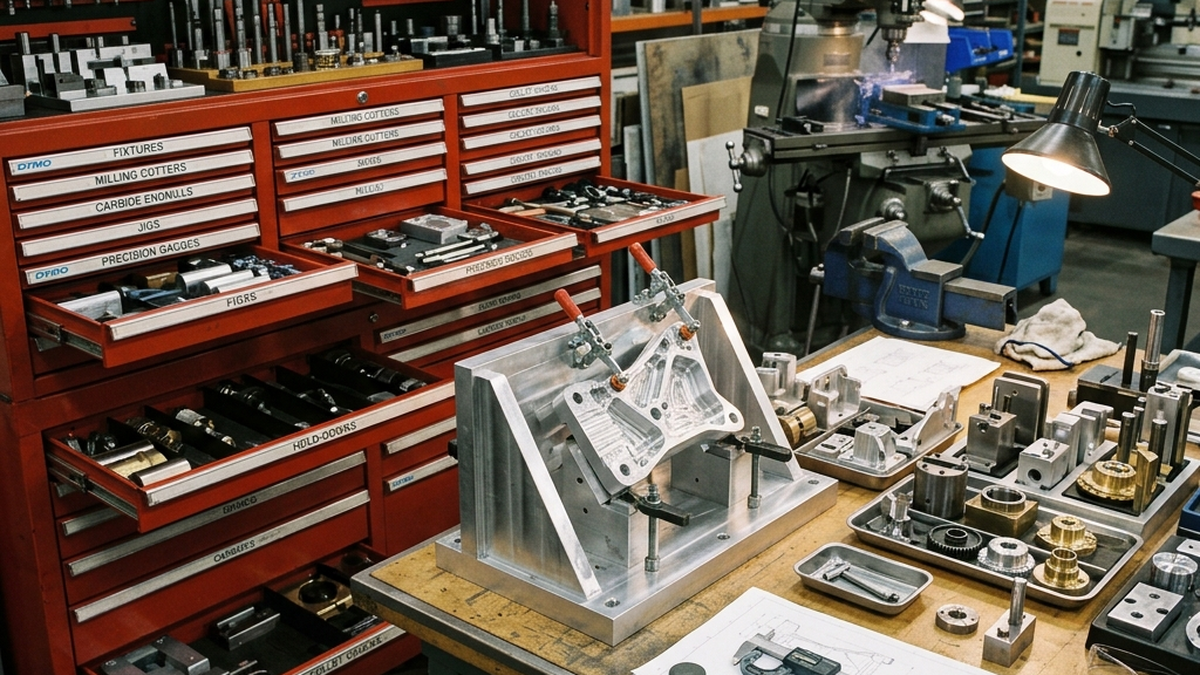
- You need a one-off custom fixture or jig
- Tolerances are loose (+/- 0.010" or wider)
- The work is mostly fabrication, not precision machining
- You need a "handyman" shop that can figure things out
The Overlap Zone
Many shops blur the line. Some machine shops also weld. Some job shops have modern CNC equipment. The labels are guidelines, not rules.
The best approach is to evaluate based on your specific part. Read our buyer's checklist to assess any shop regardless of what they call themselves.
Do not send precision CNC work to a general job shop just because they are cheaper. If they lack proper inspection tools, you will not know the parts are wrong until they fail. The rework cost will exceed any savings.
Frequently Asked Questions
What is the difference between a machine shop and a job shop?
A machine shop specializes in CNC machining with dedicated mills and lathes. A job shop is a general facility that handles many process types like welding, fabrication and assembly alongside basic machining.
Which is better for prototypes?
Both handle prototypes. Choose a machine shop for precision CNC parts. Choose a job shop if your prototype needs multiple processes like machining plus welding plus assembly in one place.
Are job shops cheaper than machine shops?
Not always. Job shops may charge less per hour. But machine shops are faster on CNC work. A lower hourly rate does not mean a lower part price. Compare total cost per part, not hourly rates.
What volume works best for each type?
Job shops are best for one-off and very small batches. Machine shops handle everything from prototypes to thousands of parts. For CNC batches over 10 pieces, a machine shop is almost always more efficient.
Can a machine shop do welding and assembly?
Some machine shops offer secondary services. RivCut coordinates finishing, plating and light assembly. But if your project is mostly welding and fabrication, a job shop or dedicated fab shop is a better fit.