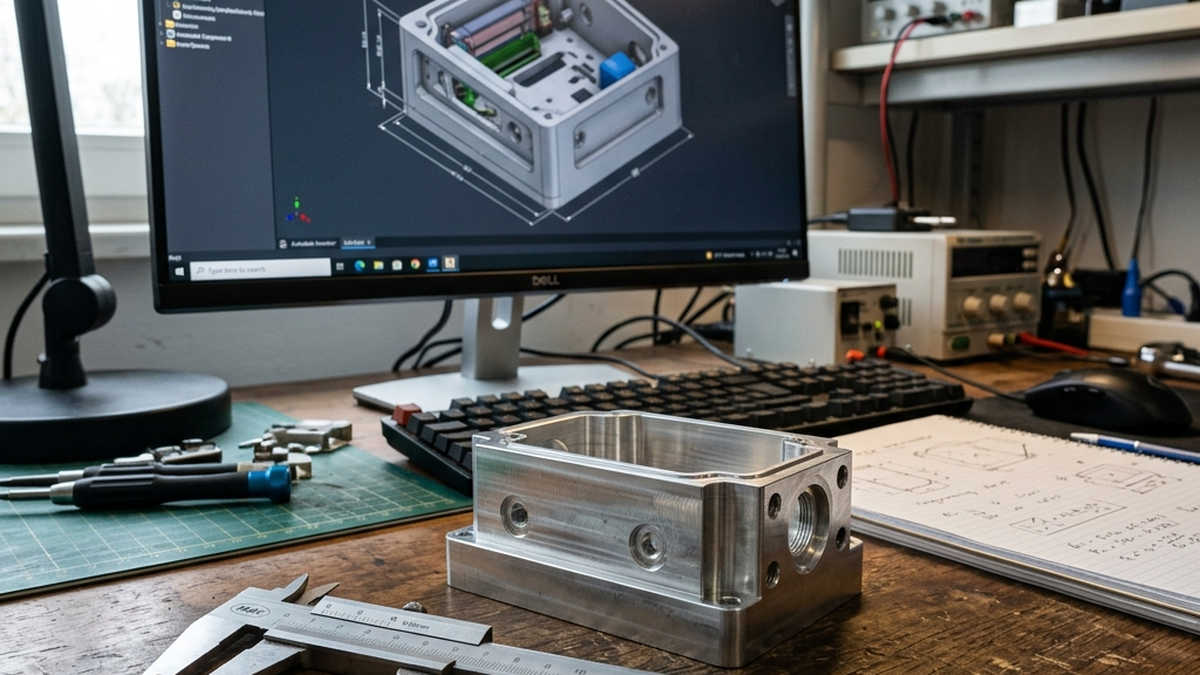
What Is Design for Manufacturability?
DFM is a set of design rules. They make your parts easier and cheaper to machine. Think of it as a cheat sheet for designing parts that CNC machines love.
A good DFM review catches problems before they hit the shop floor. It saves you money on tooling, cycle time and scrap. Most shops offer free DFM reviews. RivCut does too.
Parts that follow DFM rules cost 30-50% less to machine. The savings come from fewer setups, faster cycle times and less tool wear.
Wall Thickness Rules
Thin walls vibrate during cutting. This causes chatter marks, poor surface finish and broken tools. Every material has a minimum safe wall thickness.
| Material | Minimum Wall | Recommended Wall | Notes |
|---|---|---|---|
| Aluminum | 0.5mm (0.020") | 0.8mm (0.031") | Softer material, more forgiving |
| Steel | 0.8mm (0.031") | 1.0mm (0.040") | Higher cutting forces |
| Stainless Steel | 0.8mm (0.031") | 1.2mm (0.047") | Work hardens under stress |
| Titanium | 1.0mm (0.040") | 1.5mm (0.060") | Spring-back causes deflection |
| Plastics | 1.0mm (0.040") | 1.5mm (0.060") | Melts and deforms easily |
Tall, thin walls are the worst offenders. A wall that is 5x taller than it is thick will almost certainly vibrate. Add ribs or gussets to stiffen it.
How Wall Height Affects Stability
It is not just the thickness that matters. The height-to-thickness ratio is key. Keep this ratio under 4:1 for best results. Go above 8:1 and you will need special fixturing and slower feeds.
Corner Radii
CNC end mills are round. They cannot cut sharp 90-degree inside corners. Every inside corner needs a radius that matches the tool.
The radius you choose sets the tool size. Smaller radii need smaller tools. Smaller tools are slower, weaker and break more often.
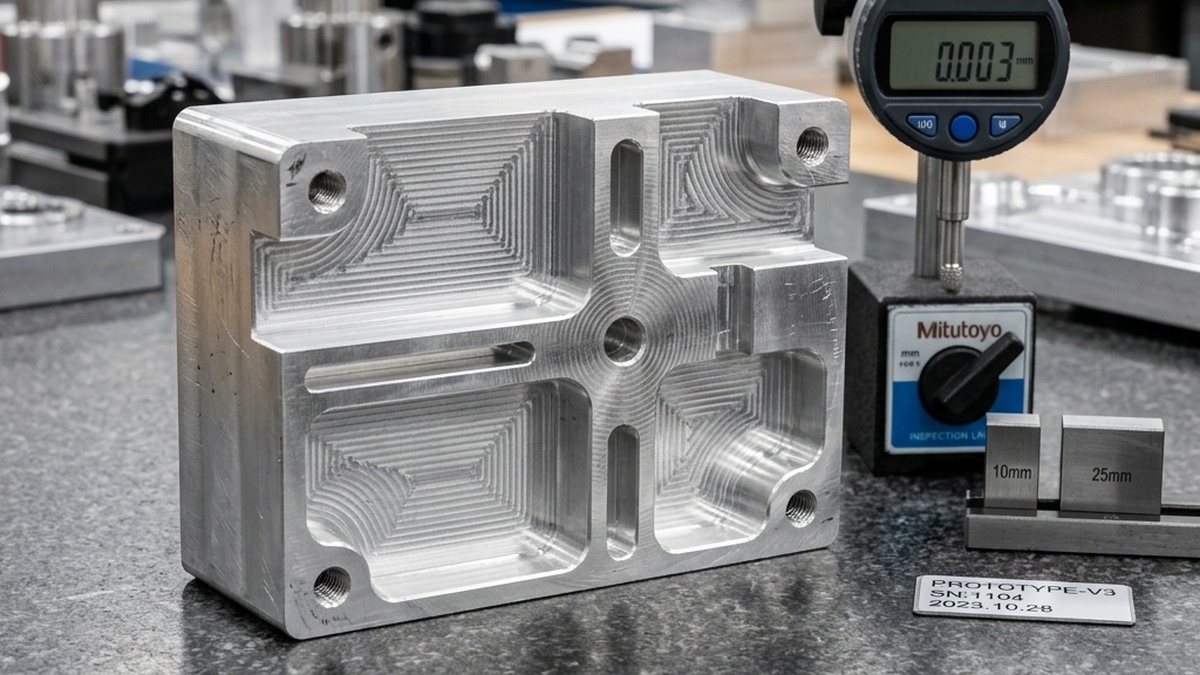
| Corner Radius | Tool Diameter | Relative Speed | Cost Impact |
|---|---|---|---|
| 6mm+ (0.25"+) | 12mm (0.5") | Fast | Lowest cost |
| 3mm (0.125") | 6mm (0.25") | Medium | Standard |
| 1.5mm (0.060") | 3mm (0.125") | Slow | 1.5-2x more |
| 0.5mm (0.020") | 1mm (0.040") | Very slow | 3-5x more |
Do not use different corner radii on the same pocket. One radius means one tool. Multiple radii mean multiple tool changes. That adds time and cost.
The 1/3 Rule
Use a corner radius of at least 1/3 the pocket depth. A 12mm deep pocket needs at least a 4mm corner radius. This keeps the tool stiff enough to cut without vibration.
Pocket Depth Limits
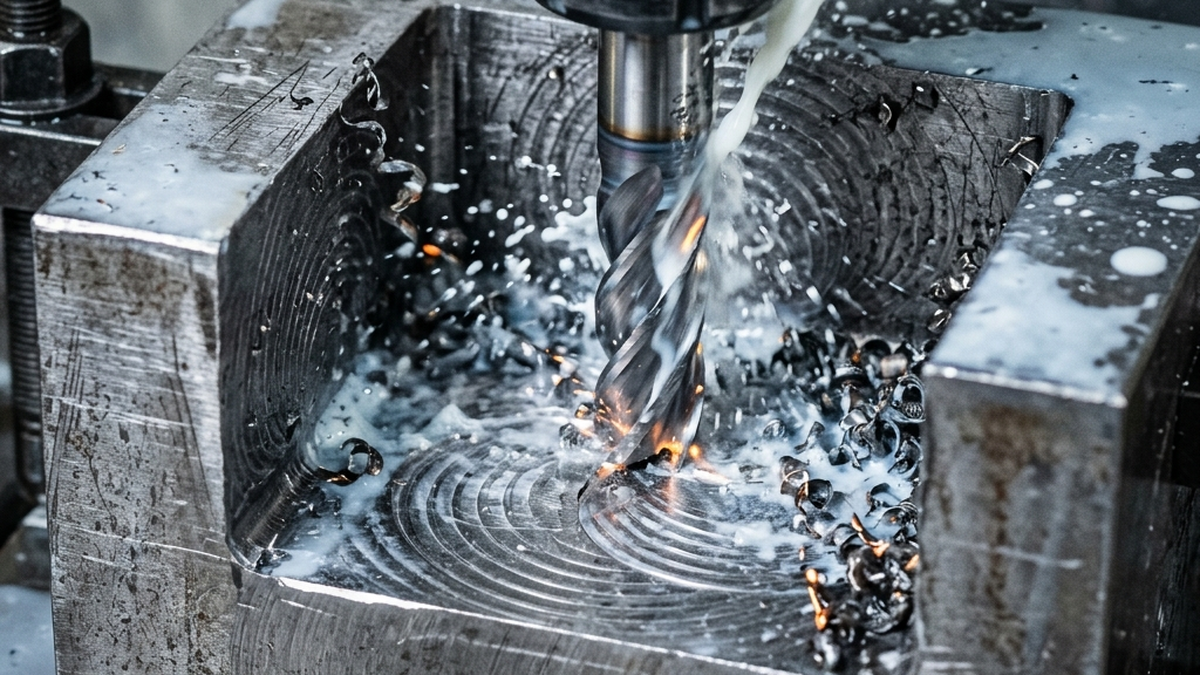
Deep pockets are hard to machine. The deeper you go, the longer the tool must be. Long tools flex and vibrate. This ruins accuracy and surface finish.
| Depth-to-Width Ratio | Difficulty | Tool Type | Cost Impact |
|---|---|---|---|
| Up to 2:1 | Easy | Standard end mill | Base cost |
| 2:1 to 4:1 | Moderate | Standard or slightly extended | 1.2-1.5x |
| 4:1 to 6:1 | Hard | Extended reach end mill | 2-3x |
| 6:1+ | Very hard | Specialty long-reach tooling | 4x+ |
When possible, keep pocket depths under 4x the narrowest width. If your design needs deeper pockets, read our deep pocket milling guide for proven strategies.
Hole Depth Ratios
Drilled holes have limits too. Standard twist drills work well up to 10x their diameter. Beyond that, you need peck drilling or gun drills. Both add cost.
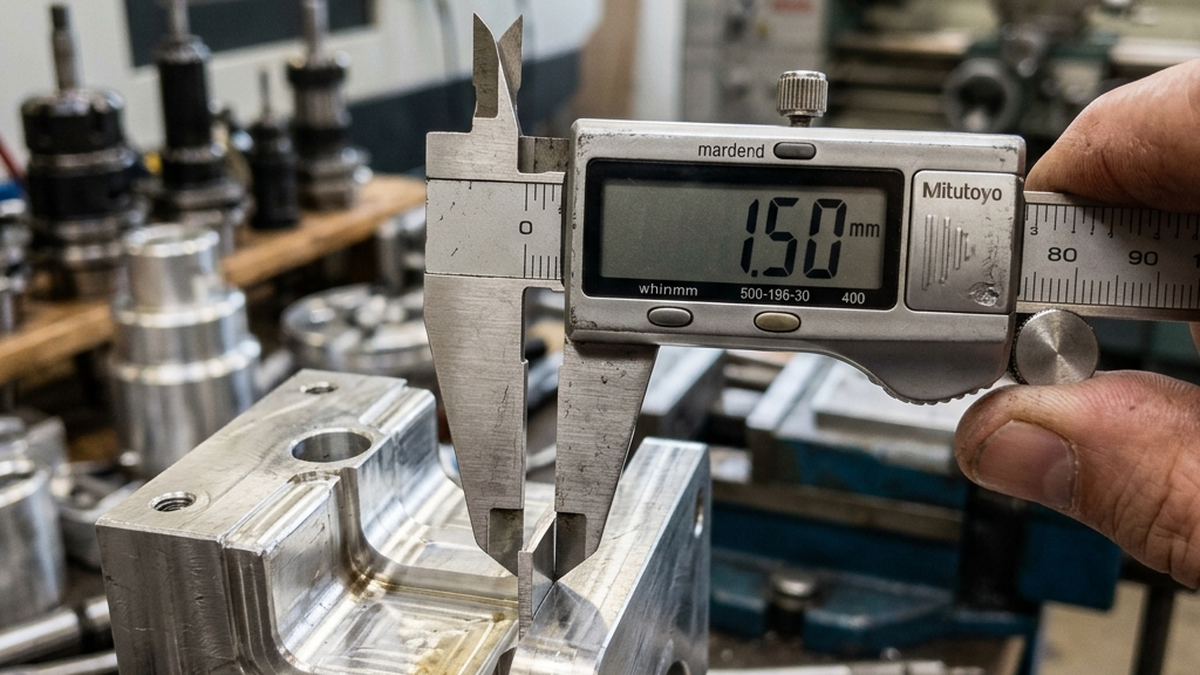
- Standard drills, Up to 10x diameter depth
- Tapped holes, Keep thread depth under 3x nominal diameter
- Reamed holes, Limit depth to 4x diameter for best accuracy
- Blind holes, Leave at least 0.5x diameter of extra depth for the drill point
Use through-holes instead of blind holes whenever your design allows it. Through-holes are easier to drill, tap and inspect. They also clear chips better during machining.
Undercuts
An undercut is any feature a standard end mill cannot reach from above. O-ring grooves, T-slots and dovetails are common examples.
Undercuts need special tools or extra setups. Both add cost. Here is how to handle them.
- Avoid them when possible. Redesign the part so all features are accessible from above.
- Use standard sizes if you must have undercuts. Match to common T-slot cutter or dovetail cutter sizes.
- Keep them shallow. Deep undercuts need long, thin tools that vibrate.
- Add access. A small relief cut near the undercut gives the tool room to work.
O-Ring Grooves
O-ring grooves are the most common undercut. Use standard AS568 groove sizes when possible. Custom groove sizes require custom tools. That means longer lead times and higher costs.
Draft Angles
Draft angles are mostly a casting and molding concern. CNC machines can cut vertical walls just fine. But adding a small draft angle (1-3 degrees) can help in a few cases.
- Deep pockets, A slight draft lets chips slide out more easily
- Thin walls, Draft adds thickness at the base, improving stiffness
- Multi-process parts, If your part starts as a casting, keep the draft for the CNC step
For most CNC-only parts, vertical walls are fine. Do not add draft just because a guideline said so.
How Tolerances Affect Cost
Tight tolerances cost more. It is that simple. Every feature with a tight tolerance needs slower feeds, extra passes, or separate inspection.
| Tolerance Range | Typical Use | Cost Multiplier |
|---|---|---|
| ±0.005" (0.127mm) | Standard machining | 1x (base) |
| ±0.002" (0.050mm) | Precision fits, bearing bores | 1.5-2x |
| ±0.001" (0.025mm) | Tight-fit assemblies, critical datums | 2-3x |
| ±0.0005" (0.013mm) | Aerospace, medical devices | 4-5x |
Only apply tight tolerances to surfaces that actually need them. Mating surfaces, bearing bores and seal faces are good candidates. Everything else should use standard tolerances.
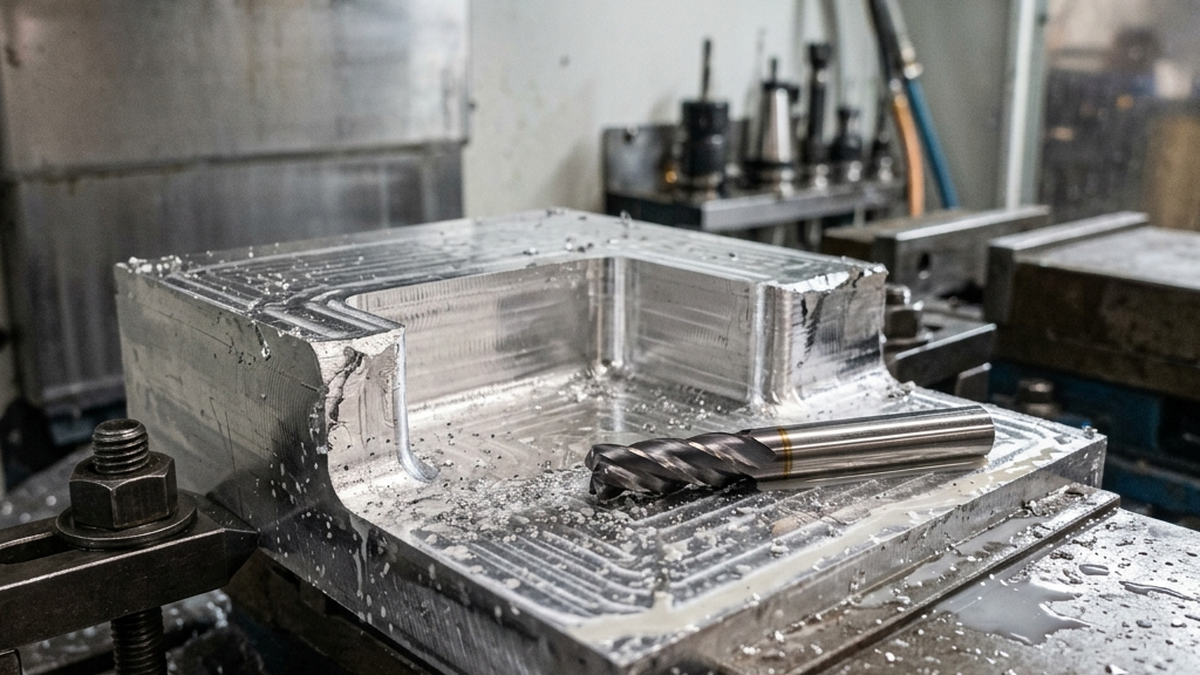
Need help with tolerancing? Check our GD&T Buyer's Guide for a simple breakdown of when and how to use geometric dimensioning and tolerancing.
DFM Checklist
Run through this list before sending your CAD file for a quote. Fixing these issues in CAD costs nothing. Fixing them on the shop floor costs a lot.
- Wall thickness, No walls thinner than 0.8mm for metals
- Corner radii, At least 1/3 the pocket depth, matching standard tool sizes
- Pocket depth, Under 4x the narrowest width
- Hole depth, Under 10x diameter for drilled, 3x for tapped
- Undercuts, Eliminated or using standard tool sizes
- Tolerances, Tight only where needed, standard everywhere else
- Thread specs, Standard sizes per threading standards, proper callouts (see our thread guide)
- Surface finish, Specified only on critical surfaces
- Material, Chosen for function, not just strength
- Part orientation, Designed for minimum setups
Not sure if your design is shop-ready? Upload your CAD file to RivCut and get a free DFM review with every quote. Our engineers flag cost-saving opportunities before you commit.
Frequently Asked Questions
What is Design for Manufacturability (DFM)?
DFM is a set of design rules. They make parts easier and cheaper to machine. Good DFM means fewer setups, faster cycle times and lower costs.
What is the minimum wall thickness for CNC parts?
For metals, keep walls at least 0.8mm (0.031") thick. For aluminum, 0.5mm is possible but risky. Thinner walls vibrate during cutting and cause poor surface finish.
What corner radius should I use?
Use a corner radius of at least 1/3 the pocket depth. Match to standard end mill sizes like 3mm, 4mm, 6mm, or 8mm. Bigger radii mean faster machining and lower cost.
How deep can CNC mill a pocket?
Standard tools reach 4x their diameter. A 10mm end mill can cut a 40mm deep pocket. Deeper pockets need special tools that cost more and cut slower.
How does DFM affect CNC machining cost?
Good DFM can cut costs by 30-50%. The biggest savings come from avoiding tight tolerances where not needed, using standard tool sizes and keeping pocket depths within standard reach.
What are undercuts and should I avoid them?
Undercuts are features a standard end mill cannot reach from above. They need special tools or extra setups. Avoid them when possible. If you need them, use standard sizes.