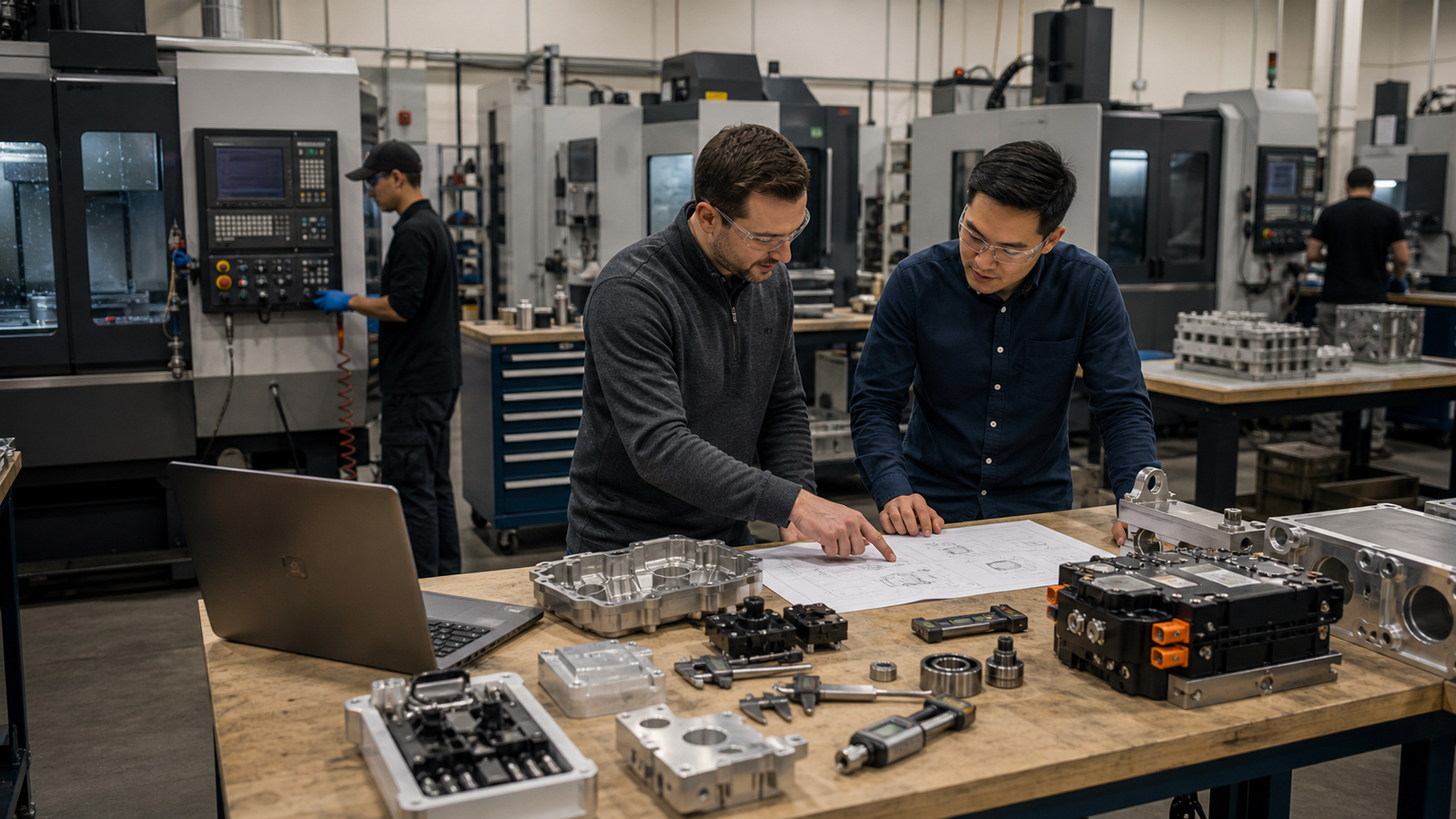
The Reshoring Boom
Companies are bringing manufacturing back to the US. Supply chain shocks taught hard lessons. Waiting 12 weeks for parts from overseas is a risk many firms will not take again.
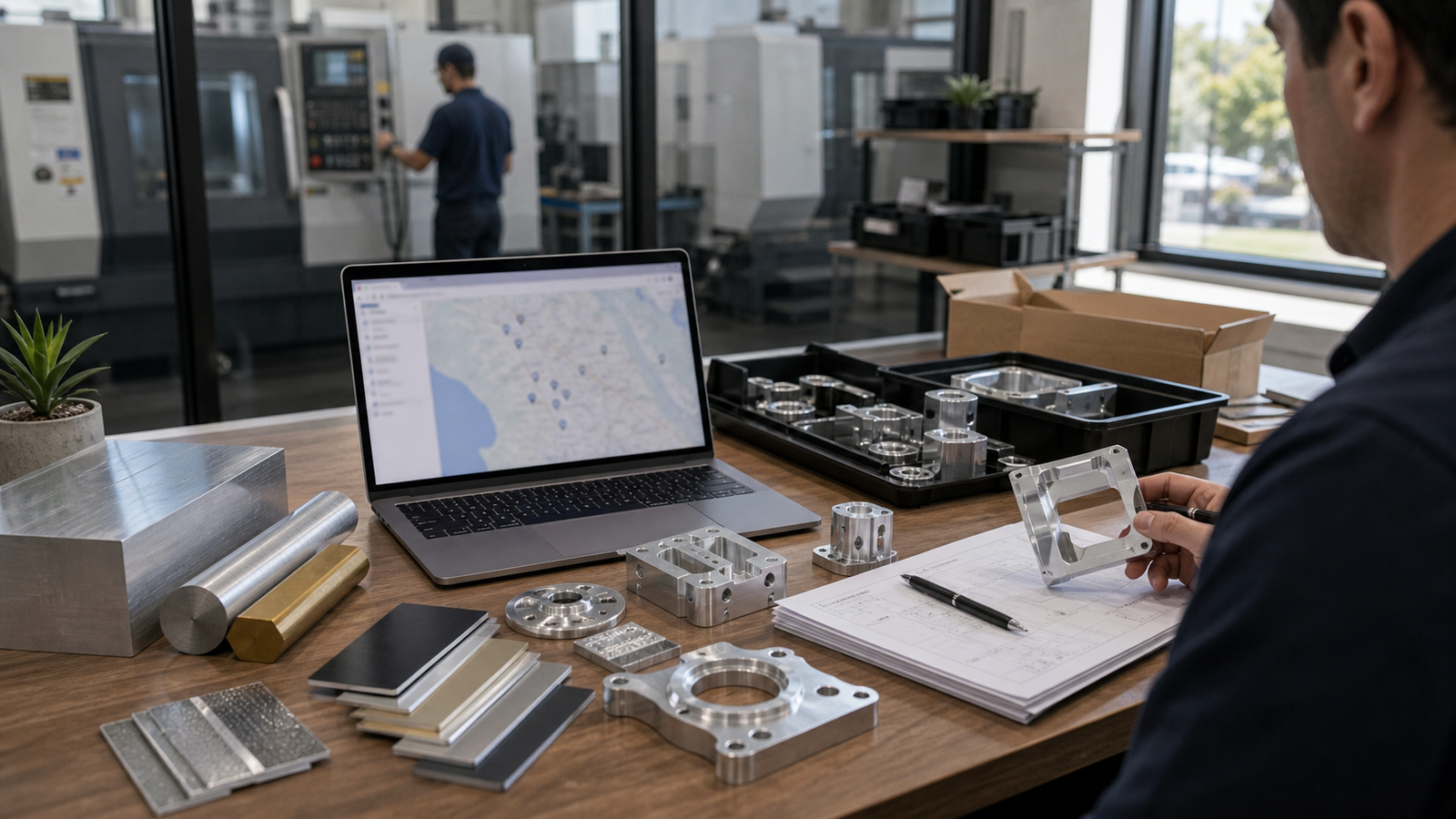
The Bay Area benefits directly. Companies want their CNC shop close to their engineering team. A 30-minute drive beats a 30-day ocean shipment.
The Reshoring Initiative reports over 350,000 US manufacturing jobs announced in 2025 alone. California leads the West Coast in reshored activity.
Federal incentives help too. The CHIPS Act and Inflation Reduction Act fund domestic production. Companies can offset higher US labor costs with these programs.
Read more about the reshoring decision in our comparison guide: California vs Overseas CNC Manufacturing.
Automation and Robotics
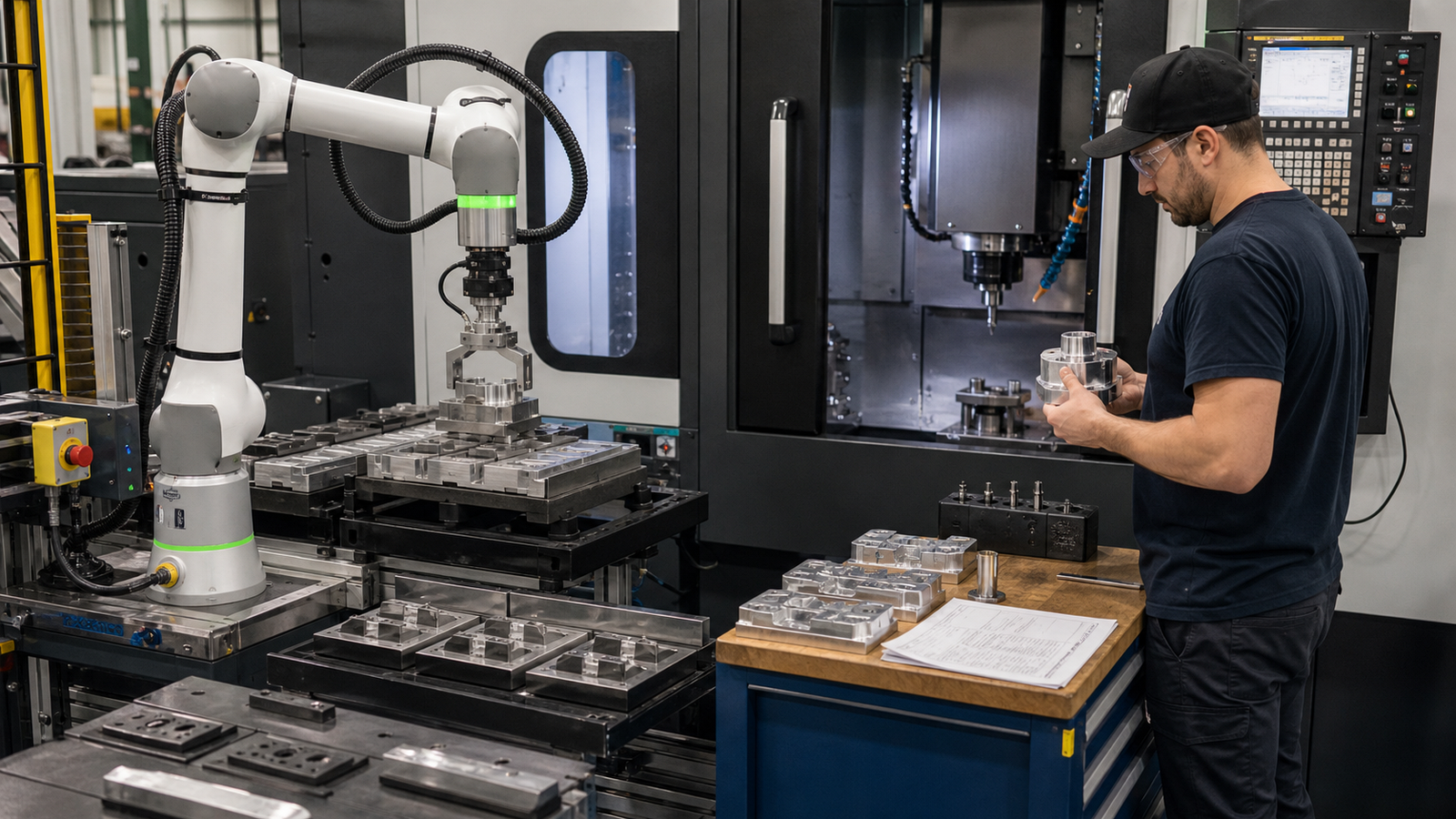
Labor shortages push Bay Area shops to automate. Robotic part loading, automated inspection and lights-out machining are becoming standard.
Small shops benefit the most. A single robot loader can run a CNC machine through the night. That doubles output without adding a second shift.
- Cobots work alongside machinists for loading and deburring
- Automated pallet systems keep machines running between jobs
- Vision-based inspection checks parts faster than manual methods
- Lights-out machining runs jobs unattended overnight
AI in Manufacturing
AI is already changing how CNC shops work. It is not science fiction. It is happening on shop floors right now.
The biggest impact areas include:
- Instant quoting, AI reads CAD files and generates prices in minutes
- Toolpath optimization, Algorithms find faster cutting paths
- Predictive maintenance, Sensors detect tool wear before it causes scrap
- Quality prediction, Machine learning spots defects before they happen
Read our deep dive: AI + CNC Workflow: How AI Is Changing CNC Machining.
EV and Clean Energy Demand
Electric vehicles need precision parts. Battery housings, motor components and thermal management systems all require CNC machining.
California leads the US in EV adoption. That creates local demand for machined parts across the supply chain.
| EV Component | Material | Typical Tolerance |
|---|---|---|
| Battery housing | 6061 Aluminum | +/- 0.005" |
| Motor end caps | A356 Cast Aluminum | +/- 0.002" |
| Cooling plates | 6063 Aluminum | +/- 0.003" |
| Inverter housings | ADC12 Die Cast | +/- 0.005" |
The Hardware Startup Boom
Silicon Valley keeps building hardware. Robotics companies, drone makers, medical device startups and wearable tech firms all need machined parts.
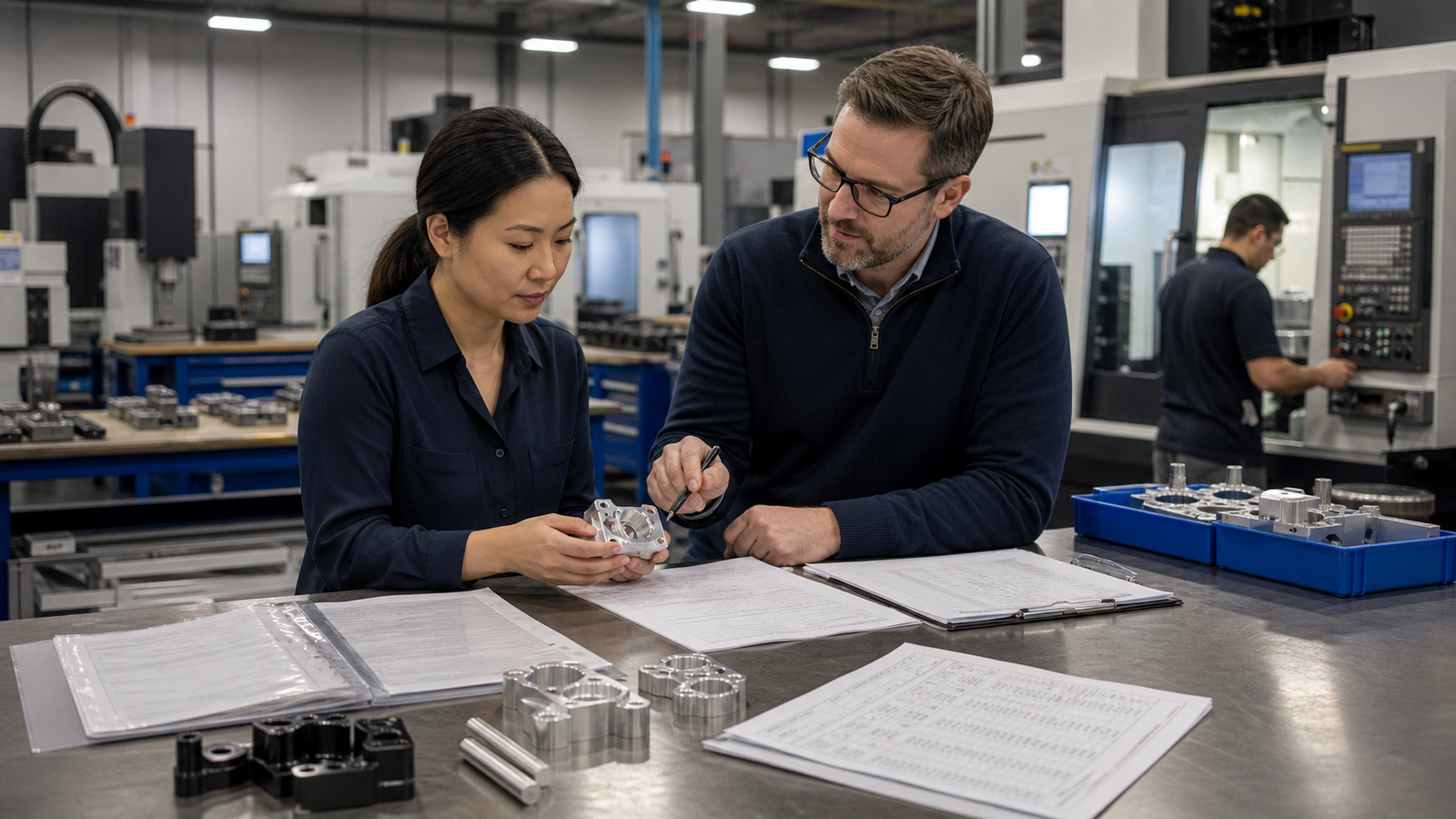
These startups need a different kind of CNC shop. They want:
- Low minimums, Orders of 5 to 50 parts, not 5,000
- Fast turns, Prototypes in 3 to 5 days
- DFM help, Engineering support to make designs manufacturable
- NDA protection, IP security from day one
- Scalable production, A smooth path from prototype to production
Learn more: CNC Machining for Silicon Valley Startups.
Sustainability in Manufacturing
Green manufacturing is not optional anymore. Customers ask about environmental practices. RFQs include sustainability questions.
Bay Area shops are responding with real changes:
- Chip recycling, Aluminum and steel chips get recycled, not landfilled
- Coolant management, Closed-loop systems extend coolant life
- Energy-efficient machines, Modern CNCs use 30% less power
- Material optimization, Better nesting reduces raw material waste
Read more: Sustainable CNC Machining.
The Bay Area is not losing manufacturing. It is reinventing it. Shops that embrace automation, AI and sustainability will thrive in 2026 and beyond.
Frequently Asked Questions
Is manufacturing growing in the Bay Area?
Yes. Reshoring trends, hardware startup growth and EV demand are driving new activity. Shops that invest in automation see the biggest gains.
How is AI changing CNC manufacturing?
AI speeds up quoting, optimizes toolpaths, predicts maintenance needs and catches defects earlier. It reduces cycle times and waste.
What industries drive Bay Area manufacturing?
Aerospace, defense, medical devices, semiconductor equipment, EV components, robotics and hardware startups lead the demand.
Why are companies reshoring to the Bay Area?
Supply chain disruptions, IP protection, quality control and faster iteration push companies to local shops.
How is sustainability affecting CNC machining?
Shops invest in chip recycling, coolant management, energy-efficient machines and material waste reduction. Customers now require sustainability reporting.
Why Regional Supply Chains Matter Again
The Bay Area’s manufacturing future is being shaped by a return to regional resilience. Companies still care about unit price, but they now care more about responsiveness, supply chain visibility and the ability to iterate with engineering. NIST MEP’s reshoring resources reflect a broader national trend: manufacturers are looking for ways to bring critical capabilities closer to home when distance creates too much risk.
For Bay Area hardware companies, that trend is especially important. A startup building robotics, medical devices, clean-energy hardware or semiconductor equipment cannot always wait weeks for revised parts. When the design changes after testing, nearby machine shops, sheet metal suppliers, finishers and inspection labs become part of the engineering loop.
The future is not a return to old-fashioned manufacturing. It is a tighter connection between design, machining, inspection, automation, data and logistics. The shops that win will be the ones that can respond quickly, document clearly and support both prototypes and low-volume production.
Automation Will Help, But Skilled People Still Matter
Automation is changing Bay Area manufacturing, but it does not remove the need for machinists, programmers and manufacturing engineers. Robots can load parts. Probing can measure offsets. CAM automation can speed programming. But someone still has to decide how to hold a part, where to leave stock, which tolerance matters and how to recover when a tool wears unexpectedly.
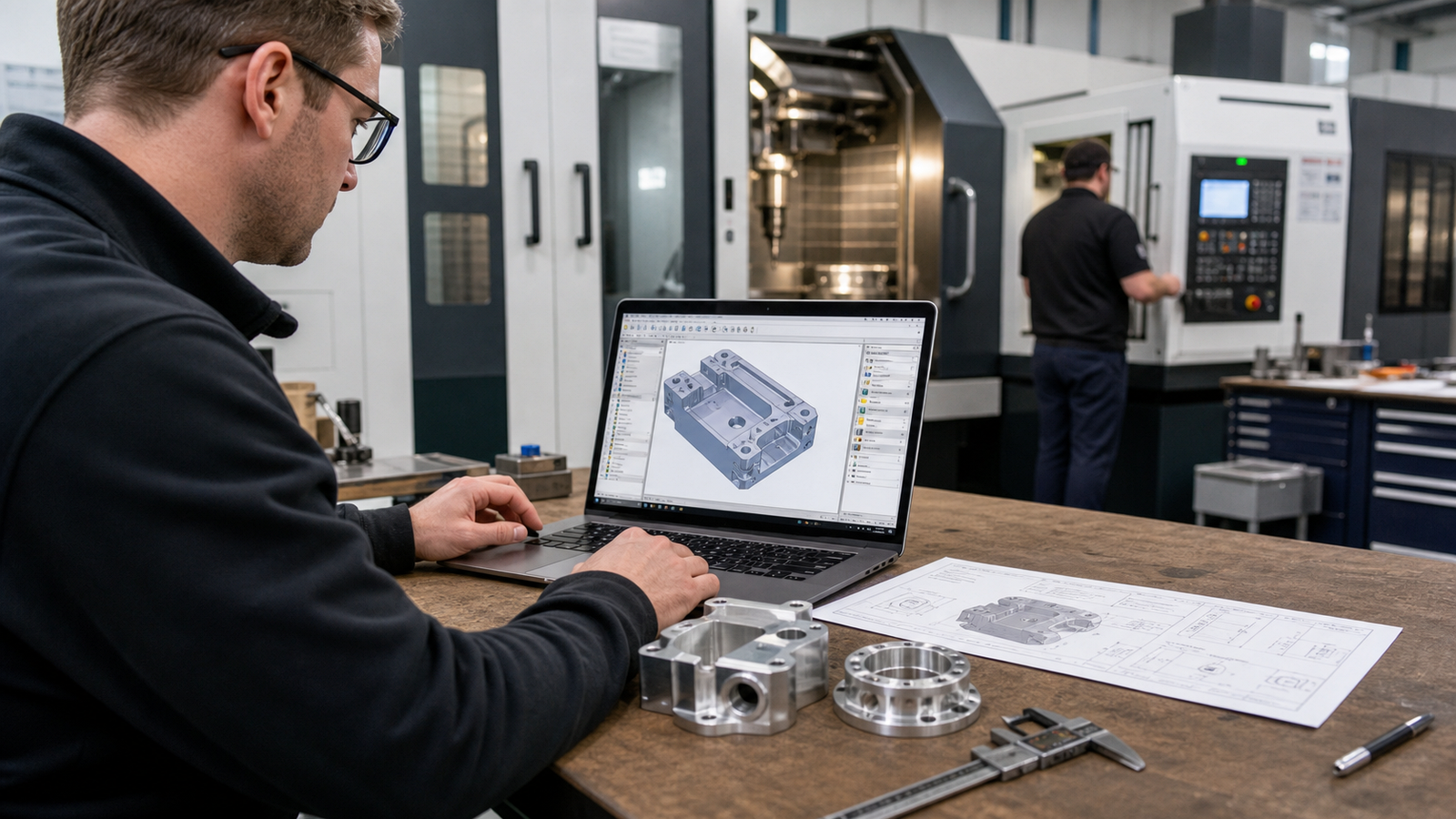
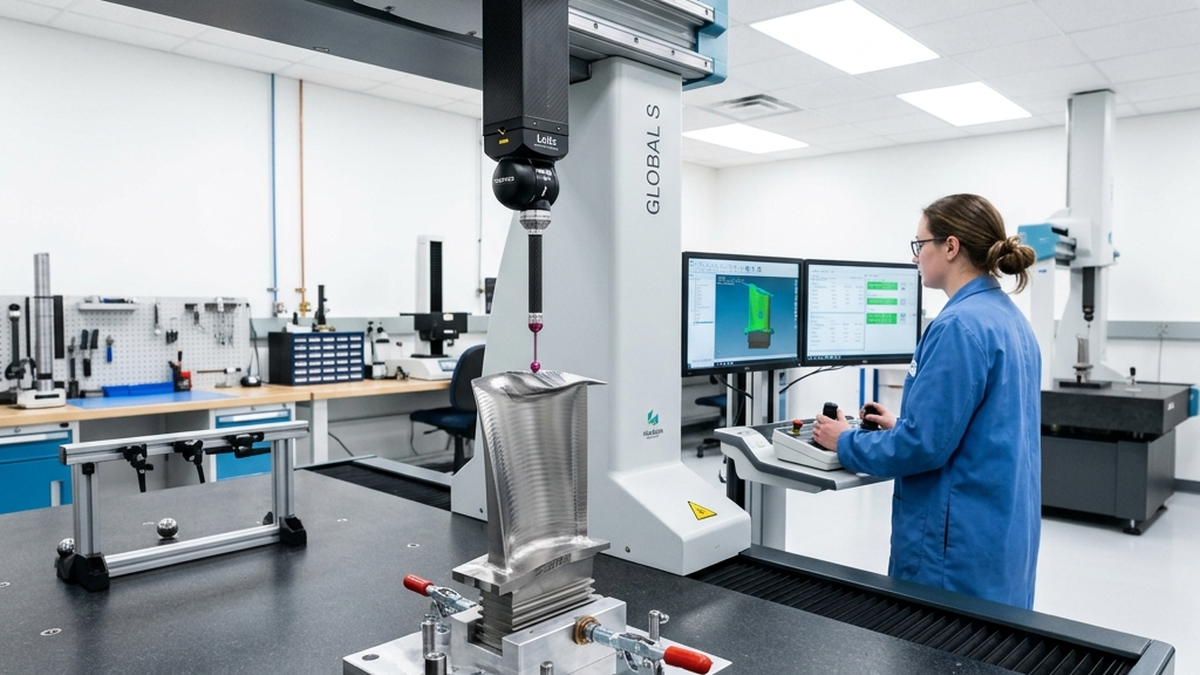
This is why the best shops combine automation with experienced judgment. Five-axis mills, pallet systems, probing routines and digital travelers help reduce variation. Skilled people turn those tools into reliable parts. For buyers searching for Bay Area CNC automation trends, the real question is not whether a shop has automation. It is whether that automation improves quality, lead time and repeatability.
Hardware startups will also influence the region. The Bay Area still produces companies that need prototypes, pilot builds and production partners. As venture-backed hardware, defense technology, robotics, energy storage and semiconductor equipment grow, local manufacturing capacity becomes a competitive advantage.
Long-Tail Questions This Article Answers
This article covers future of Bay Area manufacturing 2026, Bay Area CNC machining trends, reshoring manufacturing in California, automation in small machine shops, hardware startup manufacturing Bay Area, local supply chain for robotics startups, semiconductor equipment manufacturing Bay Area and sustainable manufacturing trends in California.
The Bay Area will not compete by being the cheapest place to make parts. It will compete by being fast, technical, collaborative and close to the engineering teams creating the next product.
What Buyers Should Watch Over the Next Few Years
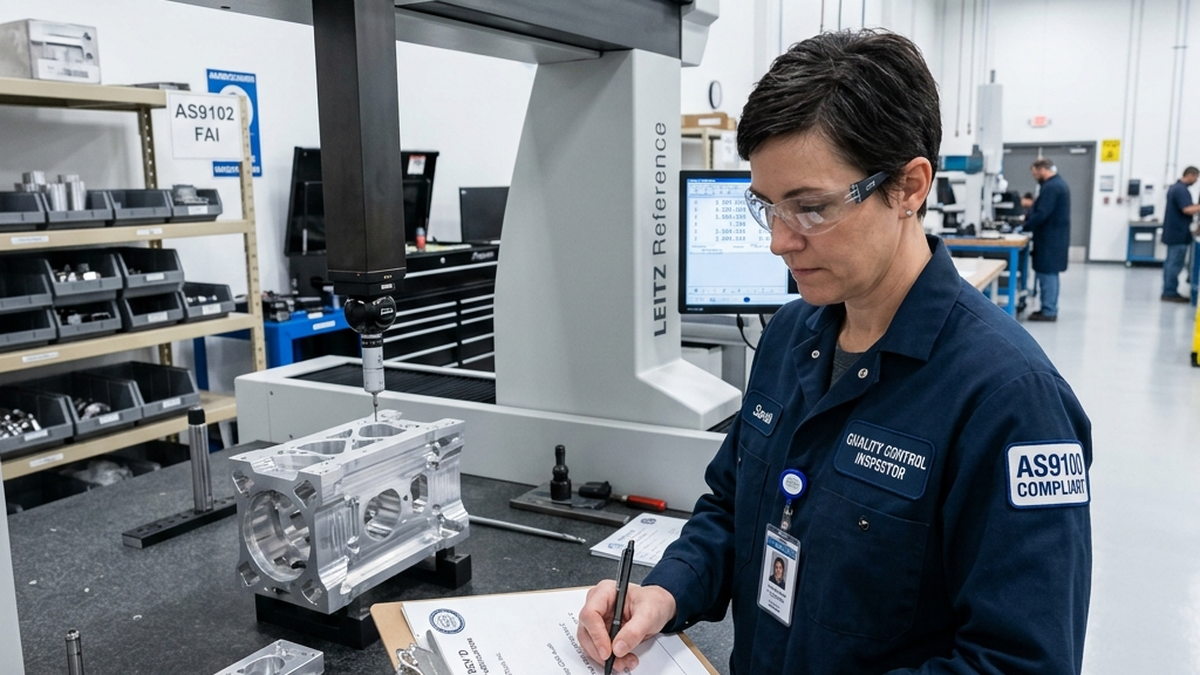
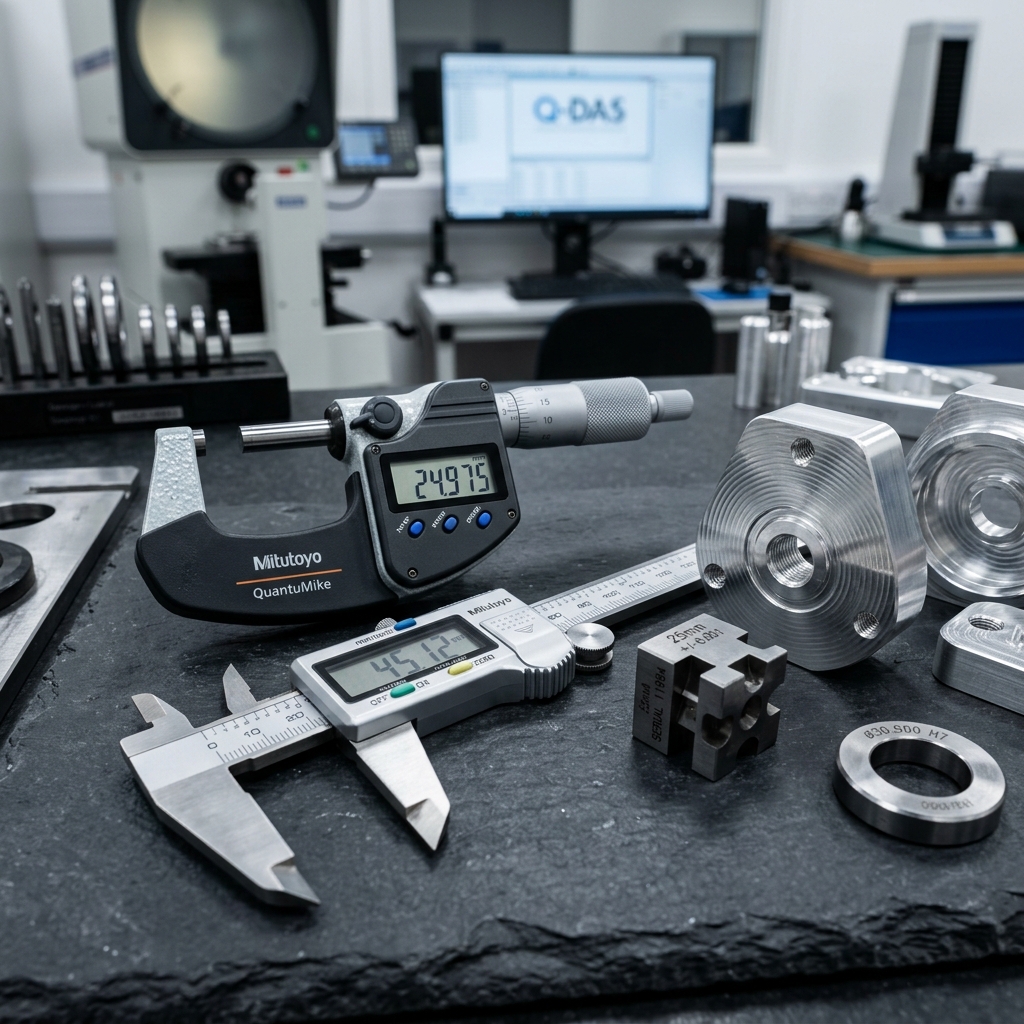
Buyers should watch three signals: lead time, technical capability and supplier communication. A shop investing in probing, automation, inspection and digital quoting may be better prepared for complex low-volume work than a shop competing only on hourly rate.
Regional supplier networks will also matter. A machine shop that has reliable finishing, heat treating, inspection and material partners can deliver more complete parts with fewer handoffs for the buyer. This is especially valuable for startups that do not yet have a full supply chain team.
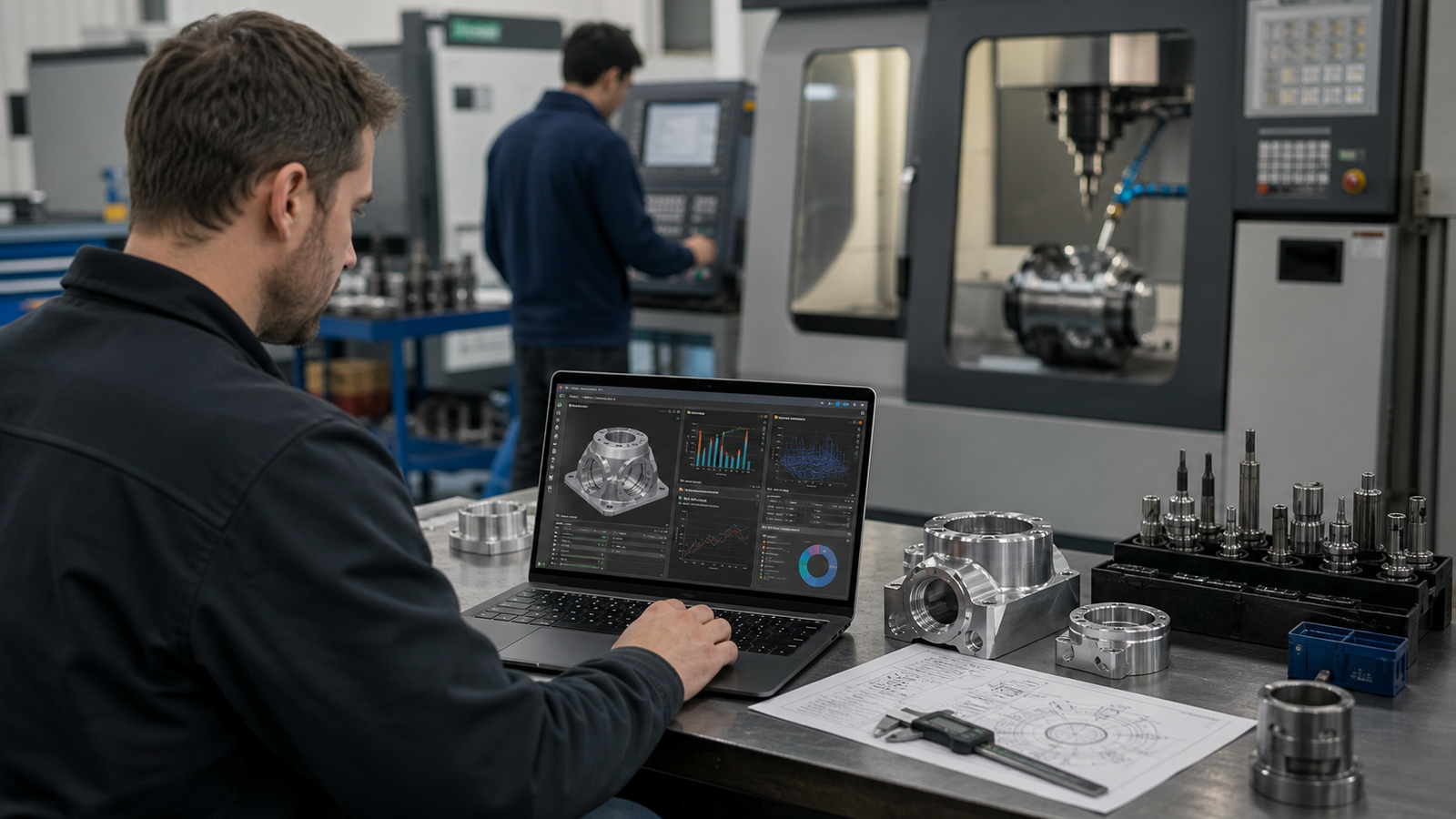
The Bay Area’s advantage is proximity to engineering. The future belongs to suppliers who turn that proximity into faster feedback, better manufacturability and shorter product-development cycles.
Common Planning Mistakes to Avoid
Companies often underestimate how much manufacturing feedback shapes product design. Waiting until the design is frozen to involve suppliers can lock in expensive features. Another mistake is assuming automation alone creates capacity. Automation works best when the part, fixture and inspection plan are stable. A third mistake is treating local suppliers as emergency-only resources. The strongest hardware teams build relationships before the urgent build arrives.
For best results, send the shop the model, drawing, quantity, revision status, target lead time and any inspection or documentation requirements at the start. Clear inputs help the supplier quote the real job, choose the right setup and avoid surprises after machining begins.
Final Buyer Takeaway
The best machining outcome usually comes from matching the quote package to the real manufacturing risk. A simple bracket may only need a clean model, standard material and normal inspection. A thin, cosmetic, regulated or schedule-critical part needs more context. Share the part function, mating features, quantity forecast, finish expectations and the reason any tight tolerance exists. That information lets the shop recommend a practical process instead of guessing from geometry alone.
For SEO and answer-engine clarity, this article intentionally addresses specific buyer searches rather than broad definitions only. Those long-tail questions are often the same questions a manufacturing engineer asks before releasing a purchase order: how will the part be held, what records are required, how will cost change at quantity and which risks should be solved before the first chip is cut?
As a final check, review the article against the actual purchase order before sending files. The safest quote packages connect engineering intent, required documents, acceptable finishes and delivery expectations in one place, which helps both the buyer and the shop avoid rework.