True Cost Comparison
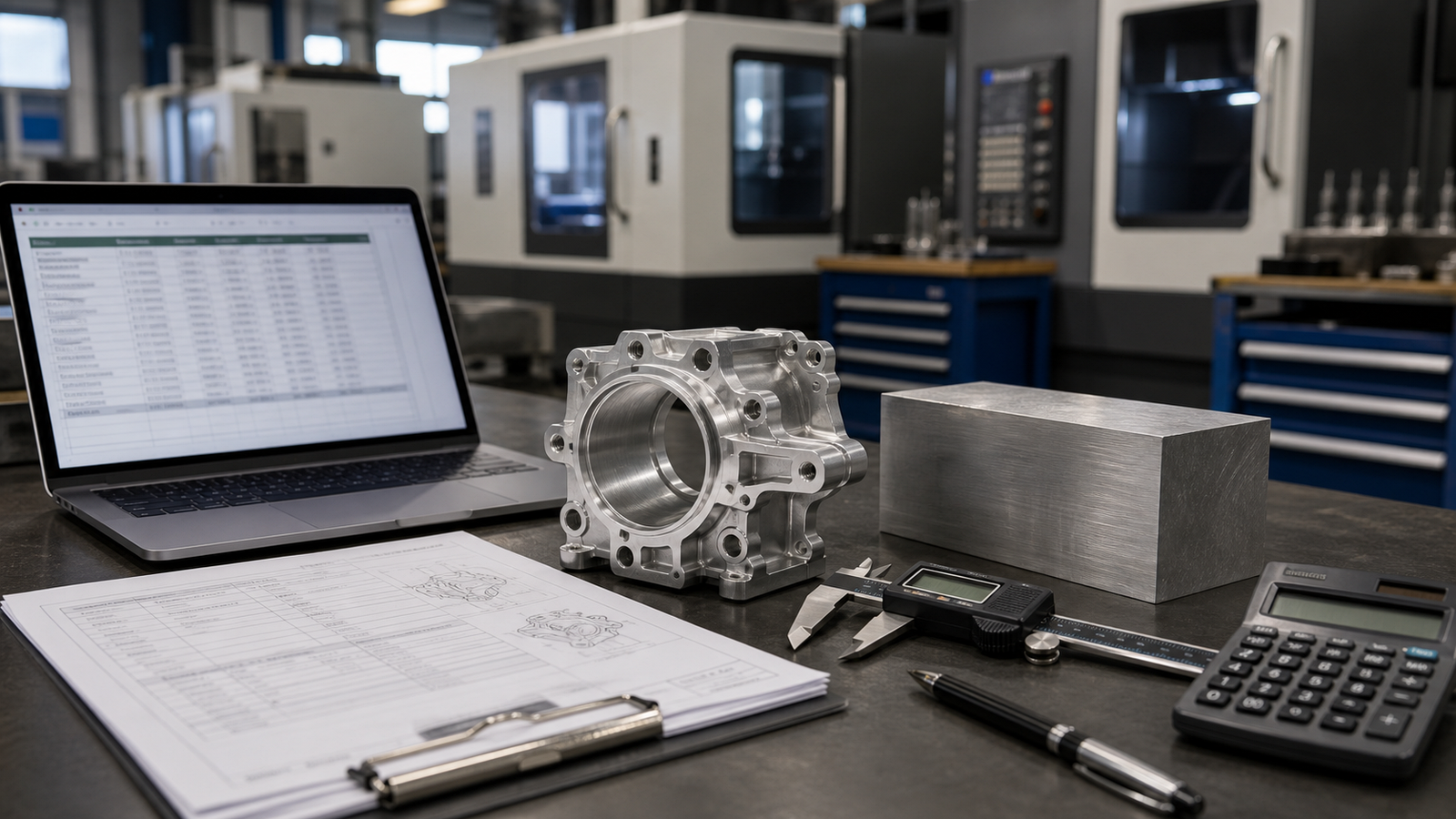
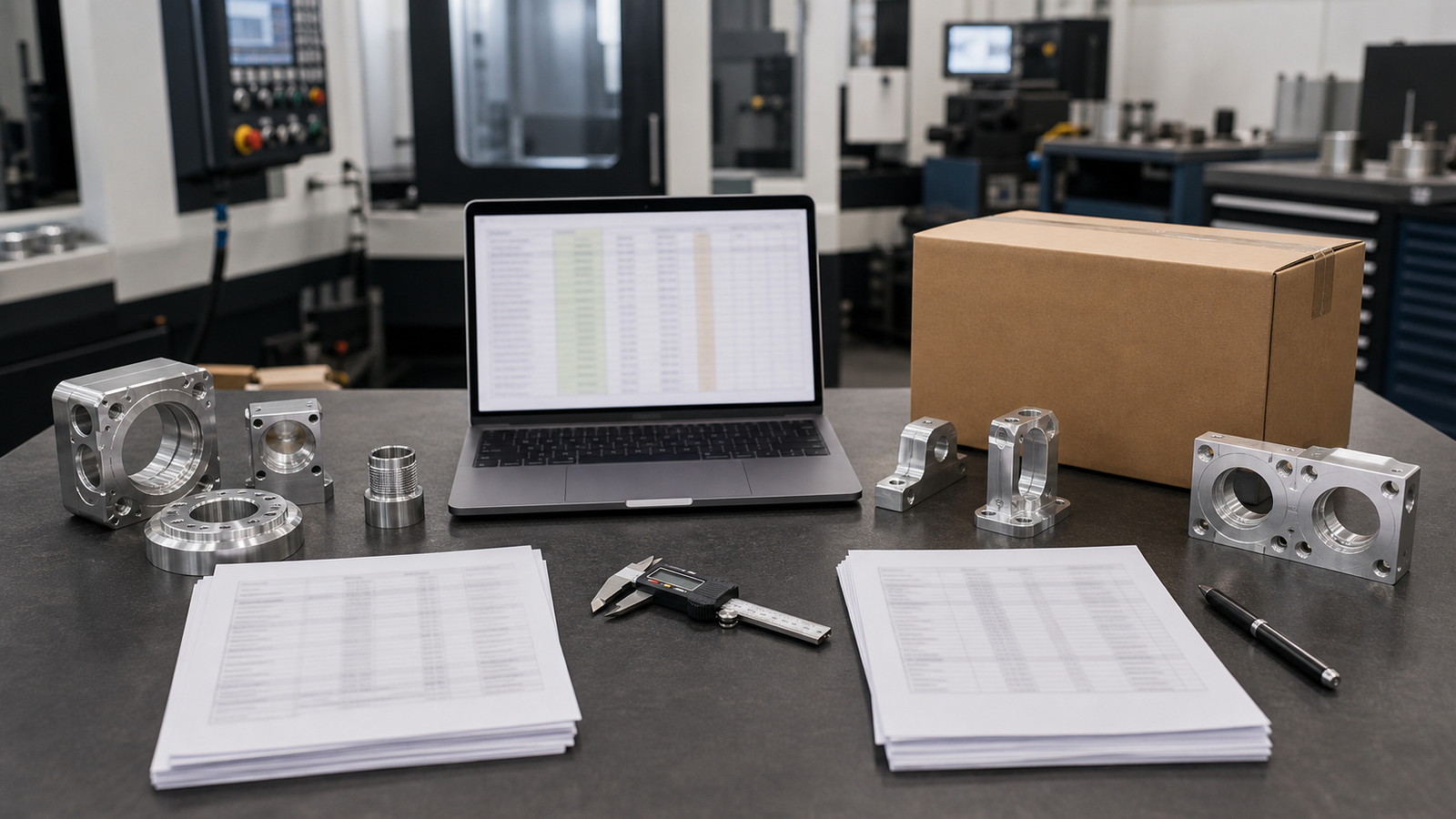
The quote from an overseas shop looks 40-60% cheaper. But that is the per-part price, not the total cost. You need to add all the extras to compare fairly.
| Cost Factor | California | Overseas |
|---|---|---|
| Per-part price (100 pcs) | $45 | $18 |
| Shipping | $50 total | $800-2,000 |
| Customs & duties | $0 | $200-500 |
| Quality inspection | Included | $300-800 (3rd party) |
| Rework (est. 5-10%) | Rare | $500-1,500 |
| Communication time | 2-4 hrs | 10-20 hrs |
| Total landed cost | ~$4,550 | ~$3,600-5,600 |
For 100 parts, the gap is small or nonexistent. Offshore savings only become clear at 1,000+ parts where the per-part price dominates.
Hidden Costs of Going Offshore
The quote is just the start. Here are costs that do not show up on the invoice:
- Time zone delays, A simple question takes 24 hours instead of 2 hours
- Language barriers, Miscommunication leads to wrong parts
- Travel for inspections, Flying to audit a factory costs $3,000-5,000 per trip
- Inventory holding, You order more to buffer long lead times
- Rework and scrap, Parts that do not meet spec cost you time and money
- Tariffs, Import duties add 7-25% depending on the material
One rejected overseas shipment can wipe out a year of per-part savings. Budget for at least one rework cycle when planning offshore orders.
Quality Differences
Quality varies shop by shop, not country by country. Great shops exist everywhere. But controlling quality is harder from 7,000 miles away.
Here is what makes local quality easier:
- You can visit the shop and inspect parts in person
- Problems get solved in hours, not days
- You speak the same language, literally
- The shop understands US standards and call-outs
- Inspection reports use formats you know
Lead Time Reality
Overseas machining time might be similar. But total lead time is not. Here is a realistic breakdown:
| Phase | California | Overseas |
|---|---|---|
| Quoting | 1-2 days | 2-5 days |
| Machining | 5-10 days | 7-14 days |
| Finishing | 2-3 days | 3-5 days |
| Shipping | 1-3 days | 25-45 days (sea) |
| Total | 9-18 days | 37-69 days |
The shipping time alone kills speed. Air freight cuts it to 5-7 days, but erases most cost savings.
IP Risk
This is the risk nobody prices into their spreadsheet. But it is real.
- Your CAD files live on someone else's server in another country
- NDAs are harder to enforce across borders
- Your design could end up with a competitor
- Some factories have been caught filing patents on customer designs
A local California shop under a US NDA gives you legal protection. Courts enforce it. That peace of mind has real value.
When Offshore Makes Sense
Offshore is not always wrong. It makes sense when:
- Volume is high, 5,000+ parts where per-part cost dominates
- Parts are simple, Standard tolerances, no complex features
- Timeline is flexible, You can wait 8-10 weeks
- IP is not sensitive, The design is not proprietary
- You have a quality agent, Someone inspects parts at the factory
The best strategy for many companies: prototype and low-volume production locally, then consider offshore for high-volume commodity parts. Keep your critical and complex parts with a local shop you trust.
Frequently Asked Questions
Is CNC machining cheaper overseas?
The per-part price is lower. But total landed cost includes shipping, customs, rework and time. For under 500 parts, California is often cheaper overall.
How long does shipping take from overseas?
Ocean freight takes 4-6 weeks. Air takes 5-7 days but costs 5-10x more. Add customs clearance time on top.
What are the IP risks?
Your designs could be shared or copied. NDAs are harder to enforce across borders. Local shops give you stronger legal protection.
When does offshore make sense?
High volume, simple parts, flexible timelines and non-sensitive IP. If you meet all four, offshore can save money.
What about quality?
Quality varies shop by shop. But communication barriers and limited inspection access make overseas quality harder to control.
Total Landed Cost Is the Real Comparison
Overseas manufacturing can look cheaper when the quote only compares unit price. The real comparison is total landed cost: part price, freight, tariffs, duties, payment terms, inspection, rework, scrap, engineering time, communication delay and the cost of schedule risk. For CNC machined parts, a low unit price can disappear quickly if the first batch arrives with a tolerance issue or the design changes before the shipment lands.
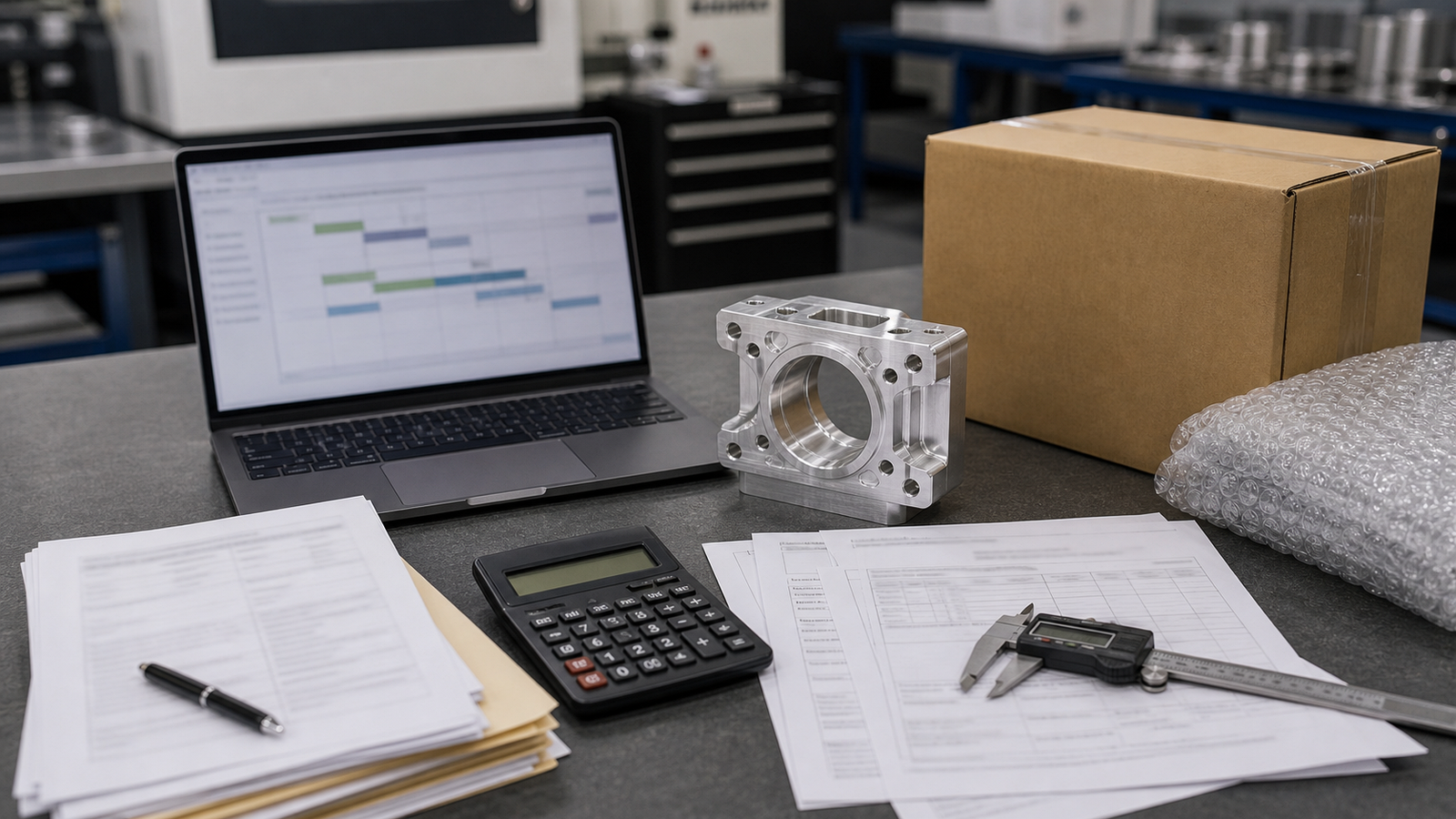
California machining usually costs more per spindle hour, but it can reduce the cost of iteration. When engineers can talk directly with the shop, update a model, approve a first article and receive parts in days instead of weeks, the product development cycle gets shorter. That matters for hardware startups, aerospace suppliers, medical-device teams and companies working through a late design change.
NIST MEP has emphasized reshoring and regional supply chain resilience as practical tools for smaller manufacturers. For buyers, that means local sourcing is not only patriotic language. It is a risk management strategy when the part is high value, time sensitive, export controlled or still changing.
When California CNC Manufacturing Wins
Local manufacturing wins when engineering feedback is valuable. If your drawing has incomplete tolerances, unclear finish callouts or geometry that is expensive to machine, a California shop can help solve the problem before production. Overseas suppliers can also be skilled, but distance and time zones make fast DFM loops harder.
Local machining also wins for low-volume production, bridge production and regulated work. A 20-piece pilot run, a 75-piece urgent replacement order or a traceable aerospace prototype may not be a good fit for a long offshore supply chain. California shops are often better positioned for low volume CNC machining in California, quick turn CNC parts made in the USA and prototype to production machining near me.
Offshore production can still make sense for stable, mature parts with high annual volume, proven inspection plans and enough time to absorb logistics. The best sourcing strategy may even be staged: prototype locally, validate production locally, then dual-source when the design is frozen and demand is predictable.
Long-Tail Questions This Article Answers
This guide covers California CNC manufacturing vs overseas machining, total landed cost for offshore CNC parts, when local CNC machining beats overseas suppliers, reshoring CNC machined parts to the USA, California prototype machining for hardware startups, overseas CNC machining quality risk, domestic CNC supply chain for regulated parts and local vs offshore CNC lead time comparison.
The simplest rule: offshore mature commodities, but keep uncertain, urgent and high-risk machined parts close to engineering until the process is proven.
How to Compare Quotes Fairly
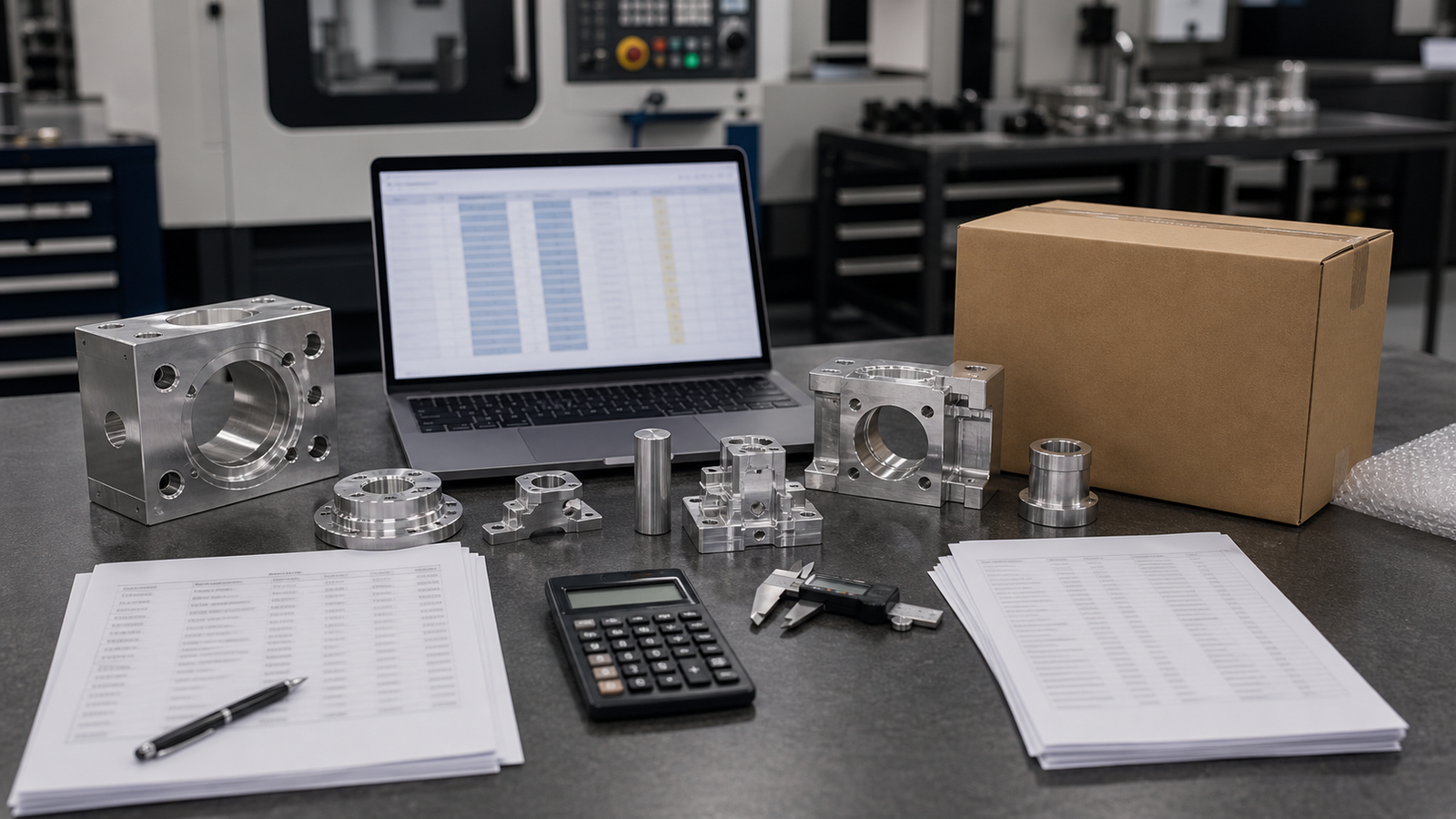
When comparing California and overseas quotes, build a simple worksheet. Include unit price, setup charges, shipping, tariffs, inspection, expected rework, payment terms and the cost of engineering delay. A quote that looks 40 percent cheaper can become more expensive if one drawing clarification takes three days across time zones.
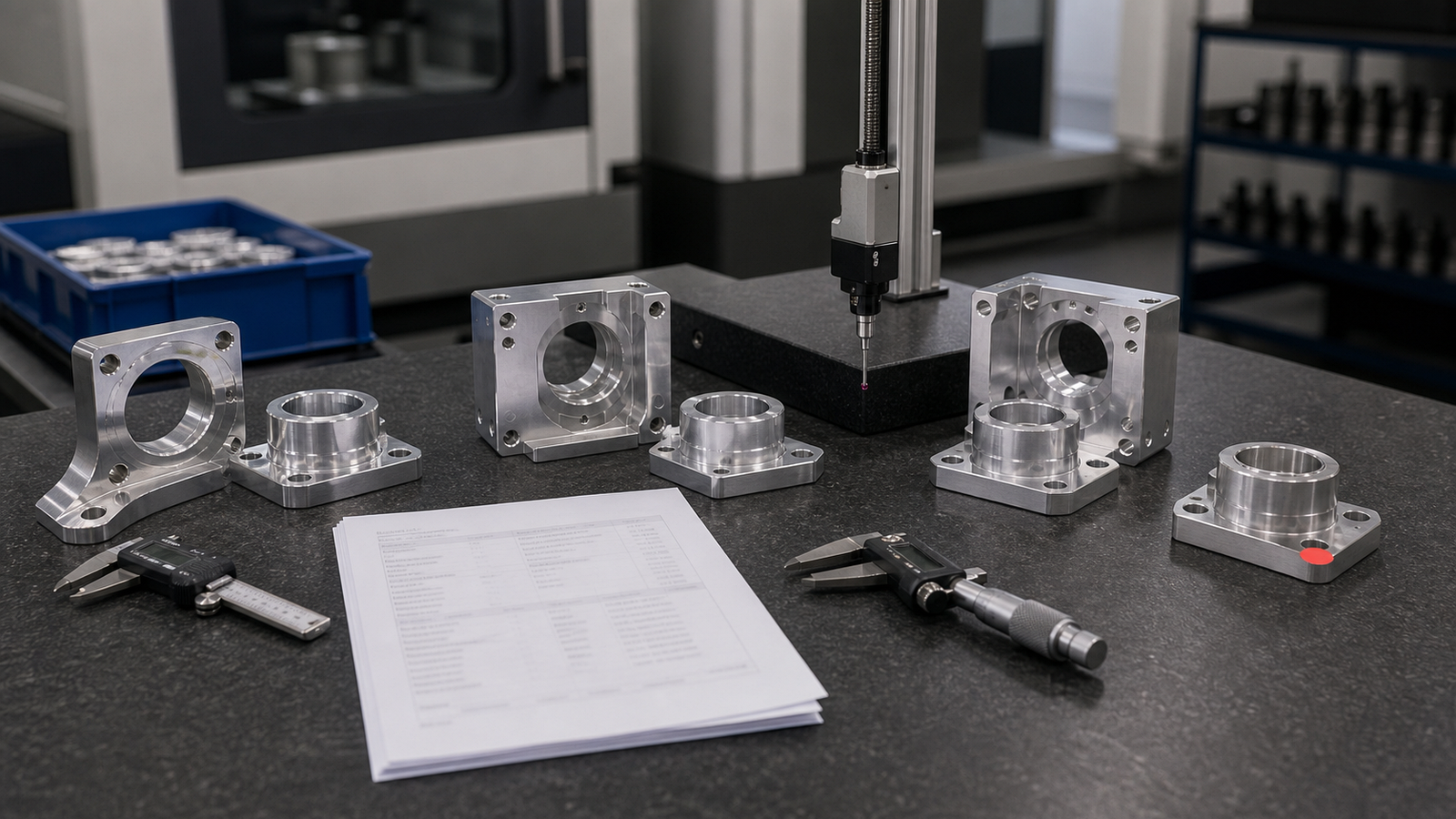
Ask both suppliers what happens when a part fails inspection. Who pays for remake, shipping and schedule recovery? Local shops are easier to visit, audit and troubleshoot. Overseas suppliers may still be the right answer for mature parts, but the risk plan should be explicit.
For launch programs, many teams choose local manufacturing until the design stabilizes, then evaluate offshore or dual sourcing. That keeps engineering fast while the product is still changing.
Common Sourcing Mistakes to Avoid
The most common mistake is comparing only unit price. Buyers should compare landed cost and the cost of delay. Another mistake is moving offshore before the design is stable. Every design change becomes slower when the supplier is far away. A third mistake is failing to define inspection acceptance before shipment. If the overseas supplier and buyer measure the part differently, the savings can disappear in rework and dispute time.
For best results, send the shop the model, drawing, quantity, revision status, target lead time and any inspection or documentation requirements at the start. Clear inputs help the supplier quote the real job, choose the right setup and avoid surprises after machining begins.
Final Buyer Takeaway
The best machining outcome usually comes from matching the quote package to the real manufacturing risk. A simple bracket may only need a clean model, standard material and normal inspection. A thin, cosmetic, regulated or schedule-critical part needs more context. Share the part function, mating features, quantity forecast, finish expectations and the reason any tight tolerance exists. That information lets the shop recommend a practical process instead of guessing from geometry alone.
For SEO and answer-engine clarity, this article intentionally addresses specific buyer searches rather than broad definitions only. Those long-tail questions are often the same questions a manufacturing engineer asks before releasing a purchase order: how will the part be held, what records are required, how will cost change at quantity and which risks should be solved before the first chip is cut?
As a final check, review the article against the actual purchase order before sending files. The safest quote packages connect engineering intent, required documents, acceptable finishes and delivery expectations in one place, which helps both the buyer and the shop avoid rework.