Why Defense Machining Is Different
Defense parts protect people. A failure can cost lives. That is why the government controls every step of the process. Who makes the parts. Where the metal comes from. How the work is documented.
If you buy or make defense CNC parts, you need to understand three things: ITAR, DFARS and mil-spec requirements. Miss any one of them and your parts cannot ship.
ITAR Compliance
ITAR stands for International Traffic in Arms Regulations. It controls who can access defense-related technical data and hardware. The goal is to keep military technology within approved hands.
What ITAR Means for Machine Shops
- Registration: Your shop must register with DDTC (Directorate of Defense Trade Controls)
- Access control: Only US persons can view ITAR-controlled drawings and data
- Physical security: ITAR parts and data must be stored securely
- No foreign nationals: Non-US citizens cannot work on ITAR jobs without proper authorization
- No foreign subcontracting: You cannot send ITAR work overseas
ITAR violations carry serious penalties. Fines can reach $1 million per violation. Criminal penalties include up to 20 years in prison. Always verify your shop is ITAR-registered before sharing defense drawings.
DFARS and Material Sourcing
DFARS stands for Defense Federal Acquisition Regulation Supplement. The part that matters most for machining is the specialty metals clause (DFARS 252.225-7009).
This clause requires that specialty metals in defense products come from approved sources. In most cases, that means the US or a qualifying country like the UK, Australia, or Canada.
Specialty Metals Under DFARS
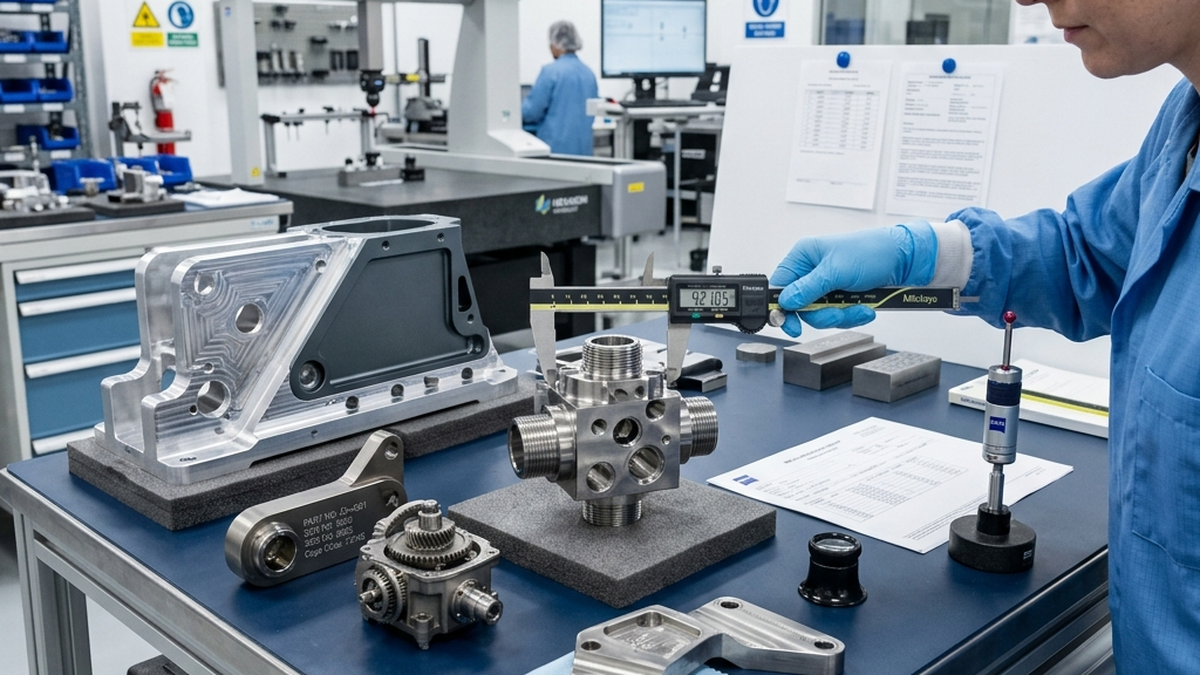
- Steel, all alloy and stainless steels
- Titanium, all grades
- Nickel alloys, Inconel, Hastelloy, Monel
- Zirconium and its alloys
Aluminum is generally exempt from DFARS specialty metals requirements. But always check your specific contract language. Some contracts add stricter rules.
Ask your machine shop for DFARS-compliant material certifications before work starts. The cert should show the country of melt and the country of manufacture. If it does not, the material may not qualify.
Common Mil-Spec Materials
Military specifications define exact material requirements. These specs control chemistry, heat treatment, testing and documentation. Here are the most common ones in defense machining.
| Material | Mil-Spec / AMS | Common Uses |
|---|---|---|
| 4130 Steel | MIL-S-6758 / AMS 6350 | Structural frames, mounts |
| 4340 Steel | MIL-S-5000 / AMS 6414 | High-stress shafts, gears |
| 7075-T6 Aluminum | QQ-A-250/12 / AMS 4078 | Aircraft structure, brackets |
| 2024-T3 Aluminum | QQ-A-250/4 / AMS 4037 | Fatigue-critical structures |
| Ti 6Al-4V | MIL-T-9047 / AMS 4911 | Lightweight high-stress parts |
| 15-5 PH Stainless | AMS 5659 | Corrosion-resistant hardware |
| Inconel 718 | AMS 5662 / AMS 5663 | High-temp engine components |
| A286 Stainless | AMS 5731 | Fasteners, turbine parts |
Certifications Your Shop Needs
Defense work requires more than a good machine shop. You need formal certifications that prove your quality system meets military standards.
- ITAR Registration, required for any defense article manufacturing
- AS9100D, the aerospace and defense quality management standard
- NADCAP, required for special processes like heat treat and NDT
- ISO 9001-aligned, baseline quality system (AS9100D includes this)
- NIST SP 800-171, cybersecurity requirements for CUI (Controlled Unclassified Information)
For more on AS9100D and NADCAP, see our Aerospace Machine Shop Guide.
Documentation Standards
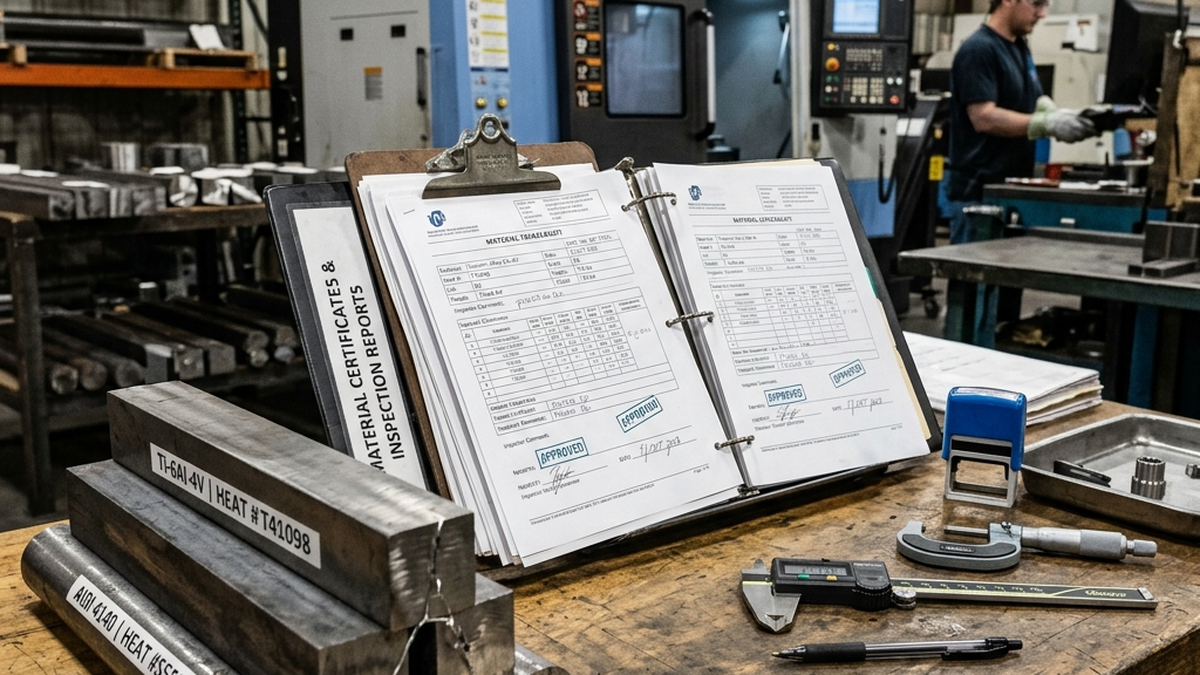
Defense documentation is extensive. Every part must have a paper trail from raw material to final inspection. Here is what a typical defense order requires.
- Certificate of Conformance referencing drawing, revision and contract number
- First Article Inspection per AS9102 (for new parts or process changes)
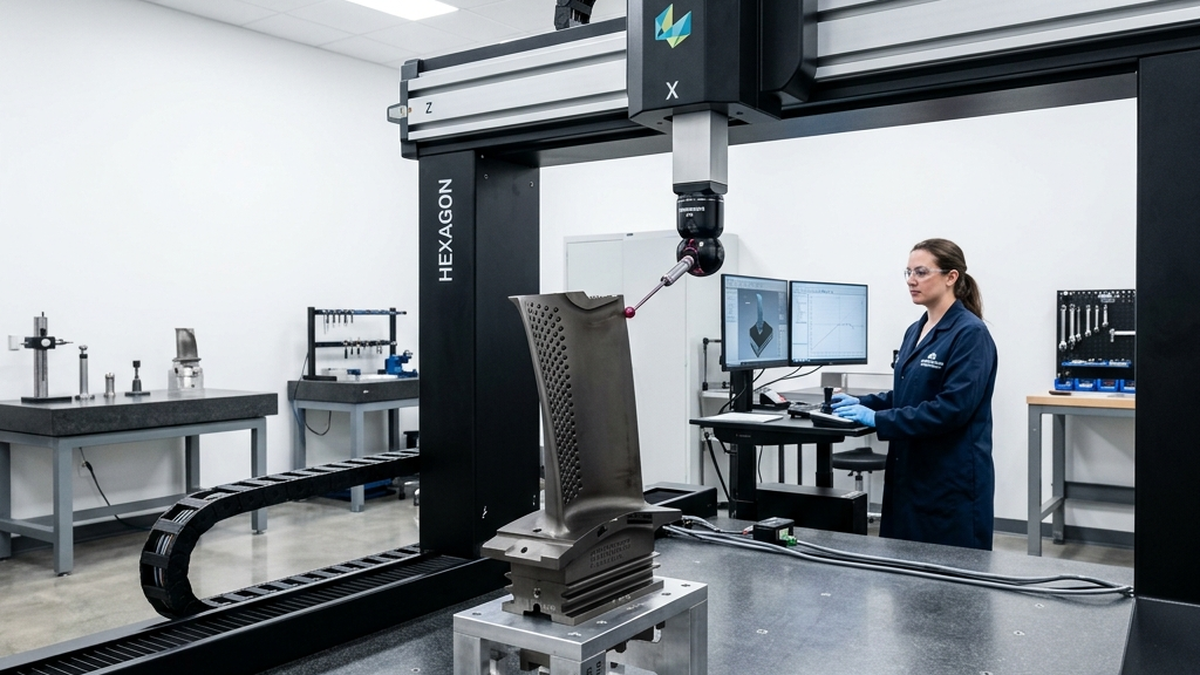
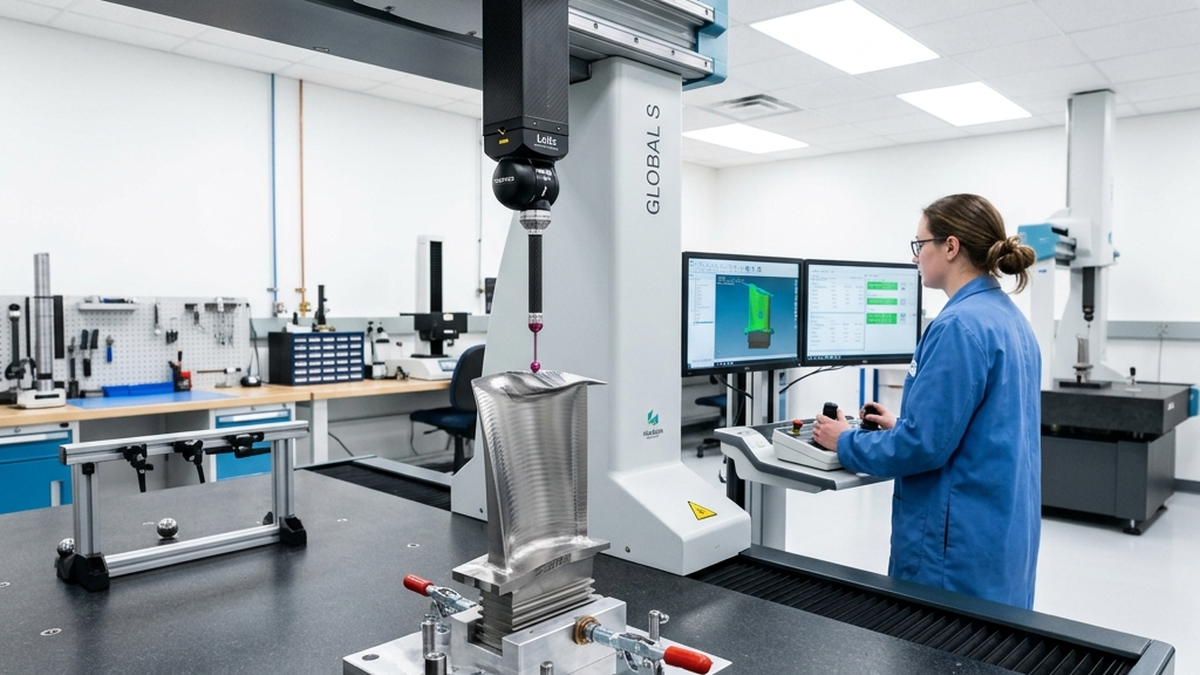
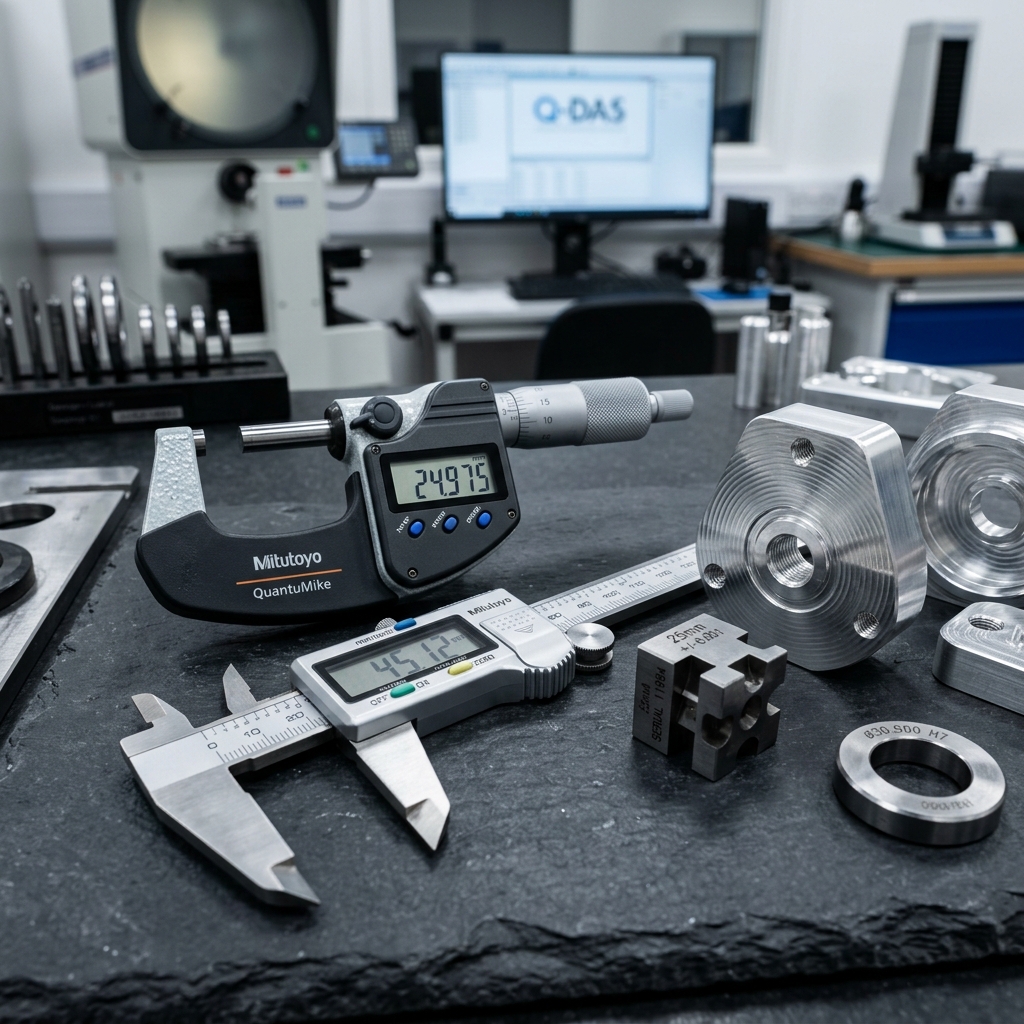
- Dimensional inspection report with all critical dimensions measured
- Material certification with heat number, chemistry and country of melt
- DFARS compliance statement for specialty metals
- Special process certifications (heat treat, plating, NDT)
- Lot traceability linking each part to its material lot
For a deeper look at inspection and quality, see our Inspection & Quality Handbook.
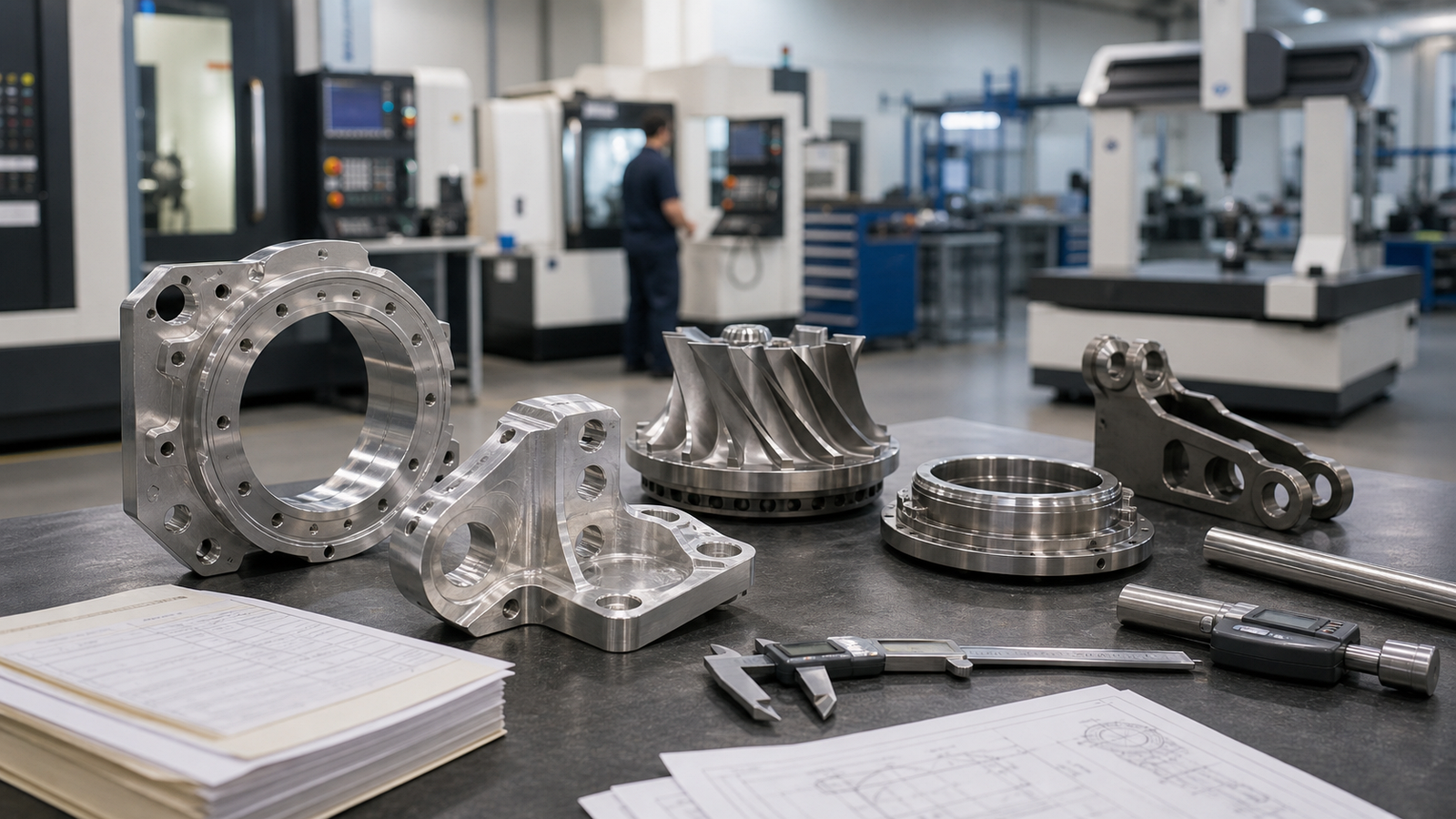
Common Defense Parts We Machine
- Weapon system housings, 7075-T6 aluminum, tight tolerances
- Optical mounts, 6061-T6 with hard anodize, precision bores
- Missile fin brackets, 4340 steel, heat treated, NADCAP NDT
- Turret components, 4130 steel, complex geometry
- Communication equipment housings, aluminum with EMI shielding features
- Vehicle armor mounting brackets, high-strength steel, heavy sections
- Sensor housings, 15-5 PH stainless, corrosion resistant
- Connector backshells, aluminum, precision threading
Cybersecurity: CMMC and NIST 800-171
Defense contracts now require cybersecurity compliance. If you handle CUI (Controlled Unclassified Information), you must meet NIST SP 800-171 requirements. CMMC (Cybersecurity Maturity Model Certification) is rolling out to verify compliance.
For machine shops, this means:
- Encrypted file storage for drawings and technical data
- Access controls limiting who can view defense files
- Multi-factor authentication on systems with CUI
- Incident response plan for data breaches
- Annual security assessments
Need ITAR-registered CNC machining? Upload your CAD file to RivCut. We handle defense work with full documentation and traceability.
Frequently Asked Questions
What is ITAR?
ITAR controls who can access defense technical data and hardware. Any shop making defense articles must be ITAR-registered with DDTC.
What is DFARS?
DFARS requires specialty metals in defense products to come from the US or qualifying countries. This applies to steel, titanium and nickel alloys.
What mil-spec materials are common?
4130 and 4340 steel, 7075-T6 and 2024-T3 aluminum, titanium 6Al-4V, 15-5 PH stainless and Inconel 718 are the most common.
What certifications do shops need?
ITAR registration is mandatory. AS9100D is strongly preferred. NADCAP may be needed for special processes. NIST 800-171 compliance is required for CUI.
What documentation is needed?
CoC, dimensional reports, material certs with heat lot and country of melt, FAI per AS9102, DFARS statements and special process certifications.