How Waterjet Cutting Works
A waterjet cutter uses a high-pressure stream of water mixed with abrasive garnet. The water pressure reaches 60,000 to 90,000 PSI. This stream cuts through almost any material.
Waterjet is a cold-cutting process. The material never gets hot. This means no heat-affected zone (HAZ), no warping and no changes to material properties.
- Cold process: No heat, no HAZ, no thermal distortion
- Cuts almost anything: Metal, glass, stone, composites, rubber
- Thickness range: Up to 8" or more on some materials
How Laser Cutting Works
A laser cutter uses a focused beam of light to melt, burn, or vaporize material. Modern fiber lasers deliver extremely precise cuts at high speed on thin metals.
Laser cutting is a thermal process. The material gets very hot at the cut zone. This creates a small heat-affected zone (HAZ) along the edge.
- Thermal process: Uses heat to cut, creates a small HAZ
- Very fast on thin metals: Up to 10x faster than waterjet on thin sheet
- Limited on thick material: Best under 1" for steel, 0.5" for aluminum
Material Compatibility
| Material | Waterjet | Laser |
|---|---|---|
| Mild Steel | Yes (any thickness) | Yes (up to ~1") |
| Stainless Steel | Yes | Yes (up to ~0.75") |
| Aluminum | Yes | Yes (up to ~0.5", reflective issues) |
| Titanium | Yes (preferred, no HAZ) | Yes, but HAZ can be a problem |
| Copper & Brass | Yes | Difficult (highly reflective) |
| Glass & Stone | Yes | No |
| Composites | Yes (no delamination) | Risk of delamination |
| Rubber & Foam | Yes | Some types only |
Copper and brass reflect laser light back into the optics, which can damage the machine. Waterjet handles reflective metals with no issues.
Thickness Limits
Waterjet handles thick materials much better than laser. It can cut 6-8" thick steel. Laser struggles above 1" on most metals.
| Material | Waterjet Max Thickness | Laser Max Thickness |
|---|---|---|
| Mild Steel | 8"+ | 1.0" |
| Stainless Steel | 6"+ | 0.75" |
| Aluminum | 6"+ | 0.50" |
| Titanium | 4"+ | 0.25" |
Edge Quality and Heat-Affected Zone
Waterjet produces a smooth, clean edge with no HAZ. The top of the cut is slightly smoother than the bottom due to the natural taper of the water stream.
Laser cuts are very clean on thin material. But as thickness increases, edge quality drops. The heat also creates a thin HAZ (0.002" to 0.020") that may affect hardness.
Many aerospace specs prohibit heat-affected zones on critical parts. If your part has a no-HAZ requirement, waterjet is the only option between these two.
Cost and Speed
Laser is faster and cheaper on thin sheet metal (under 0.25"). Waterjet is more cost-effective on thick materials and specialty materials.
| Factor | Waterjet | Laser |
|---|---|---|
| Cutting Speed (thin sheet) | Slow | Very fast (5-10x faster) |
| Cutting Speed (thick plate) | Moderate | Very slow or not possible |
| Operating Cost | Higher (abrasive garnet) | Lower (electricity + gas) |
| Setup Time | Minimal | Minimal |
| Kerf Width | 0.030" - 0.050" | 0.006" - 0.015" |
Tolerances
Both processes deliver good tolerances for cut profiles. Laser is tighter on thin material. Waterjet is more consistent across thick material.
- Waterjet: +/-0.003" to +/-0.010" typical
- Laser: +/-0.002" to +/-0.005" typical on thin sheet
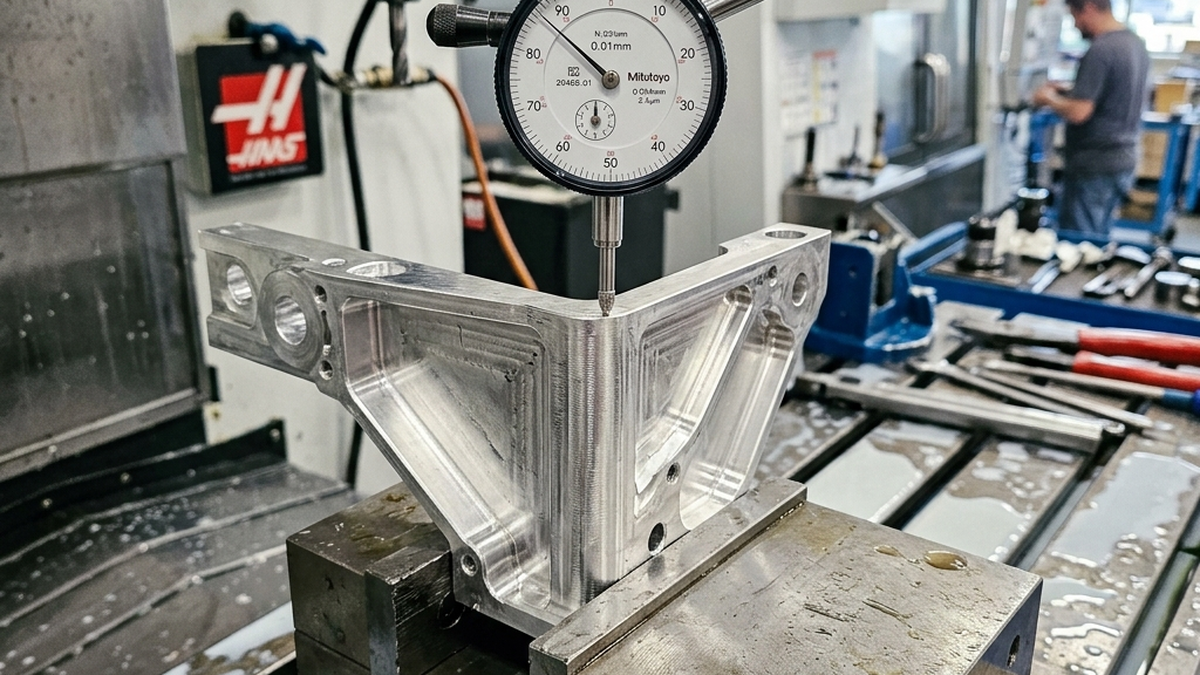
For tighter tolerances, CNC machining the cut edges is the standard approach. Many shops cut blanks with waterjet or laser, then CNC mill the critical features.
When to Use Each
Choose Waterjet When:
- Material is thick (over 0.5")
- No heat-affected zone is allowed
- Cutting glass, stone, composites, or reflective metals
- Material is heat-sensitive (titanium, hardened steel)
Choose Laser When:
- Material is thin sheet metal (under 0.25")
- You need high speed and volume
- Tight tolerances on thin profiles
- Cutting mild steel, stainless, or carbon steel
At RivCut, we can help you decide which cutting method works best for your project. Upload your file and our team will recommend the right approach.
Frequently Asked Questions
Which is more accurate, waterjet or laser?
Laser is more accurate on thin sheet metal. Waterjet is more consistent on thick material. Both deliver +/-0.005" or better in most cases.
Can waterjet cut metal?
Yes. Waterjet cuts almost any metal, including steel, aluminum, titanium, copper and brass. It handles thick metals better than laser.
Does laser cutting weaken metal?
The heat-affected zone can change the hardness of the edge by 0.002" to 0.020" deep. For most parts this does not matter. For aerospace or fatigue-critical parts, it can be an issue.
Which is cheaper for sheet metal cutting?
Laser is cheaper for thin sheet metal (under 0.25"). Waterjet is cheaper for thick plate and specialty materials. The break-even is around 0.25" to 0.5" thickness.
Can I use waterjet or laser instead of CNC milling?
For 2D profiles, yes. For 3D features like pockets, holes at angles, or tight-tolerance bores, you need CNC milling after cutting the blank.